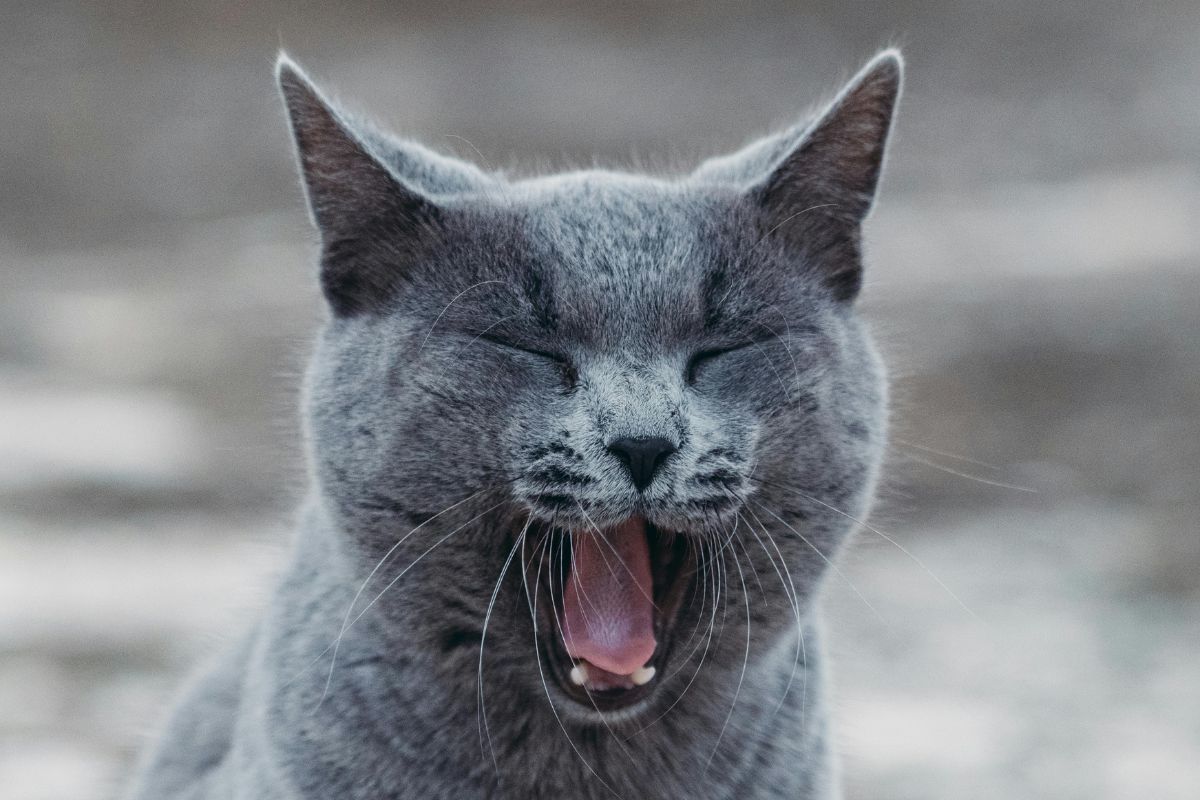
A single sneeze from a cat is cute. Twenty sneezes in a row? That’s a symptom. But when that sneezing fits alongside a cat that hasn’t touched their food in twenty-four hours, the “cute” factor vanishes. You’re looking at a biological emergency.
The vast majority of pet owners fall into the trap of waiting for “the cold” to run its course. They think, “I may wait until tomorrow.” In feline medicine, that additional day can determine whether a cat receives a course of antibiotics or spends a week in an oxygen cage. Why? They do this because, as you may have guessed, cats have a metabolic “tripwire.” Their liver starts to fail immediately as soon as they stop eating. This isn’t hyperbole. It’s feline physiology. ‘Why does my cat sneeze so much and not eat?‘ is the most urgent question a pet owner can ask in 2026.
The Fast Facts: Sneezing, Fasting, and Feline Health
- The Main Danger: Cats rely on smell to trigger their appetite. Congestion = No Smell = No Eating.
- The Liver Risk: Feline hepatic lipidosis (fatty liver) can begin within 24–48 hours of fasting.
- Top Causes: Feline Herpesvirus (FHV-1), Calicivirus, or dental abscesses.
- Immediate Action: If your cat is open-mouth breathing or hasn’t eaten in 24 hours, see a vet.
- Home Comfort: Use a “sauna” treatment (steamy bathroom) and offer high-aroma foods like warmed sardines.
The Deadly Link: Congestion and the Hunger Switch
Here’s something most people don’t realize: a cat’s tongue is almost secondary to their nose when it comes to eating. They are “olfactory eaters”. It has a sense of smell around fourteen times better than ours.
During a flare of either an Upper Respiratory Infection (URI), or what is commonly referred to as “Cat Flu,” the nasal passages become obstructed with thick, inflammatory mucus.
The result? The cat sees the food and registers it as food, but their brain cannot relay the signal that says “Eat Now” since scent molecules cannot reach the receptors. It’s like trying to taste a meal while holding your nose and having a high fever. But for cats, it can cause a life-threatening condition known as hepatic lipidosis.
According to the Cornell Feline Health Center, cats are special. Their bodies are not really good at using stored fat for energy. Jaundice occurs when the liver becomes flooded with fat when the cat stops eating, leading it to swell and turn yellow. When you notice yellow skin, literally the cat is in a near-death condition. And that is why “waiting it out” really IS a risky game.
Identifying the Root Cause: The Usual Suspects
1. The Viral Heavy-Hitters (FHV-1 and Calicivirus)
Feline herpesvirus is found in about 90% of cats worldwide. It resides in the nerve cells in a latent state. Then stress happens: a new baby, a relocation to a new apartment in Dubai or just some construction going on right next door. In this state, the virus basically wakes up, moves through the nerves, and then explodes in the cat’s nasal lining. The sneezing comes next, the runny nose, and then the loss of appetite.
2. The Dental “Sneezing” Trap
It is this that surprises everybody. A cat’s upper premolars’ roots are just millimeters from their sinus floor. We have encountered a cat that underwent months of treatment for “allergies” before discovering that a rotten tooth had been poking into the sinus. The cat sneezes all the time, and chewing food becomes so painful that it finally just stops eating.
3. Environmental Irritants in the Modern Home
By 2026, our houses are tighter and more “energy-efficient” than ever, which makes for the perfect breeding ground for irritants that we keep trapped indoors.
- Scented Litters: While the “fresh pine” scent might smell good to you, it’s a respiratory nightmare for a cat.
- Aerosols: Plug-in air fresheners are a top trigger for feline asthma and chronic rhinitis.
- Micro-Dust: This can be like construction dust or even high-pollen counts in heavily trafficked urban center area.
When to Go to the Emergency Room (The “Red Line”)
We don’t mean to frighten you, but a sick cat and a dying cat are two very different conditions that can be identified by the owner. If you see any of these, put your cat in its carrier and take it to the vet.
- Open-mouthed breathing: Cats are obligate nasal breathers. When a cat is breathing through its mouth, looking like a panting dog (open-mouthed), it means that the poor little furry creature really has quite a bit of work to do to get oxygen into its lungs – this is the worst situation possible and will be considered an absolute emergency.
- The “Hiding” Behavior: If a cat, who usually loves human company, is suddenly living at the back of a dark cupboard, it’s conserving whatever energy it has left.
- A visible third eyelid: if you notice that half of the eyeball is covered with a whitish membrane, your cat is very dehydrated and likely has a high fever.
- Being unbelievably inactive: if shaking a bag of treats doesn’t even make your cat stir, its blood sugar has almost certainly fallen to a dangerous level.
Treatment Trends: What Vets are Doing in April 2026
The days of “here are some pills, good luck” are over. Feline medicine has become much more sophisticated and humanized.
- Transdermal Appetite Stimulants: Vets are now using drugs like Capromorelin or Mirtazapine in a gel form. You just rub a tiny dab on the inside of the cat’s ear. It absorbs through the skin and triggers the hunger center in the brain within thirty minutes. No more “pilling” a cat that’s already struggling to breathe.
- Nebulization and Saline Flushes: In the clinic, we use professional-grade nebulizers to deliver medicine directly into the lungs. At home, you can mimic this technique. Turn your bathroom into a steam room. Let the hot water run for ten minutes. Sit with your cat in the steam. If you see a “snot rocket”, that’s a win. It means the mucus is thinning out.
- Hydration Support: If a cat isn’t eating, they aren’t drinking either. Most vets will now administer “Sub-Q” (subcutaneous) fluids—a pocket of hydration under the skin—to buy the cat 24 hours of safety while the medications kick in.
The “Stinkier is Better” Nutritional Strategy
If your vet says it’s okay to try home care for a night, you have to become a gourmet chef for a very picky, very sick animal.
- The Tuna Trick: Use canned tuna in water (not oil, and no salt). The smell is incredibly pungent and can sometimes bypass a stuffed-up nose.
- Warming the Food: Put wet food in the microwave for exactly seven seconds. It releases the fats and aromas.
- Baby Food: Believe it or not, plain “Stage 1” chicken or turkey baby food (with NO onion or garlic powder) is a miracle worker for sick cats. It’s smooth, easy to swallow, and high in protein.
FAQ: Common Feline Respiratory Questions
Can my cat give me their cold?
No. Humans and cats generally don’t swap respiratory viruses. Your “cat flu” stays with the cat.
Is it okay to use human nasal spray?
NEVER. Many human medications contain phenylephrine or xylometazoline, which can cause fatal heart arrhythmias in cats.
Why is my cat sneezing so much and not eating after a move?
Acute stress is the number one trigger for Feline Herpesvirus. The move puts the body into immune suppression, sparking the resurgence of a dormant virus.
How long can a cat go without food before liver damage?
It can begin as early as 24 hours in some overweight cats. You may have 48 hours in lean cats. Still, it is a medical emergency.
What if my cat is sneezing blood?
This usually indicates a foreign body (like a blade of grass) or a nasal polyp. It requires a vet to look up the nose with a scope.
Cat Health Symptom Guide (2026)
| Symptom Combination | Likely Cause | Action |
|---|---|---|
| Sneezing + Eating Well | Allergies / Dust | Monitor; change litter |
| Sneezing + Clear Eyes | Early Viral Infection | Steam therapy; monitor |
| Why does my cat sneeze so much and not eating | Advanced URI / Dental Abscess | See Vet within 24 hours |
| Sneezing + Yellow Snot + Hiding | Bacterial Secondary Infection | Emergency Vet Visit |
Anyway, look. We know the experience of having your cat in pain is the most terrible thing in the world. However, just the fact that you are seeking answers means you’re already ahead of the curve. Go check that food bowl. Call the clinic if it hasn’t moved. Truthfully, it’s better to feel silly for a “false alarm” than to wait until your cat is in the ICU. Cats are small, and their margin for error is thin. Take care of them.
Sources & References
- Cornell Feline Health Center: Understanding Respiratory Infections and the Risk of Feline Herpesvirus
- VCA Animal Hospitals: How to Recognize Subtle Signs of Illness in Cats (Loss of Appetite)
- PetMD Medical Library: Why Cats Sneeze: Common Causes and When to See a Veterinarian
- Sacramento Cat Hospital: Clinical Guide: Why Is My Cat Sneezing So Much?
- Purina Health Research: Feline Upper Respiratory Infections: Symptoms and 2026 Treatment Updates
- Montgomery Animal Hospital: Emergency Signs: Sneezing and Lethargy in Domestic Cats
Disclaimer: This guide is for informational purposes and follows the latest 2026 veterinary guidelines. However, every cat is an individual. If your pet hasn’t eaten in 24 hours, skip the internet research and contact your local emergency vet or a credentialed professional immediately.
Recommended