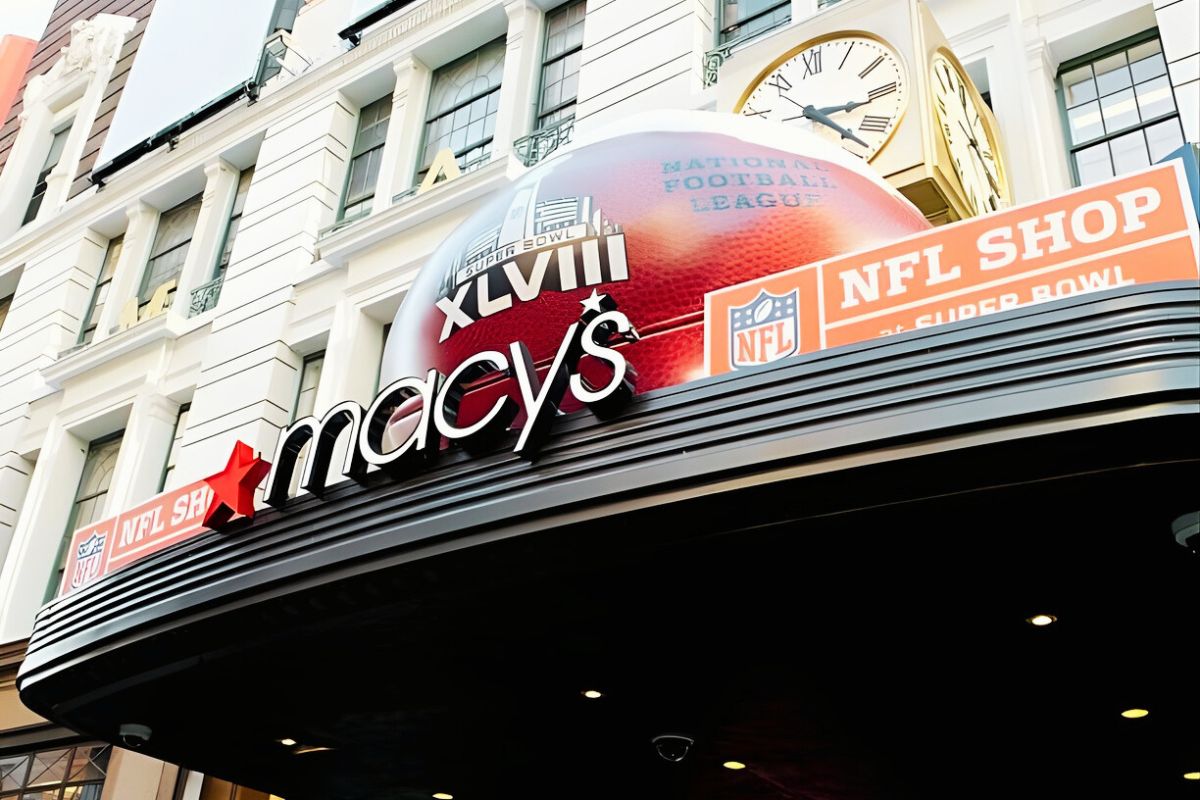
I recall walking through the Herald Square flagship in Manhattan roughly a decade ago. The air was heavy with expensive perfume and old-school ambition. It was a cathedral of consumerism. But lately, when I enter my local mall in the suburbs, the atmosphere is… off. It’s quieter. The lighting seems a little weary. If you’ve experienced that same feeling of nostalgia with a dash of “where is everybody?” while passing a department store, you’re kind of seeing the end of what’s really a very long play.
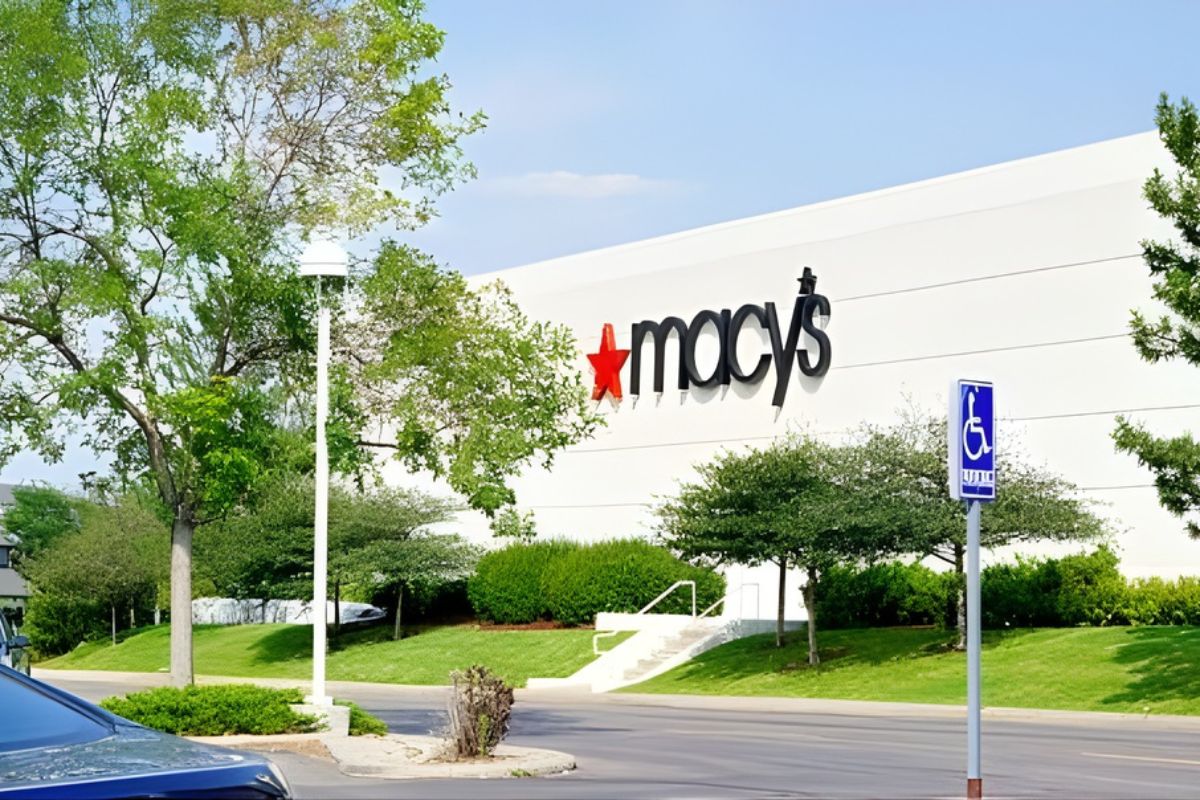
Even now, in March 2026, we are witnessing the culmination of a great survival plan. This isn’t simply about a brand becoming unfashionable. It’s about a corporation trying to save its soul by amputating its limbs. The iconic retailer Macy’s store closures aren’t simply a corporate scorecard; they’re a road map of how American shopping has changed for good. Honestly, I’ve followed retail trends for years and never seen a giant attempt to pivot this rapidly in dodging the iceberg.
Anyway, if you’re wondering if your local spot is on the chopping block, you’re in the right place. We’re going to look at what’s actually happening on the ground, who’s shutting down, and why the “big box” dream is shrinking into something much smaller.
Iconic Retailer Macy’s Store Closures: Which Locations Will Shut Down in 2026?
Let’s get straight to the “hit list” because I know that’s why most of you are here. By the time fiscal 2026 wraps up, Macy’s wants to be down to just about 350 “Go-Forward” locations. That’s a huge drop from where they were just five years ago.
Read Also: Why Your Golden Eagle Might Cost More: The Truth About Dutch Bros the Tariff Trap
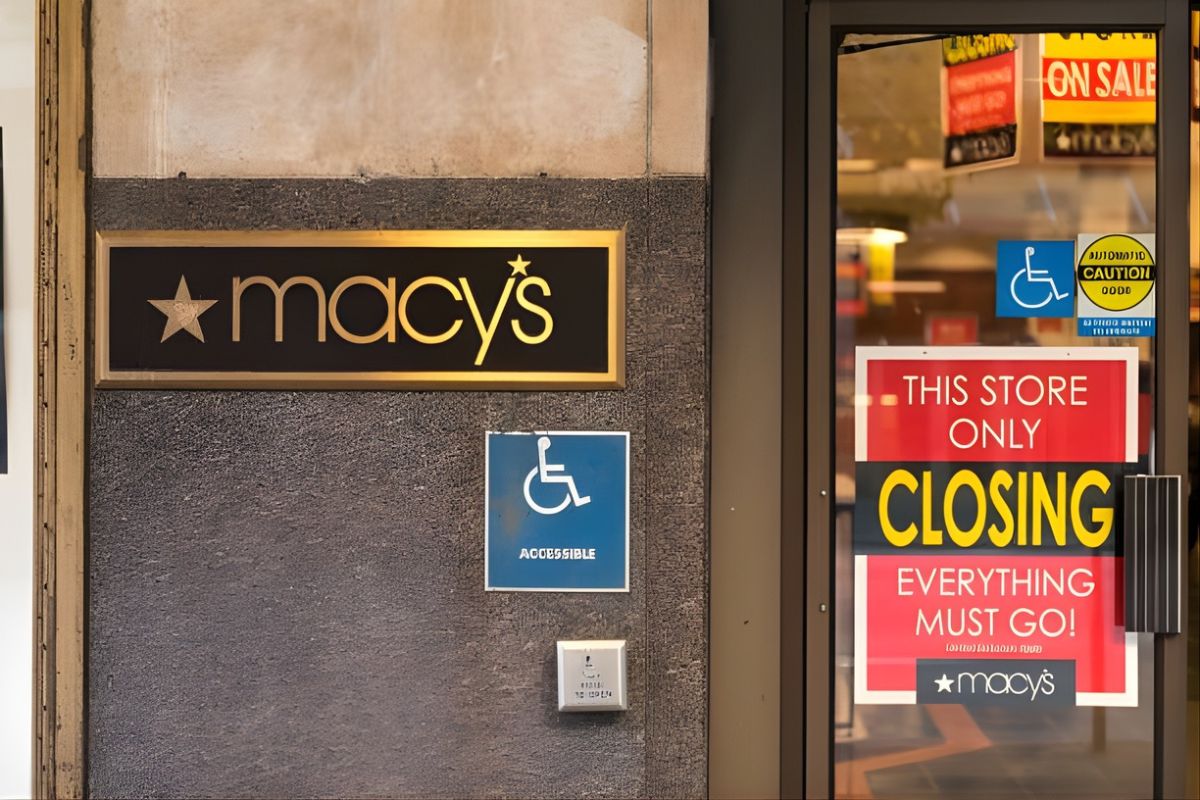
So, who’s getting the pink slip this year? In the first half of 2026 alone, fourteen more locations are shutting their doors for good. The clearance sales for most of these started back in January, so if you’re looking for a deal, the clock is ticking. Here is the latest confirmed list:
| State | City | Shopping Center/Mall |
|---|---|---|
| California | La Mesa | Grossmont Center |
| California | Tracy | West Valley Mall |
| Georgia | Atlanta | Northlake Mall |
| Maryland | Glen Burnie | Marley Station |
| Michigan | Grandville | RiverTown Crossings |
| Minnesota | St. Cloud | Crossroads Center |
| New Hampshire | Newington | Mall at Fox Run |
| New Jersey | Livingston | Livingston Mall |
| New Jersey | Ramsey | Interstate Shopping Center |
| New York | Amherst | Boulevard Mall |
| North Carolina | Raleigh | Triangle Town Center |
| Pennsylvania | Tarentum | Galleria at Pittsburgh Mills |
| Texas | Corpus Christi | La Palmera |
| Washington | Tukwila | Budget House Clearance |
Looking at this list, you can see a pattern. They aren’t closing the glitzy stores in the centers of the world’s most famous cities. They’re leaving the “B” and “C” malls—the places where the fountains haven’t worked in years and the food court is mostly empty tables. According to a report by Retail Dive, the company is focusing its resources on “A” malls where the foot traffic is still actually worth the rent.
The “Bold New Chapter” Is More Than Just a Catchphrase
Macy’s CEO Tony Spring has been calling this “A Bold New Chapter.” Personally, I think it sounds a bit like a PR way to say “we’re in trouble,” but there’s actual logic behind it. They aren’t just closing stores to save money on electricity. They’re doing it because they realize that the giant, 200,000-square-foot department store model is a relic of the 90s.
By the end of this year, they’ll have shuttered roughly 150 stores in total. But the crazy part is what they’re doing with the money they save. They’re pouring millions into the remaining 350 stores. They’re calling it the “Reimagine 125” plan. If you go into one of these lucky locations, you’ll see better lighting, more staff on the floor, and inventory that actually makes sense for 2026.
It’s a “shrink to grow” strategy. If you’ve ever pruned a rose bush to make it bloom bigger, you get the idea. But for the people in places like Tarentum, PA, or Glen Burnie, MD, it just feels like losing a piece of their community.
Why Small Is the New Big
The part that really interests me is the “Small Format” pivot. While they’re boarding up the massive mall anchors, they’re opening up these tiny, 30,000-square-foot shops in suburban strip malls. They call them Macy’s Small Format stores.
Why? Because you and I do not want to stroll up three levels of a mall and a parking garage just to get the first thing we need: another pair of jeans. We want to park in front of the door, pick up what we need, and head home. According to Macy’s Inc. Newsroom, these smaller stores are performing way better than the old-school anchors. They’re curated. They’re fast. They’re convenient. It is Macy’s finally conceding that they have to behave less like a giant warehouse and more like your neighborhood boutique.
The Real Estate Secret
Read Also: How to Calculate Profit Margin for Small Businesses
Here’s a bit of “inside baseball” for you. Sometimes, a Macy’s store closes not because nobody is buying shirts, but because the land is worth more than the clothes.
Macy’s owns some of the most valuable real estate in the country. In many cases, it makes more financial sense to sell the building to a developer who wants to turn it into luxury apartments or a tech hub than it does to keep selling housewares. As Axios has pointed out in their coverage of the “retail apocalypse,” these companies are becoming real estate firms as much as they are retailers. It’s cold, hard math.
Luxury Is the Only Safe Bet
The final piece of this puzzle is Bloomingdale’s and Bluemercury. While the middle-class Macy’s brand is struggling, the high-end luxury side is doing just fine. The wealthy are still spending, and Macy’s is leaning into that. They’re opening more Bluemercury locations and focusing on the premium shopping experience.
It tells you a lot about the economy in 2026. The middle ground is disappearing. You’re either a luxury destination or you’re a discount bin. Trying to be everything to everyone in the middle is how you end up on a closure list.
Questions You Might Be Asking
Will my Macy’s credit card still work if my store closes?
Yeah, of course. Your card works at any Macy’s location and on their website. The closures don’t affect the credit side of the business.
What happens to the employees when a store shuts down?
Macy’s usually offers transfers to nearby locations for some staff, but for many, it leads to layoffs. They typically offer severance packages based on years of service, but it’s still a rough blow to local economies.
Is Macy’s going out of business entirely?
No. They’re actually doing this to prevent that. By cutting the stores that lose money, they hope to make the remaining company much stronger and more profitable.
Are the prices better during the closing sales?
Definitely. The liquidation sales usually start around 20% off and can go as high as 80% or 90% in the final days. Just don’t expect to find the best stuff if you wait until the very end.
Looking Ahead
It’s a strange world to contemplate, one in which the “Macy’s Thanksgiving Day Parade” takes place but where your local mall no longer has the store. But that’s where we’re headed. The iconic retailer Macy’s store closures are a sign of a world where we shop from our couches and want everything delivered in two days.
Personally, I will miss the sensation of wandering through the aisles on a Saturday afternoon, but I get it. The world moves on. The question is whether Macy’s can do it fast enough to keep pace. Or are those 150 closures only the first of a much longer goodbye?
But anyway, I’m going to my local one this weekend just to see what’s still there. Might as well pick up a pair of boots before the doors close for good, right?
What about you? Is your local mall still holding on, or has it become a ghost town?
Sources & References:
- Macy’s Inc. Investor Relations – Official corporate strategy and financial reports.
- Kiplinger Consumer News—Tracking retail trends and closure lists for 2024-2026.
- Retail Dive Analysis—Deep dives into the shift toward small-format retail.
- Axios Business Report—Investigations into mall real estate values and department store health.
Recommended