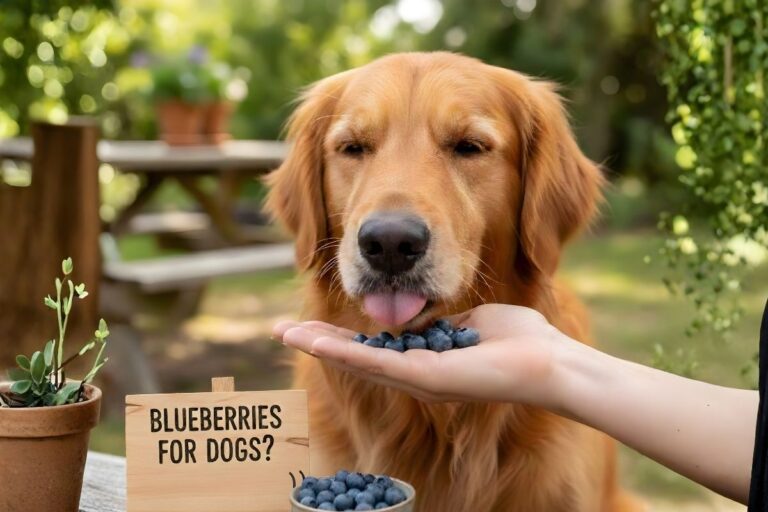
Honestly, there is nothing quite like the panic of watching your dog struggle in the backyard at 6 AM. You’re standing there in your bathrobe, coffee getting cold, watching them circle and squat for the fifth time with zero results. It’s stressful. Your mind goes straight to “Is this an obstruction?” or “How much is the emergency vet going to soak me for this time?”
Before you load them into the car, take a look in your fridge. Specifically, look for those little blue “superfoods” sitting in the crisper. Are blueberries good for dogs with constipation? Yeah, they actually are. But—and this is a big “but”—you’ve got to do it right, or you’ll end up with a much messier problem on your hands.
The Science of the “Stuck” Pup
I’ve covered pet health for more than a decade, and I’ve watched trends come and go. Remember when everybody was all excited about kale for dogs? Yeah, that did not turn out well for most carpets. But blueberries have remained in vogue because the biology actually checks out.
When a dog is cooped up, their colon essentially works overtime to extract every last drop of moisture from their excrement. The result? The result is pebble-hard, immobile stools. Blueberries are about 85% water. Consider them miniature, chewable hydration packs. When they encounter the digestive tract, they return some of that moisture back to where it belongs.
Then there’s the fiber. It isn’t just “fiber”—it’s a specific mix. There’s the insoluble stuff that sort of serves as a mild scrub brush for the intestinal walls and dissolves into a gel-like substance, aiding in helping things slide along. (Indeed, a 2025 study (by the Universitat Autònoma de Barcelona, published in Animals) actually demonstrated that dogs will find these berries highly palatable: they’ll eat the little “medicines” without your having to hide them in a glob of peanut butter.
The 2026 Reality Check: What’s New?
The world of veterinary medicine moves fast. As of March 2026, the American Kennel Club (AKC) has updated its stance to highlight not just the fiber but also the prebiotic benefits. We’re finding out that blueberries actually “feed” the good bacteria in a dog’s gut. Why does that matter for constipation? Because a healthy microbiome produces the short-chain fatty acids that keep the colon moving.

But look, don’t get it twisted. You can’t just replace a meal with a bowl of fruit. I see people on TikTok doing these “fruit hauls” for their Goldendoodles, and it drives me nuts. Purina’s latest nutrition guides are very clear: stick to the 10% rule. Treats should be a tiny fraction of the day. If you overdo the berries, the high sugar and fiber will give your dog a “blowout,” and trust me, you’d rather deal with a slightly constipated dog than a dog with a blueberry-induced stomach flu.
Read Also: Animals That Put Olympic Athletes to Shame
Here is a quick breakdown of what a safe “snack” looks like based on your dog’s size:
| Dog Size (Weight) | Recommended Daily Amount | Best Preparation Method |
|---|---|---|
| Toy / Tiny (Under 10 lbs) | 1–2 berries | Always mashed or sliced |
| Small (10–20 lbs) | 3–5 berries | Mashed to avoid choking |
| Medium (20–50 lbs) | 5–8 berries | Whole or frozen is usually fine |
| Large/Giant (Over 50 lbs) | 10–12 berries | Fresh is best for digestion |
How Much is Too Much?
The “dosage” is where most people mess up. A Great Dane and a Chihuahua are playing two different games here.
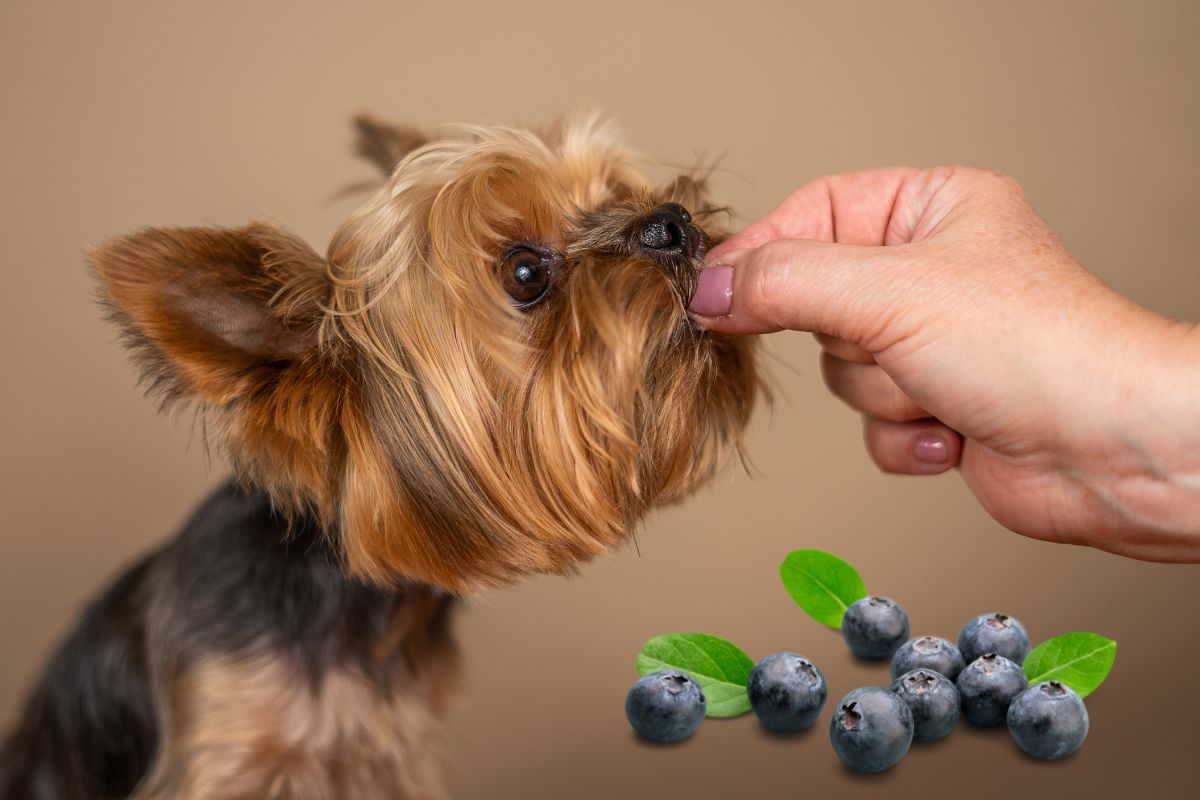
- The Little Guys (under 20 lbs): Keep it to 2 or 3 berries. Seriously. And for heaven’s sake, mash them up. A frozen blueberry is basically a blue marble, and I’ve seen plenty of small dogs choke on them.
- The Mid-Sized Crew (20-50 lbs): You can probably go up to 5 or 6.
- The Big Dogs (50+ lbs): They can handle about 10.
If your dog is a “gulper”—the kind that doesn’t even chew—cut them in half. It takes two seconds and saves you a trip to the ER.
The Red Flags (Xylitol and Other Nasties)
Here’s the thing that keeps me up at night: human “blueberry” snacks. If you’re thinking about sharing your blueberry muffin or a spoonful of your yogurt, stop.
Many processed “sugar-free” foods now contain Xylitol. It’s often listed as “birch sugar” on labels now to sound more natural. It’s a stone-cold killer for dogs. It causes a massive insulin spike that can lead to liver failure in hours. Plus, the fat content in a muffin can trigger pancreatitis. Stick to the raw, washed fruit. If it came out of a plastic bag or a bakery box, keep it away from the dog.
The “Morning Light” Trick
Here is a weird bit of advice you won’t find in most textbooks, but I’ve seen it work wonders. In the pet wellness community, we’ve been talking a lot lately about “circadian digestion.”

If you give your dog those few blueberries and then immediately take them out for a walk in the bright morning sun, you’re doubling your chances of success. The movement of the walk (the “gastric trot”) combined with the sunlight helps reset their internal clock and gets the bowels moving. It’s a “biological nudge” that works better than any supplement.
Read Also: How Long Your Teddy Bear Cat’s Gonna Be Around (Spoiler: It’Complicated)
A Quick Word on Kidney Stones
One quick disclaimer: Blueberries have oxalates. If your dog has a history of calcium oxalate stones in their bladder or kidneys, blueberries might not be the move. Houndsy Pet Guides and other veterinary resources suggest checking with your vet if your dog has a “delicate” urinary system. For 99% of dogs, it’s fine, but better safe than sorry.
FAQ: The Stuff People Actually Ask
Will blueberries make my dog’s poop blue?
Sometimes, yeah. Don’t freak out. It’s just the anthocyanins (the stuff that makes them blue) doing their thing.
Can I use the frozen ones?
Sure, they’re like little popsicles. Just watch for the choking hazard I mentioned earlier.
What if the blueberries don’t work?
If your dog hasn’t gone in 48 hours, or if they’re vomiting or acting like they’re in pain, the “home remedy” phase is over. Call the vet. It could be an impaction.
Are blueberries better than pumpkin?
Pumpkin is great, but it’s mostly fiber. Blueberries give you fiber plus that 85% water content. I usually suggest a mix if the dog is really struggling.
The Wrap Up
So, are those little blue berries the secret to a happy gut? Mostly, yeah. They’re a sensible, research-supported method for helping a “stuck” pup without resorting to strong chemicals. Just be sure to keep the portions paltry, wash them as if you’re sprucing them up for royalty, and try not to wear your best white top while you’re squishing them all together.
Has your dog ever sampled some, or is it one of those strange beasts that eats only what smells like an old sock?
Sources & References
- American Kennel Club (AKC): Can Dogs Eat Blueberries?
- MDPI Animals Journal (2025 Study): Palatability and Digestibility of Fruits in Canines
- Purina Care & Advice: Canine Nutrition and Digestive Health
- Houndsy Pet Guides: Safe Fruits and Vegetables for Dogs
Recommended