You’re standing on the first tee at Bethpage Black. There’s a sign staring you in the face. It says the course is highly difficult and only for “highly skilled golfers.” It isn’t a suggestion. It’s a warning. Your palms are sweaty. You look at the narrow ribbon of fairway hemmed in by thick, matted rough. Suddenly, that 12-handicap you’ve been bragging about feels like a total lie.
Most people play golf to relax. But a certain breed of player seeks out the toughest golf courses in the world just to see if they’ll break. I’ve spent twenty years walking these fairways. I’ve seen grown men, CEOs of Fortune 500 companies, nearly reduced to tears by a bad bounce at Oakmont. I’ve felt the North Sea wind at Carnoustie rip a perfectly struck seven-iron forty yards off line. It’s a beautiful, twisted form of masochism. These courses don’t care about your feelings. They don’t care about your new $600 driver. They’re designed to find your weakness and hammer it until you give up.
So, what makes a course a monster? It isn’t just the length. It’s the slope, the green speeds, and the psychological pressure. In early February 2026, as we look toward the upcoming season, the benchmarks for difficulty are higher than they’ve ever been. Let’s talk about the places that haunt a golfer’s dreams.
At a Glance: The World’s Most Punishing Layouts
The numbers below represent the peak difficulty for each course. Keep in mind that “Slope” measures how much harder a course is for an amateur compared to a pro, with 155 being the official USGA ceiling.
| Course Name | Location | Max Slope Rating | Primary “Killer” Factor | Famous Major Hosted |
|---|---|---|---|---|
| Pine Valley | New Jersey, USA | 155 | Forced Carries / No Bailouts | N/A (Private) |
| Bethpage Black | New York, USA | 155 | Massive Bunkers / Length | 2025 Ryder Cup |
| The Ocean Course | S. Carolina, USA | 155 | Coastal Winds / Elevation | 2021 PGA Champ. |
| Carnoustie | Angus, Scotland | 145+ | The Barry Burn / Deep Rough | The Open (8x) |
| Ko’olau | Oahu, Hawaii | 162* | Tropical Jungle / Ravines | N/A |
| Oakmont | Pennsylvania, USA | 147 | Lightning Greens / Church Pews | U.S. Open (9x) |
| Jade Dragon | Yunnan, China | 140+ | 8,500+ Yards / High Altitude | N/A |
| Whistling Straits | Wisconsin, USA | 152 | 1,000+ Bunkers / Lake Wind | 2021 Ryder Cup |
| Shinnecock Hills | New York, USA | 149 | Baked Greens / No Trees | 2026 U.S. Open |
| TPC Sawgrass | Florida, USA | 155 | Visual Deception / Water | The Players |
Unofficial rating: USGA cap is 155.
The “Penal” Giants: Where Mistakes Go to Die
Pine Valley (New Jersey, USA)
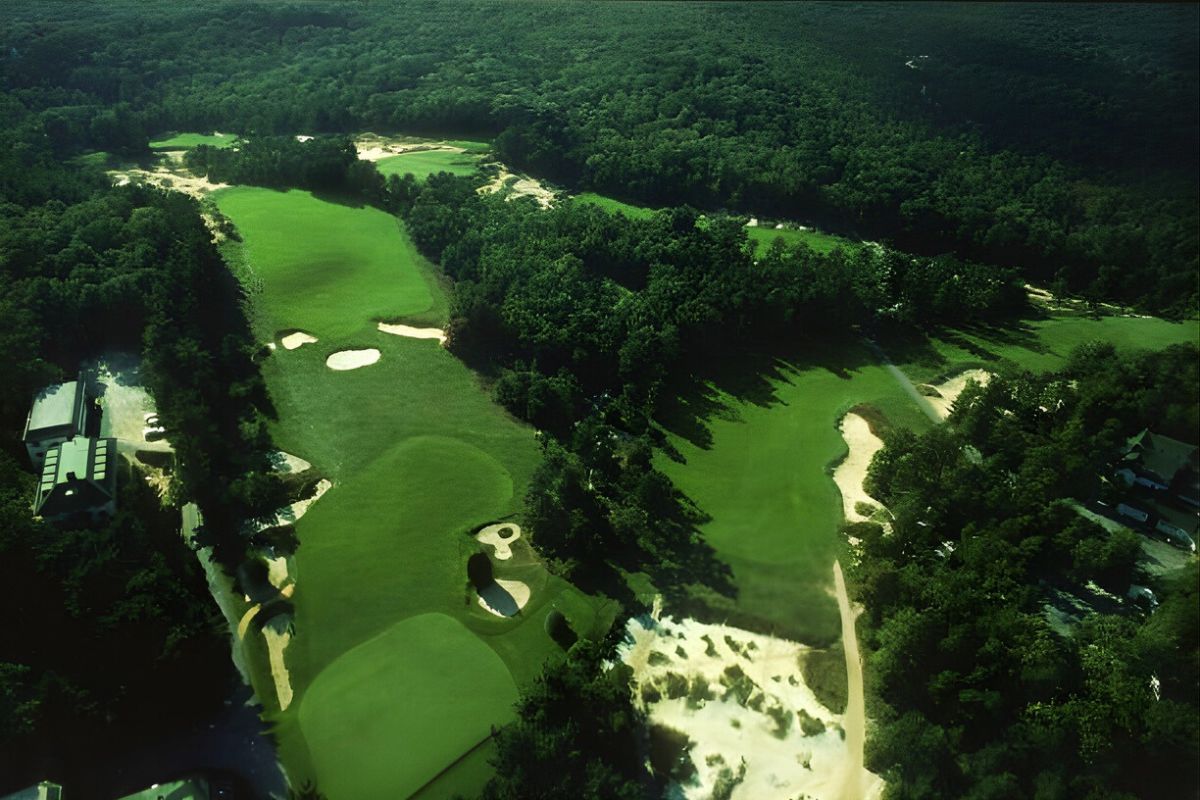
Look, there’s a reason Pine Valley is usually hidden away behind a wall of secrecy and “member-only” exclusivity. It’s arguably the most intimidating patch of dirt in America. The design philosophy here is simple: hit the grass or suffer. There’s no “light rough” to save you. If you miss the fairway, you aren’t in the rough.
You’re standing in unraked sand, tangled mountain laurel, or scrub oak. It’s got a 155 slope rating, which is the legal limit, but honestly, it feels like a 200. I once put a ball into the “Devil’s Asshole” bunker on the par-3 10th. It’s a tiny, vertical pit of despair. I spent three shots just trying to see the horizon again. It’s a masterpiece of architecture, but it’s a total mental grind.
Bethpage Black (New York, USA)
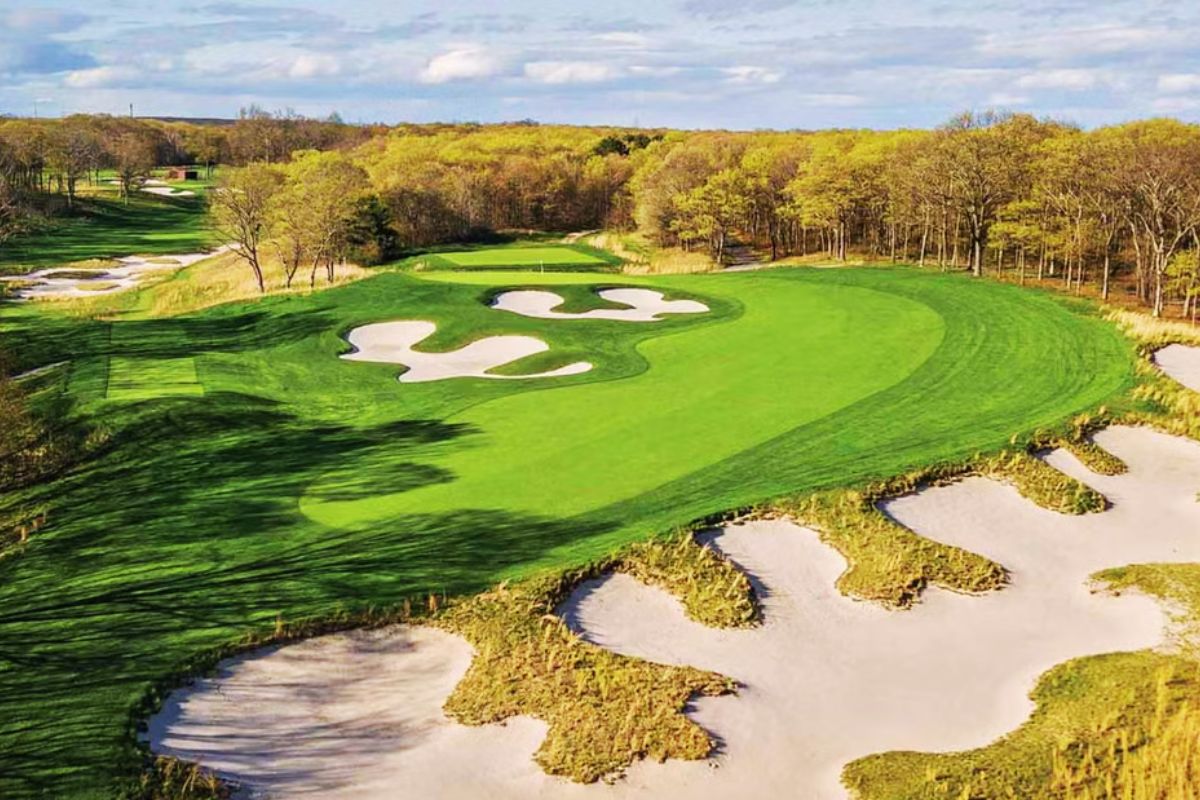
Most people who play Bethpage Black are familiar with that warning sign by the first tee, a notice that tells you pretty much exactly what’s coming. At the beginning is a sign that says the course is extremely challenging, and this time, the sign is not exaggerating. The place has a reputation for a reason. It’s long and heavy, oppressive from the first swing.
The major tournaments keep returning here, the U.S. Open and the 2025 Ryder Cup among them, and the challenge never really changes.
Fairways are lean, and the rough is thick enough to punish all but the smallest miss; drives require actual power, not just accuracy. Some holes require long carries just to reach the safety of solid ground. By the time players ascend to the last green, their legs are crushed, and confidence has likely taken a beating. It’s the type of course that checks your body and your ego simultaneously.
Carnoustie (Angus, Scotland)
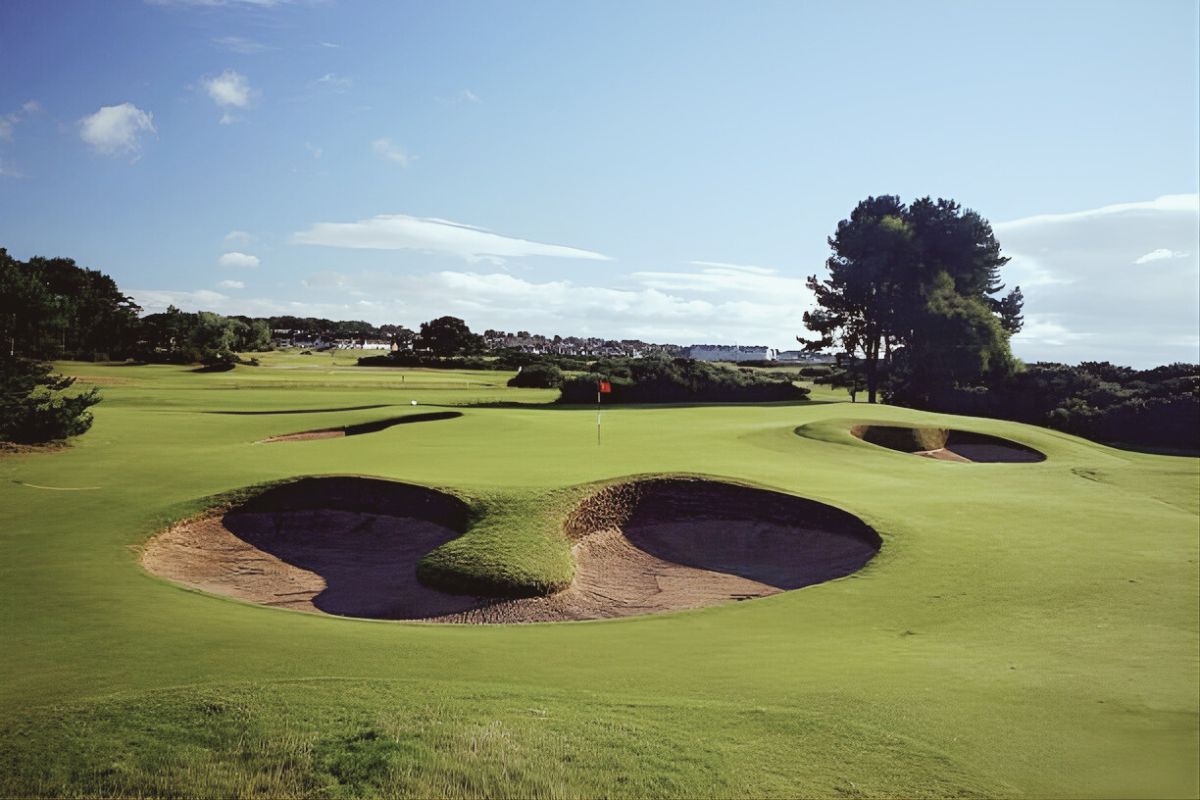
They do not call it “Carnasty” for nothing. It is a bleak, flat and terrifyingly narrow links that has hosted the Open Championship eight times. No, the true killer isn’t the distance; it’s the Barry Burn. This wriggling little creek catches more dreams than any water hazard in golf — ask Jean van de Velde.
When that North Sea wind gets howling, a typical par-4 turns into a three-shot odyssey. A few years ago, I saw a guy slap three straight into the water on 18. He didn’t even get angry. He looked out at the waves as if he had seen a ghost. It’s the ultimate test of the link’s survival.
Oakmont Country Club (Pennsylvania, USA)
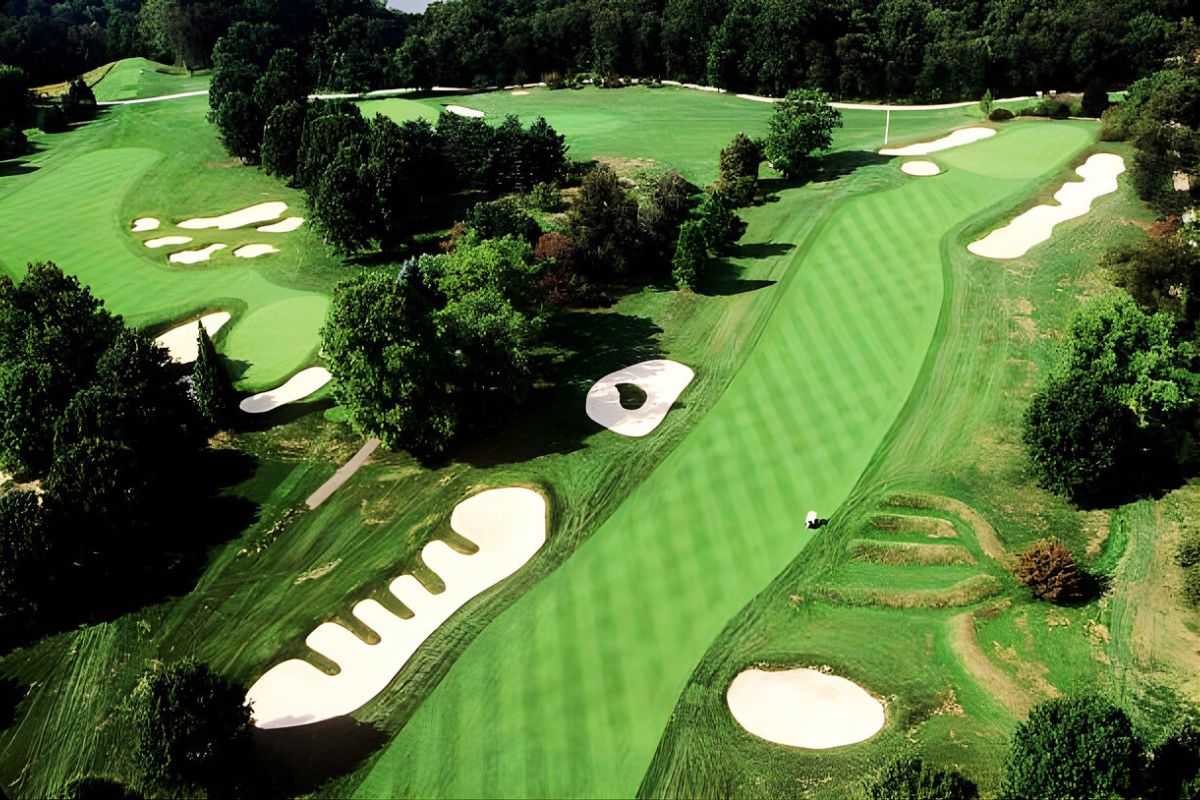
Oakmont is a different kind of mean. There are basically no trees, so you can see the misery coming from a mile away. It’s famous for having greens that are faster than a marble floor. If you tap a downhill putt, you’d better hope it hits the hole, or it’s rolling off the front of the green and back into the fairway.
Then you’ve got the “Church Pews” bunker between the 3rd and 4th holes. It’s a massive sand trap divided by ridges of thick, tall grass. If you land in those ridges, you aren’t going for the green; you’re just praying to wedge it back into play. It’s hosted more major championships than almost anywhere else because it’s the ultimate “no-nonsense” test of golf.
The Environmental Nightmares
The Ocean Course (South Carolina, USA)
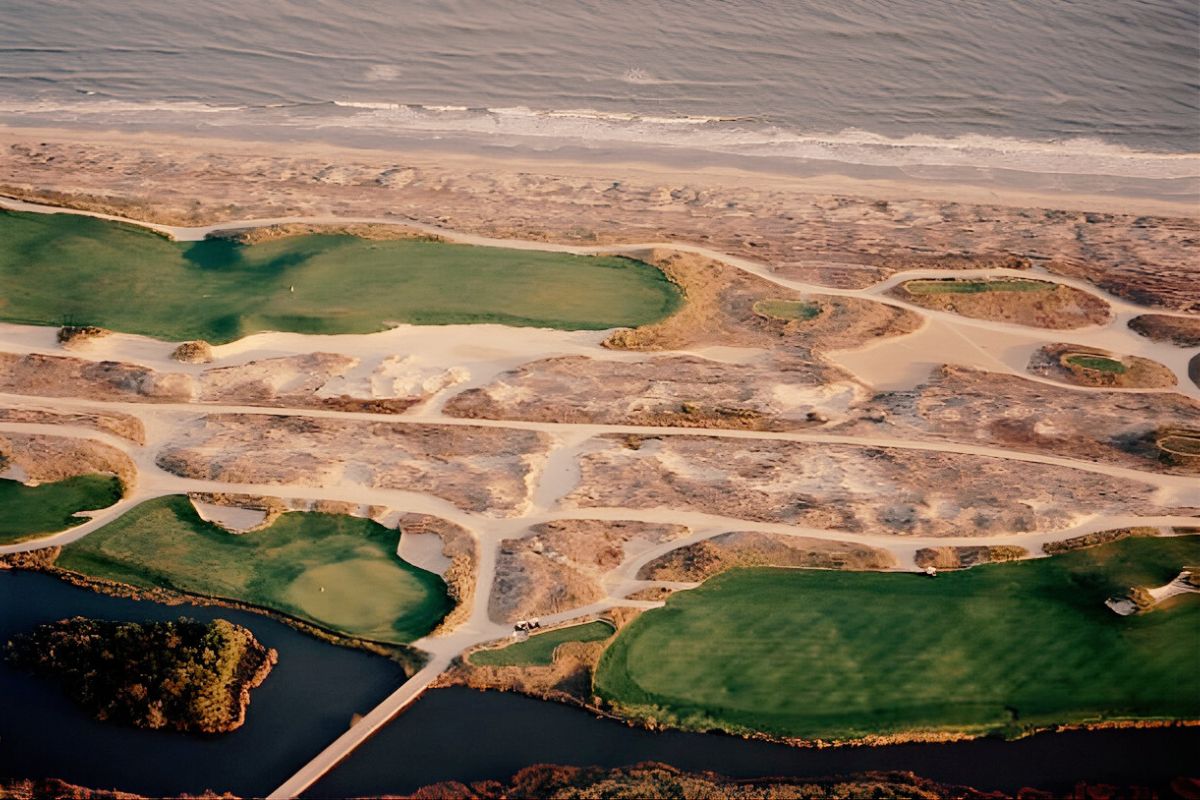
Pete Dye didn’t exactly build gentle golf courses, and Kiawah Island might be his toughest creation. Calling it ‘demanding’ almost feels too soft. The layout runs about 7,800 yards and sits right out by the Atlantic, fully exposed. It often feels like you’re playing inside a wind tunnel instead of on a course.
The fairways were lifted for better ocean views, which sounds nice until the wind starts pushing hard across them. There’s almost nothing to shield your shot. I’ve watched the same hole need a wedge early in the day and a fairway wood a few hours later just because the breeze flipped. The slope rating tops out at 155, but once gusts get near 30 mph, numbers stop meaning much. Big events have been held here, including the 1991 Ryder Cup and the 2021 PGA Championship, and even elite players looked worn down by the fight.
Ko’olau Golf Club (Oahu, Hawaii)
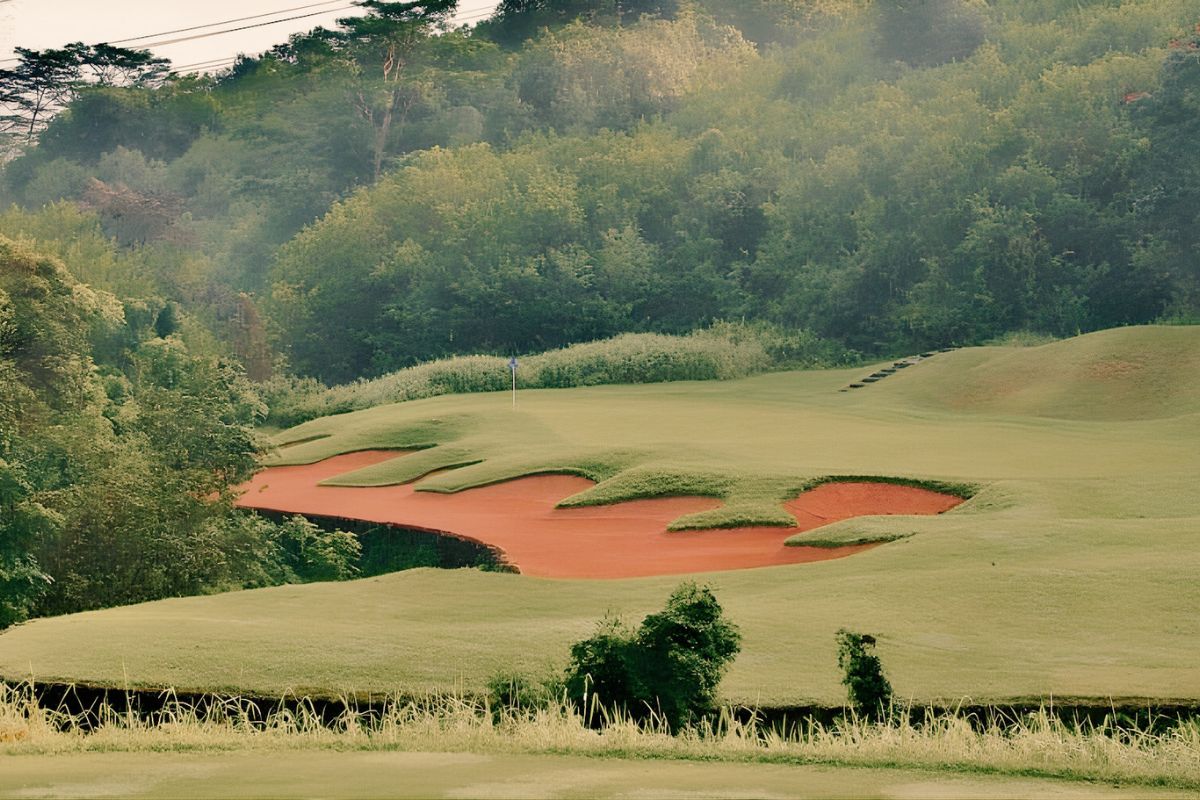
Listen, if you play Ko’olau, don’t bring your favourite Pro V1S. Bring the cheapest bulk balls you can find. It’s literally carved out of a tropical rainforest on the edge of the Pali cliffs. If your ball misses the short grass by an inch, it isn’t “in the rough”—it’s in a literal jungle, and you’re never seeing it again.
The forced carries here are terrifying. You’re standing on a tee box looking across a massive, lush ravine at a tiny patch of green, and your brain just freezes. It’s famous for being the “lost ball capital” of the world, with an unofficial slope rating of 162. It’s breathtakingly beautiful, but honestly, it’s a psychological beatdown from the first hole to the last.
Whistling Straits (Wisconsin, USA)
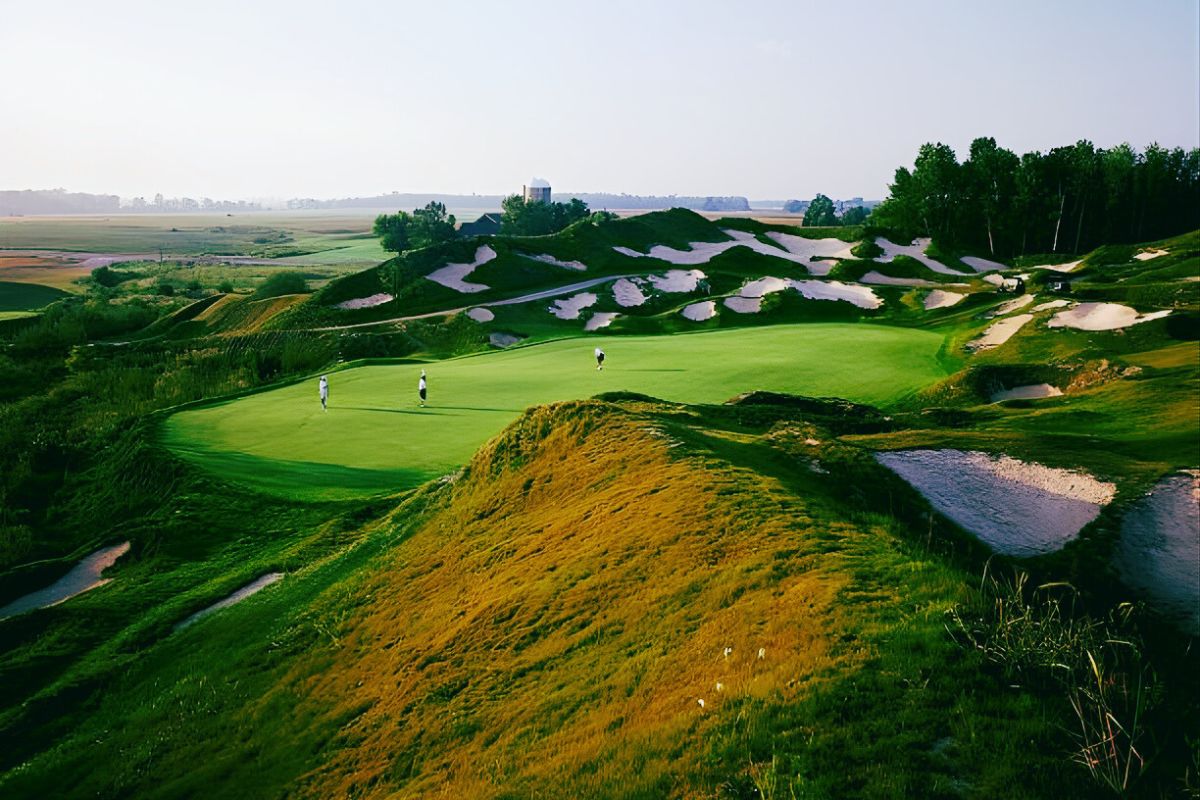
Whistling Straits, you see, is Herb Kohler’s homage to the rugged Irish coastline on the Midwest plains — and he went way overboard. There are more than 1,000 bunkers across this property. The vast majority appear to not be in play, but all together they form this dizzying, jagged visual that messes with your depth perception.
It’s a walking-only track, and by the time you’re halfway through the back nine, all those low dunes and artificial elevation changes start killing your legs. It hosted the 2021 Ryder Cup, and you could see that it took a real physical toll on the guys. The wind off Lake Michigan and the endless stretch of sand can make the course feel like an 18-hole hike across an artillery range.
The Strategic Head-Breakers
Royal County Down (Northern Ireland)
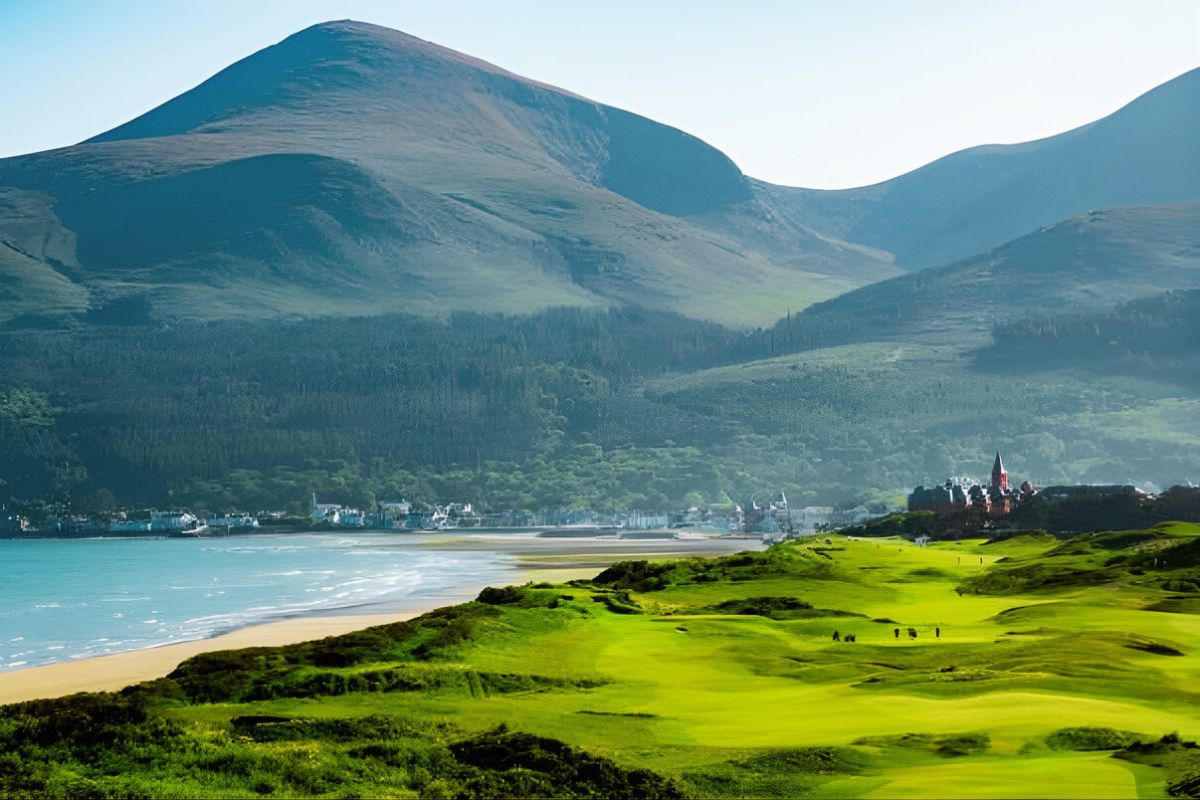
If you want to know what it feels like to play golf with a blindfold on, head to Newcastle. This Old Tom Morris masterpiece is the ultimate “blind” test. You’ll stand on a tee box, and your caddy will point at a white rock on a distant, heather-covered hill and tell you to aim there. You can’t see the fairway, you can’t see the trouble, and you just have to pray.
Then there are the “bearded” bunkers—massive pits with thick, hairy fringes of marram grass that make it nearly impossible to even stand in them, let alone hit out. The Mountains of Mourne are a stunning backdrop, but don’t get distracted; the gorse bushes here are essentially ball graveyards. It’s no wonder it’s often ranked the best (and most frustrating) course in the world.
Muirfield Village (Ohio, USA)
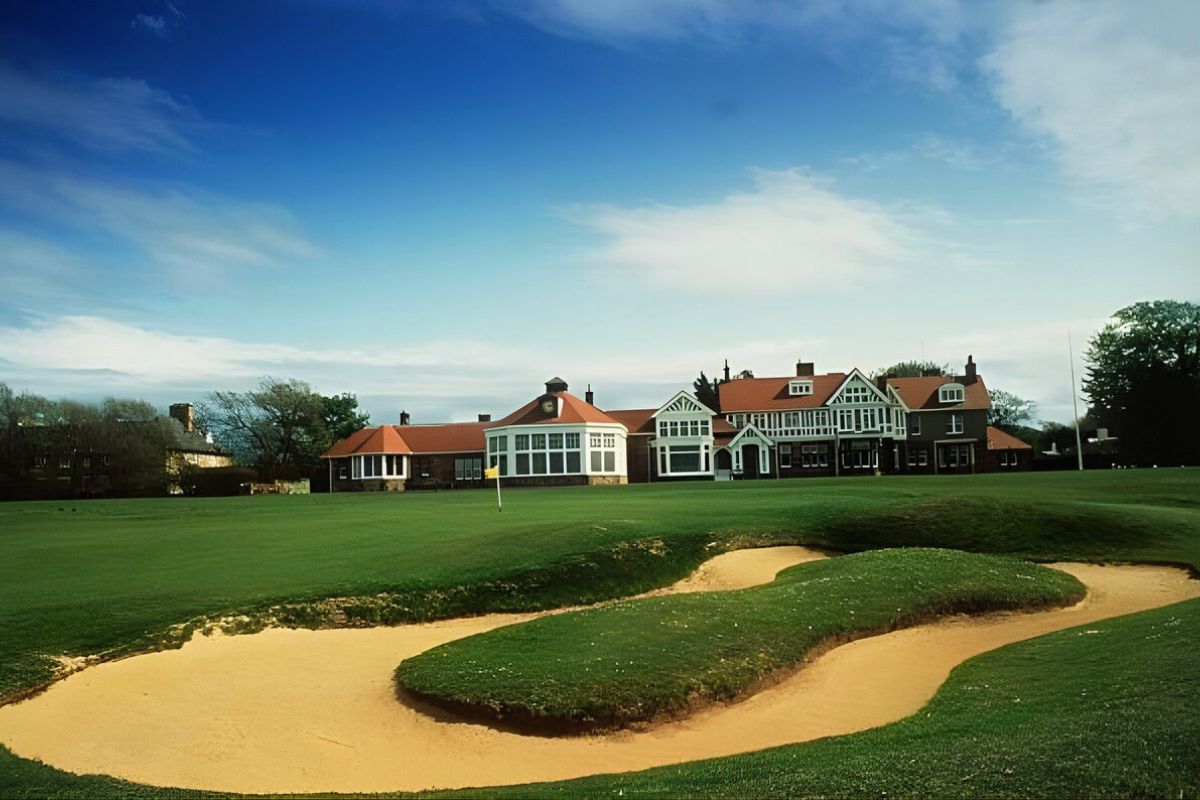
Jack Nicklaus built this place as a love letter to Augusta, but he made it a lot meaner. Known as “Jack’s Place,” this is the home of the Memorial Tournament, and it’s a “second-shot” course through and through. The rough here isn’t just grass; it’s a thick, matted mess that’ll wrap around your hosel and turn your clubface in an instant.
The greens are kept at a lightning-fast pace that’ll make a three-foot downhill putt feel like a life-altering decision. If your iron game is even slightly off, the winding creeks and deep ponds that frame almost every signature hole will find your ball. It’s a professional-grade grind that doesn’t offer a single “breather” hole.
TPC Sawgrass (Florida, USA)
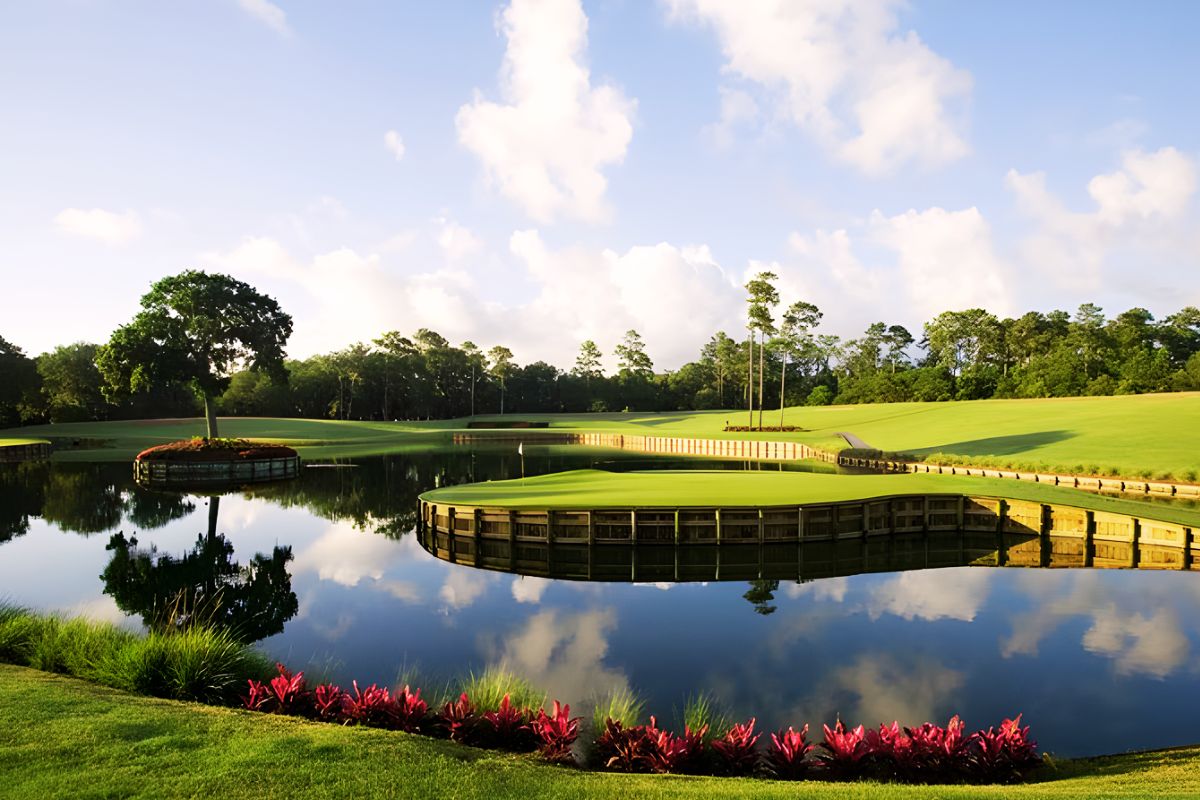
People talk most often about the 17th island green, but the rest of the Stadium Course is a mental torture chamber. Pete Dye built this place to play with your eyes. He deployed “visual deception” — angles that make a fairway appear narrower than it is and mounds masking landing areas.
You spend all day trying to play away from water, but the course was built to entice you into “hero shots” that very rarely work. It is the permanent home of The Players Championship, and we’ve all watched the best players in the world crumble under the pressure of those final three holes. It’s less about your swing and more about whether your brain can handle the stress.
Winged Foot – West (New York, USA)
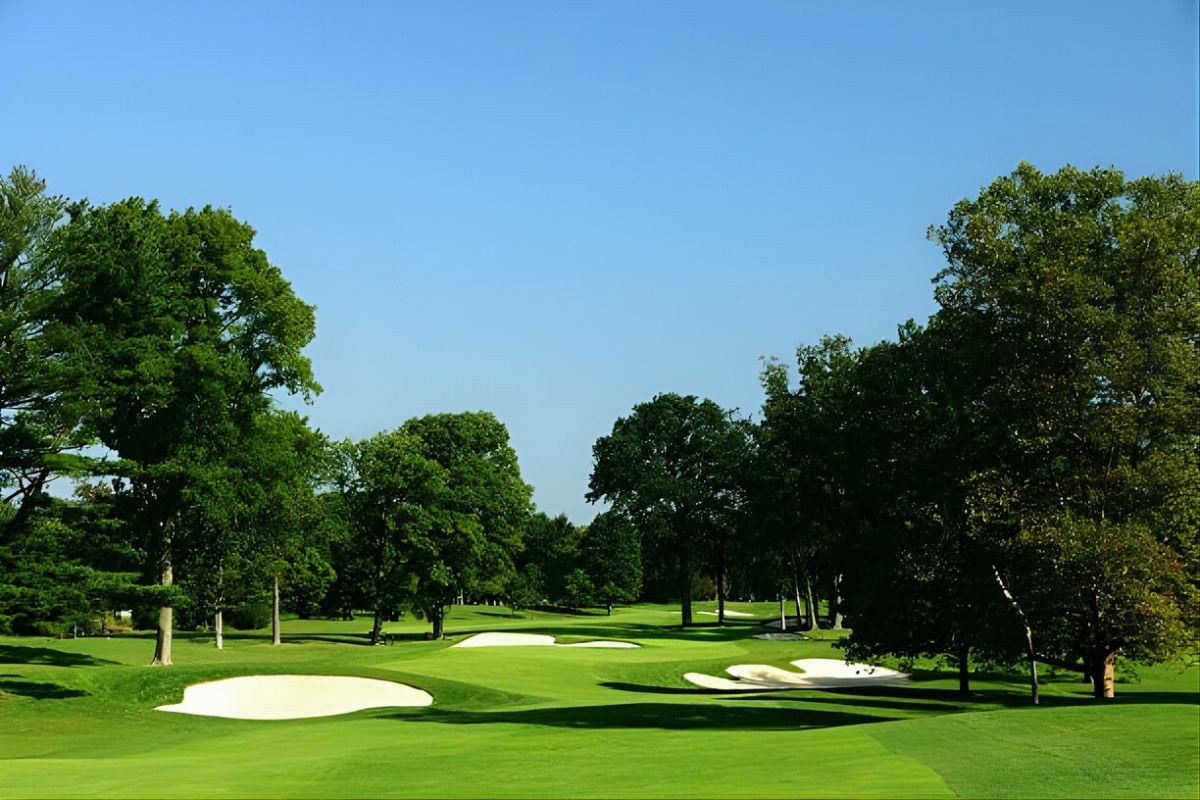
Winged Foot doesn’t need water or gimmicks to ruin your day. It just needs its greens. These putting surfaces, designed by A.W. Tillinghast, are multilayered and steeply sloped and just totally brutal. If you end up above the hole, you’re basically just hoping the ball doesn’t roll off the front of the green and back into the fairway.
It has hosted six U.S. Opens, and the most famous was in 1974 and became known as the “Massacre at Winged Foot” because the winning score was 7 over par. The course features tight, tree-lined fairways and bunkers large enough to accommodate an SUV, making it a test of skill and luck.
Royal Troon (Scotland)
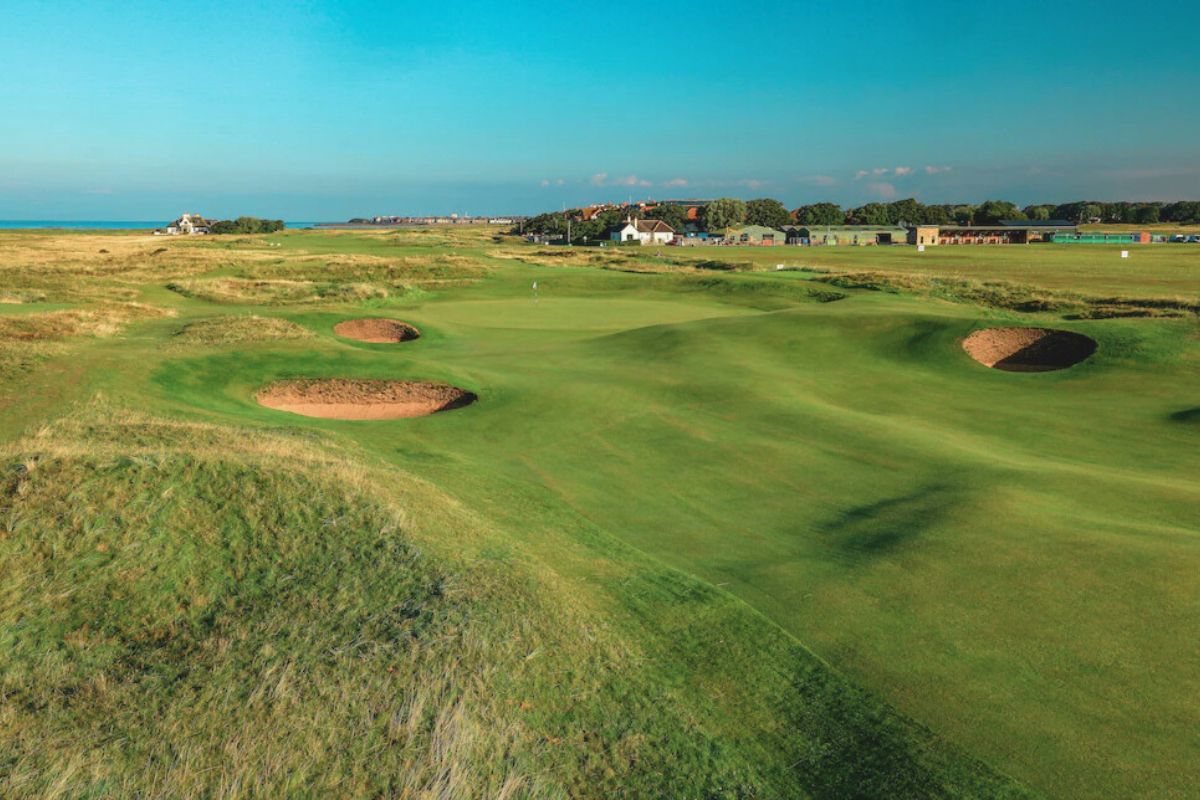
You don’t need 8,000 yards to have one of the toughest golf courses in the world. Royal Troon proves that pretty quickly. Take the 8th hole, the famous “Postage Stamp.” It’s a par-3 that barely stretches past 120 yards, yet it makes good players sweat. The green is small and skinny, boxed in by deep bunkers, including one locals call the Coffin for obvious reasons. Miss by a little, and the number on your card can jump fast.
The closing stretch at Troon adds another layer of trouble. The back nine often runs straight into the usual wind, and holes that look manageable on paper suddenly feel twice as long. Solid par-4s start playing like survival tests. The course has hosted the Open Championship many times, and it sticks to the same rule every year: keep the ball low, keep control, and keep your nerve. If any of those slips, the course lets you know right away.
Jade Dragon Snow Mountain (Yunnan, China)
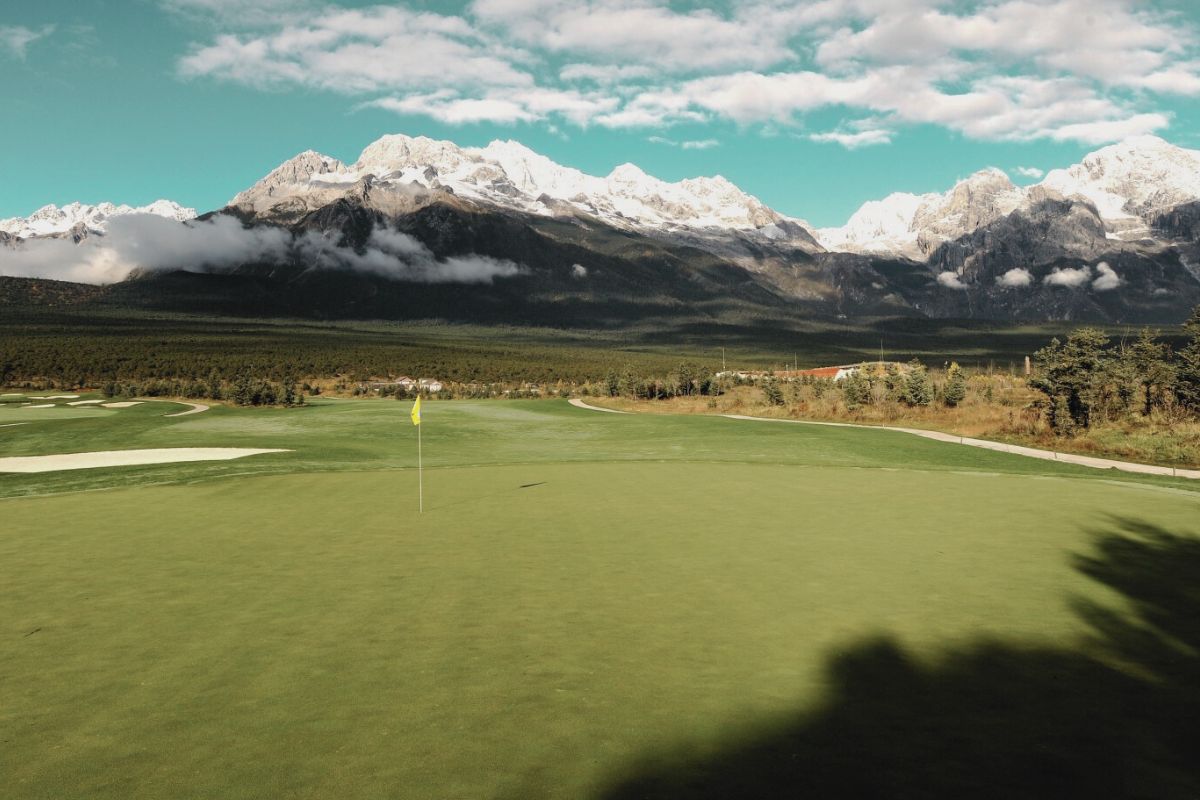
Jade Dragon Snow Mountain is notorious for one reason. It’s huge. Its full length is 8,540 yards, which may sound nearly ridiculous, but it doesn’t feel that way when you are navigating it yourself. The course is high in the mountains, nearly 10,000 feet up, and that thin air affects how the ball flies. Shots fly further up there, of course, but walking and swinging at that elevation are more exhausting than you’d imagine.
You end up pulling long clubs again and again, even on holes that look friendly on the card. Some of the par fives stretch on forever, and just seeing that yardage on the tee marker can mess with your head a bit. By the later holes, legs feel heavier, and focus slips if you’re not used to the altitude. It’s not just a round of golf. It feels more like a long mountain workout that happens to include a flagstick.
Shinnecock Hills (New York, USA)
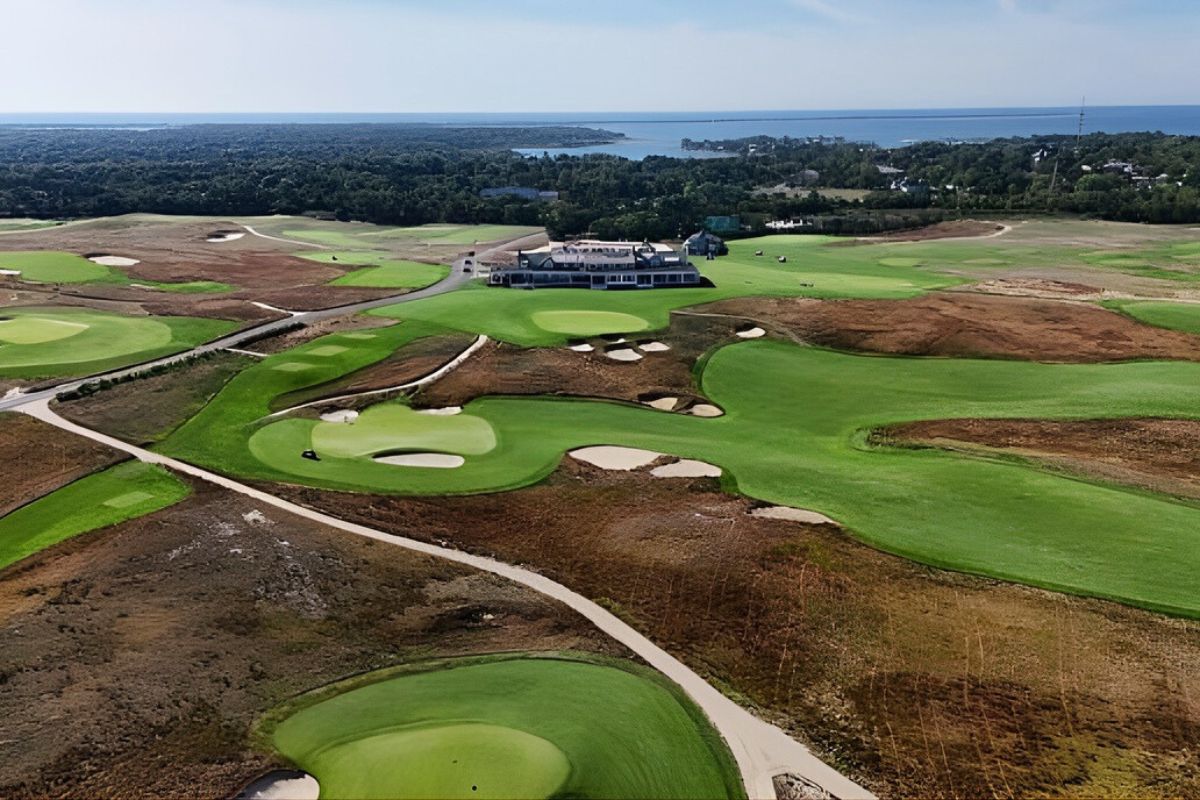
As the 2026 U.S. Open approaches, one golf course continues to be a topic of chatter: Shinnecock. It is one of the original USGA member clubs, and many golfers say it’s one of the fairest, straightest tests in American golf. Nothing is hidden out there. The design is open, and there are barely any trees to slow the wind that comes in off Peconic Bay.
When tournament officials firm and dry it out, the greens become fast enough that even short putts feel nervy. The third-round scoring average at the 2018 Open was 75.3, which gives you a pretty clear indication of how hard it played.
You can smash what you think is a perfect shot, watch it land and then dribble away down a slope to lay up far from the hole. It doesn’t feel flashy or gimmicky. It just keeps asking solid questions on every swing, and your patience gets tested as much as your skill.
The Reality Check
So, why do we do this? Why spend a Saturday getting beaten up by a piece of land? Honestly, it’s because golf is the only sport where you can play the same “court” as the pros. You can go to Bethpage and try the same shot Brooks Koepka hit. You’ll probably fail, but that one time you stick a 7-iron to ten feet on a 155-slope course? That feeling lasts for a month.
Just a heads up: if you’re planning to tackle these, check your ego at the gate. Buy two extra sleeves of balls. And for heaven’s sake, listen to the caddy. They’ve seen better players than you lose their minds in those bunkers.
What’s the hardest place you’ve ever played? Was it the wind or just the sheer “mean-ness” of the greens?
Sources & References
-
USGA (United States Golf Association): Understanding Course Rating and Slope – Official 2026 guidelines on difficulty metrics.
-
The Open Championship Official Site: Royal Troon and Carnoustie History – Historical data on major championships hosted in Scotland.
-
PGA Tour: Course Statistics and The Players Championship History – Reference for TPC Sawgrass scoring averages and “hero shot” data.
-
Golf Digest: The World’s 100 Greatest Golf Courses (2025-2026 Edition) – Ranking and architectural analysis of global courses.
-
Top 100 Golf Courses: Regional Difficulty Guides and Slope Ratings – Deep dives into Ko’olau and Jade Dragon Snow Mountain specs.
Read Also: So Wait, You Can Actually Punch Someone and Not Get Thrown Out? The Truth About Fighting in Hockey
Recommended