
- So Lenovo’s Legion Go 2 launched back in October for £1,100. Yeah, you read that right. Over a thousand quid for a handheld gaming device.
And people bought it anyway. Some bloke paid £650 over retail on eBay just to get one before Christmas.
But here’s the interesting bit. Next week at CES, Lenovo might announce a SteamOS version of the exact same device. Same hardware, different operating system, possibly cheaper. Because apparently Windows 11 was the problem all along.
The Price Thing
Four versions exist right now. The base model with 16GB RAM and 1TB storage costs £1,100. The top-spec Z2 Extreme with 32 GB and 2 TB runs £1,300.
That’s gaming laptop territory. You could get a proper machine with an Nvidia GPU for that money. But handhelds are having a moment, and Lenovo knows it.
My mate bought the middle-spec version in November. Said the screen alone justified half the cost. OLED, 8.8 inches, variable 144 Hz refresh. Proper gorgeous. But he’s been moaning about Windows ever since.
Windows Is The Weak Link
The Legion Go 2 hardware is brilliant. AMD Ryzen Z2 Extreme processor with eight Zen 5 cores. Radeon 890M graphics. Up to 32GB of fast RAM. Massive 74Wh battery that should last 3-4 hours of proper gaming.
Controllers detach like a Switch. Hall effect joysticks that won’t drift. Two USB 4 ports. The right controller works as a vertical mouse for shooters, which sounds barmy but apparently works.
The screen resolution is actually lower than the original Legion Go. Went from 2560 x 1600 down to 1920 x 1200. Not a bad thing, though. Lower resolution means better frame rates and longer battery life. At 8.8 inches you can’t really tell the difference.
But Windows 11 ruins it. The interface is clunky with a controller. Battery drains faster than it should. Updates break things. You know the drill.
Microsoft’s Xbox Full Screen Experience is supposed to fix this. Rolling out to various handhelds throughout 2026. But it’s still Windows underneath, still bloated, still annoying.
Why SteamOS Makes Sense
Valve built SteamOS specifically for handhelds. Boots straight into a console interface. Suspend and resume actually work. No random background processes eating your battery.
Lenovo already tried this with the cheaper Legion Go S back in May 2025. Made both Windows and SteamOS versions. SteamOS one sold better. Performance was snappier, battery lasted longer, fewer complaints.
So doing a SteamOS Legion Go 2 is obvious. Premium hardware without Windows getting in the way.
Reports from Windows Latest (ironic, I know) reckon the announcement’s coming at CES next week. 6-9 January. Same hardware, but Valve’s operating system instead.
What You’re Actually Getting
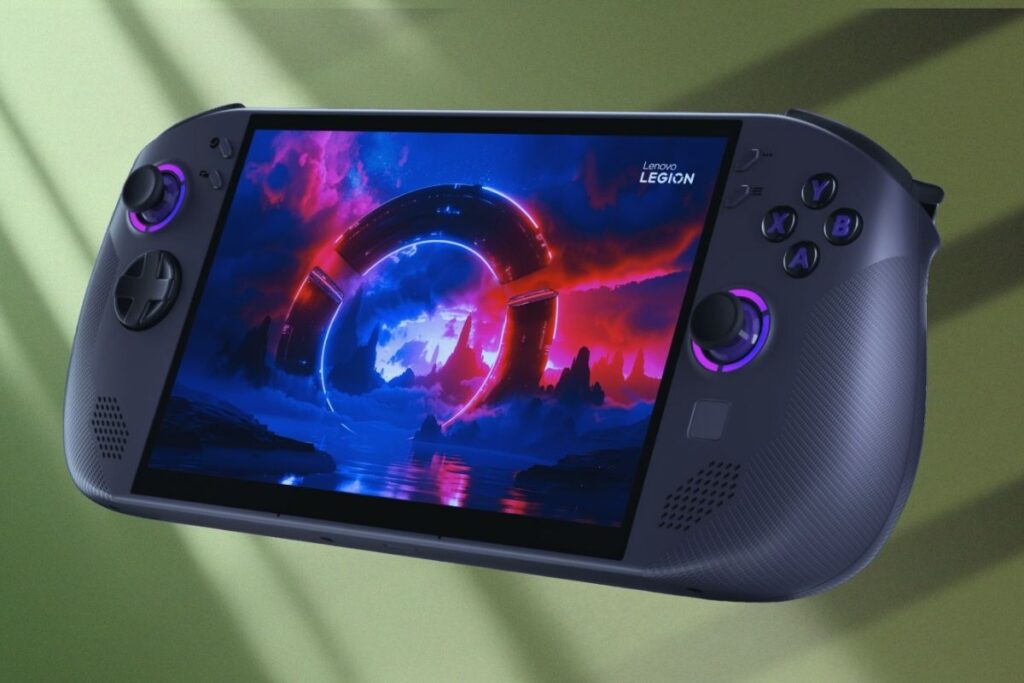
Right, let me break this down properly. The SteamOS version should be identical hardware. Same 8.8-inch OLED panel peaking at 1000 nits brightness with HDR. Same Z2 Extreme chip options. Same 32GB RAM configurations. Same 1TB or 2TB storage choices.
Weighs about 920 grams with controllers attached. That’s hefty. Steam Deck OLED is 640 grams. You feel the difference after an hour.
But you get that massive screen. Detachable controllers. Bigger battery. More power. It’s a trade-off.
The Windows version is available now. Buy it from Best Buy or Lenovo’s site if you’re in America. Various retailers elsewhere. You know what you’re getting.
SteamOS version is still rumoured. Might be real, might not. Lenovo Legion Go 2 release date for the SteamOS model is anyone’s guess. Could be immediate post-CES or could be months away.
The Real Question
Should you spend over a grand on this thing? Depends on what you want, innit.
Steam Deck OLED costs £479. Half the price. Smaller, lighter, brilliant battery life. Runs SteamOS perfectly because Valve made both the hardware and software. It’s the sensible choice.
ROG Ally X is rumoured around £800. Falls between the Deck and Legion Go 2 in specs and price. Might be the sweet spot.
Legion Go 2 is for people who want the biggest screen available. Most powerful hardware. Don’t mind the weight or cost. It’s a niche product for enthusiasts.
I’ve been using handhelds since the original Steam Deck launched in 2022. Got one on day one, actually. Pre-ordered the OLED version too. The appeal’s obvious. PC gaming library, portable, play anywhere.
But they’re not cheap anymore. The original deck was £349 for the base model. Now flagship handhelds push past a grand. The market’s changing.
Windows vs SteamOS Reality Check
Windows gives you everything. Any game, any launcher, any software. Game Pass works. Emulation’s straightforward. Full PC compatibility.
But it’s slow. Clunky interface with a controller. Battery drains fast. Updates are annoying. You’re basically using a tiny laptop without a keyboard.
SteamOS is faster. Console-like experience. Brilliant suspend and resume. Better battery life. But you’re limited to Steam games and whatever runs through Proton.
Most games work fine these days. Proton’s got really good. But some don’t. Anti-cheat stuff especially. No Game Pass. Can’t run native Windows apps.
Which matters more to you? Flexibility or performance? Only you can answer that.
What Happens Next Week
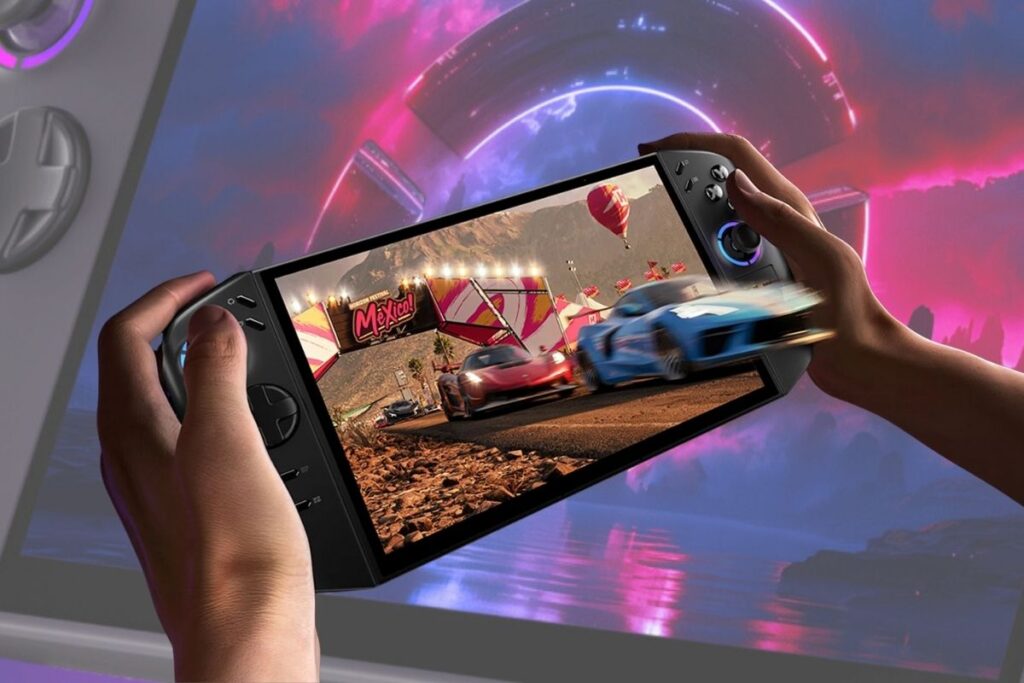
CES kicks off Monday. If this SteamOS Legion Go 2 is real, we’ll know by Wednesday probably. Lenovo might do a comparison showing better frame rates than Windows. Talk about battery improvements. Show the same interface as Steam Deck.
Pricing’s the mystery. Same as Windows versions? £50 cheaper without the license cost? More expensive because SteamOS is “premium”?
I reckon same price, maybe £50 less. Anything more and it’s too expensive. Anything less and Microsoft throws a fit.
My mate with the Windows version says he’ll sell it and get the SteamOS one if the price is right. Sick of Windows already. Three months in and he’s done with it.
That’s telling.
Who This Actually Suits
Let’s be honest. Most people should buy a Steam Deck OLED. It’s cheaper, lighter, battery lasts longer, works brilliantly. Unless you specifically need what the Legion Go 2 offers, the Deck’s the better choice.
But if you want that 8.8-inch OLED screen, if you want detachable controllers, if you want maximum power in a handheld, the Legion Go 2 delivers. It just costs a fortune.
The SteamOS version makes it more appealing. Better performance, longer battery, fewer headaches. Still expensive though. Still heavy. Still a niche product.
Gaming handhelds are weird right now. Started as budget Steam Deck alternatives. Now some cost more than gaming laptops. The Legion Go 2 sits at the premium end, competing with high-end laptops on price.
Is it worth over a grand? For most people, no. For enthusiasts who want the best handheld screen and don’t mind paying for it, maybe.
The Waiting Game
If you want a Legion Go 2 right now, the Windows version is available. Works fine despite the OS issues. You can even install SteamOS yourself later if you’re technical.
If you want SteamOS and can wait, hold off till CES. See what gets announced. If nothing happens, reassess in February.
If you’re not sure which OS you want, maybe look at other options. Deck OLED is half the price and properly good. ROG Ally X might hit the sweet spot. The MSI Claw exists but nobody seems to want one.
The handheld gaming space got crowded fast. 2022 had basically just the Steam Deck. Now there are a dozen options at various prices. Competition’s good but choice paralysis is real.
I’d wait. See what CES brings. If the SteamOS Legion Go 2 is real and reasonably priced, that’s probably the one to get. Premium hardware with an operating system built for it.
If not, the Windows version will still be there. Probably discounted by March when the next wave of handhelds launches. Either way, spending over a grand on a portable gaming device feels mental. But people are doing it anyway. The market’s there. Demand exists.
Mad world we live in.
Also Read : Want iOS 26 on Your iPhone? Here;s the Real Deal