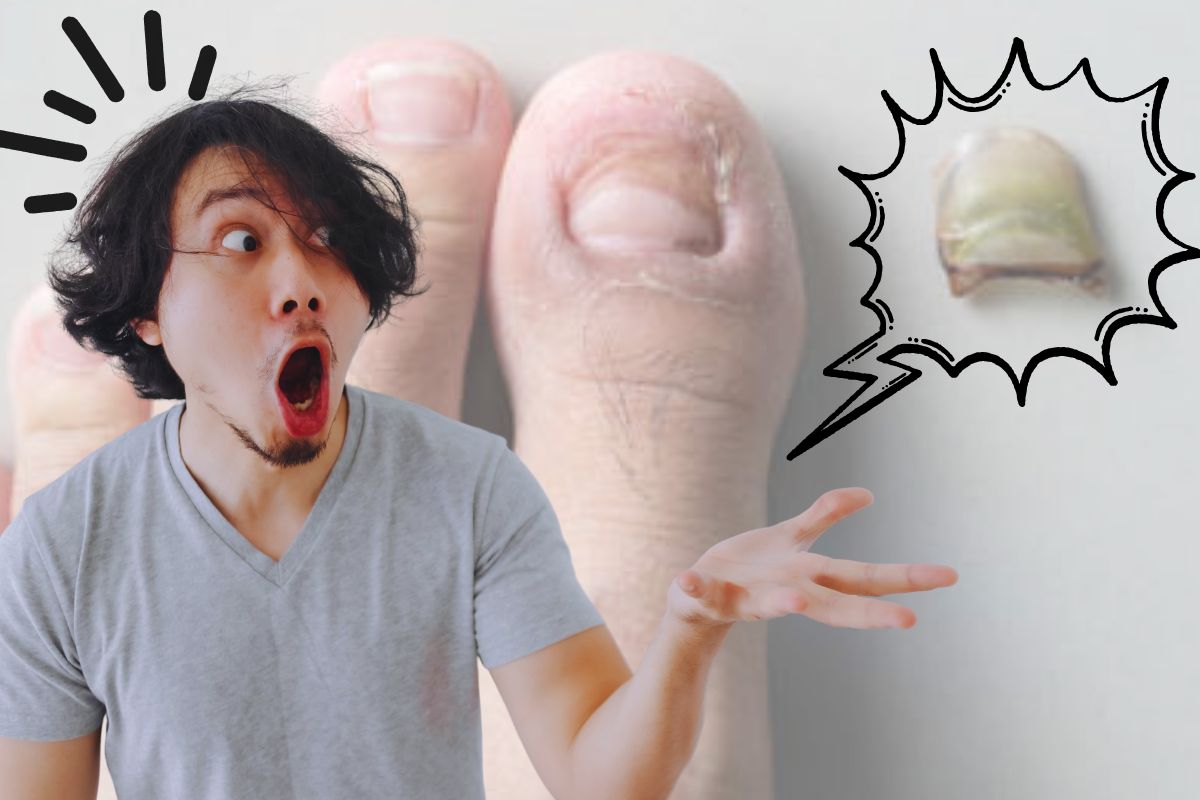
You look down one day and think, hang on… where’s my toenail?
No blood, no screaming pain and no dramatic moment. Just a nail that’s suddenly loose, or already gone, like it quietly clocked out weeks ago and forgot to tell you.
Honestly, that’s usually the clue.
Most “painless toenail loss” is not due to a sudden accident. It’s a slow separation that has been occurring for quite some time in the background. By the time that nail, for lack of a better word, gets pulled off, the thing that would have hurt you (the active tearing) has occurred beforehand, bit by bit, while you were busy living.
So, here’s what’s really happening, why it can happen without any pain, what you should do right now and when to stop Googling and have somebody look at it.
And yes, we’ll address the specific question you wrote in: why did my toenail fall off without pain?
How A Toenail Stays Put (And How It Stops)
Your toenail isn’t simply a hard “cap”. It’s a dead keratin plate that sits on top of a living “carpet” of skin known as the nail bed. The nail grows out of the nail matrix, tucked back under the cuticle area.
Here’s the bizarre thing: The nail plate itself has no nerves and blood vessels. The nail bed underneath teems with them, but if the nail separates gradually from its bed, your body somehow does not sound a “pain alarm”. Think of it as wallpaper peeling away from a wall. It’s a mess if a strip suddenly rips off. But if it peels by a millimeter per week, you barely even notice until that whole strip is hanging there.
There are two principal patterns of this “painless peel” which doctors differentiate between:
- Onycholysis: The nail separates from the bed, usually beginning at the tip and continuing proximally. Air is entrapped beneath it, which is why the nail frequently appears white or yellow before it drops.
- Onychomadesis: Nails fall off from the bottom. This occurs when the “factory” (the matrix) shuts down for a few weeks—typically because of a high fever, hand-foot-and-mouth disease or some major stress—and starts back up, pushing the old nail forward until it drops. (This can happen after illness or a major body stressor.)
If you lost the nail without pain, odds are it was one of those slow processes.
The Most Common Reasons A Toenail Falls Off Without Pain
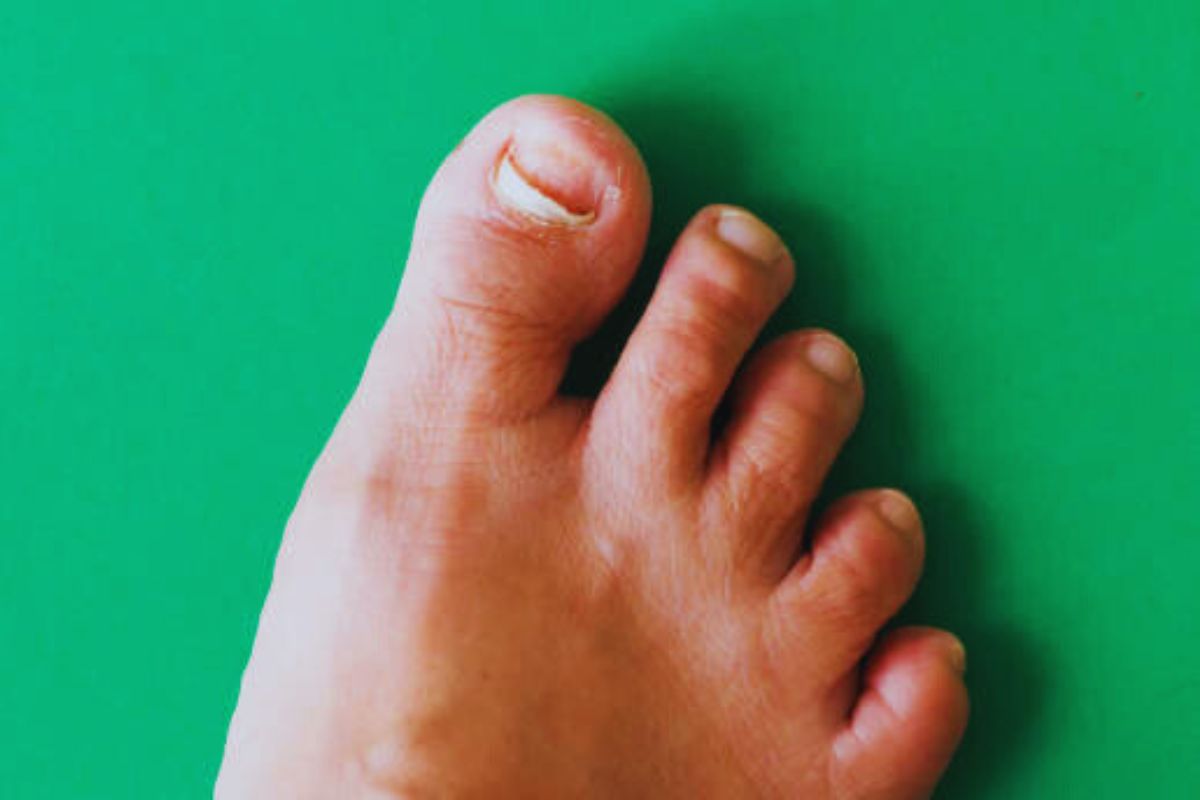
Repeated Micro Trauma (The Sneaky One)
You don’t need to drop a dumbbell on your toe. Runners experience this a lot. So do those who walk a lot in tight shoes, wear stiff work boots or play sports in cleats.
It’s not one big hit but rather thousands of tiny taps and pressure points. Over time, the nail can lift. Sometimes you will see a dark spot under the nail first, as if it were dried blood. Sometimes you won’t see a thing until your nail catches on your sock.
It’s boring, but it’s common.
Fungal Nail Infection
Toenail fungus is another classic “quiet” cause. It can creep in slowly, especially if your feet spend time warm and damp, like in sweaty trainers, locker rooms, or shared showers.
A fungal infection can make the nail:
- yellow or brown
- thicker than usual
- crumbly at the edges
- slightly lifted from the nail bed
And it can do all of that without pain for a long time. Health and other medical outlets point out that nail fungus often changes the nail’s shape and attachment over time, and severe cases can lead to the nail loosening or coming off.
Old Injury You Forgot About
This happens more than people admit. You stubbed your toe months ago, swore once, moved on, and forgot it ever happened.
But underneath, that bruise may have disrupted how the nail sits or grows. The nail can detach gradually as a new nail tries to grow in from behind. By the time it falls off, the painful part is long gone.
Illness Or Body Stress Months Earlier
This one surprises people because the timing feels so random.
If you had a high fever, a viral illness, major surgery, or a rough period where your body basically went “nope”, your nail growth can temporarily slow down. Then months later, you see a groove across the nail (a ridge), and later the nail sheds.
Dermatology references describe this kind of shedding pattern as linked to a temporary interruption in nail growth.
So yes, something that happened months ago can show up on your toe now. Annoying, but real.
Skin Conditions Like Psoriasis Or Eczema
Psoriasis can affect nails. It can cause pitting, discoloration, thickening, and lifting. It’s not just a skin thing; it’s a nail thing too.
If you’ve had stubborn dry patches, scalp flaking, or known psoriasis, nail involvement becomes more likely.
Poor Circulation Or Nerve Problems
It’s most important if you have diabetes, circulation problems or numbness in your feet. Diminished sensation may prevent you from feeling this irritation. And blood flow alters how tissues heal and fend off infection. Health sources often flag diabetes and circulation problems as reasons to take foot and nail issues more seriously, even when they don’t hurt.
Is It Ever “Normal” For A Toenail To Fall Off Without Pain?
Sometimes, yes. If the nail was already mostly detached and a new nail is starting behind it, painless shedding can be a basic “replacement” event.
But here’s the thing. “Not painful” doesn’t always mean “not a problem”. It just means you didn’t feel the separation happening.
The situations that deserve more caution are:
- it happens repeatedly
- you see signs of infection
- you have diabetes or poor circulation
- the toe looks discoloured or feels cold compared to the other foot
- the nail bed looks raw and won’t calm down
Signs You Should Get Checked
If any of these show up, don’t tough it out:
- spreading redness, warmth, swelling
- pus or cloudy drainage
- a bad smell
- red streaks up the foot
- fever
- worsening pain after the nail is gone
- you can’t feel your feet well (numbness)
- you’re diabetic
And if the toe looks infected, go sooner rather than later. Infection on a toe can get messy fast in the wrong circumstances.
What To Do Right Now If Your Toenail Fell Off
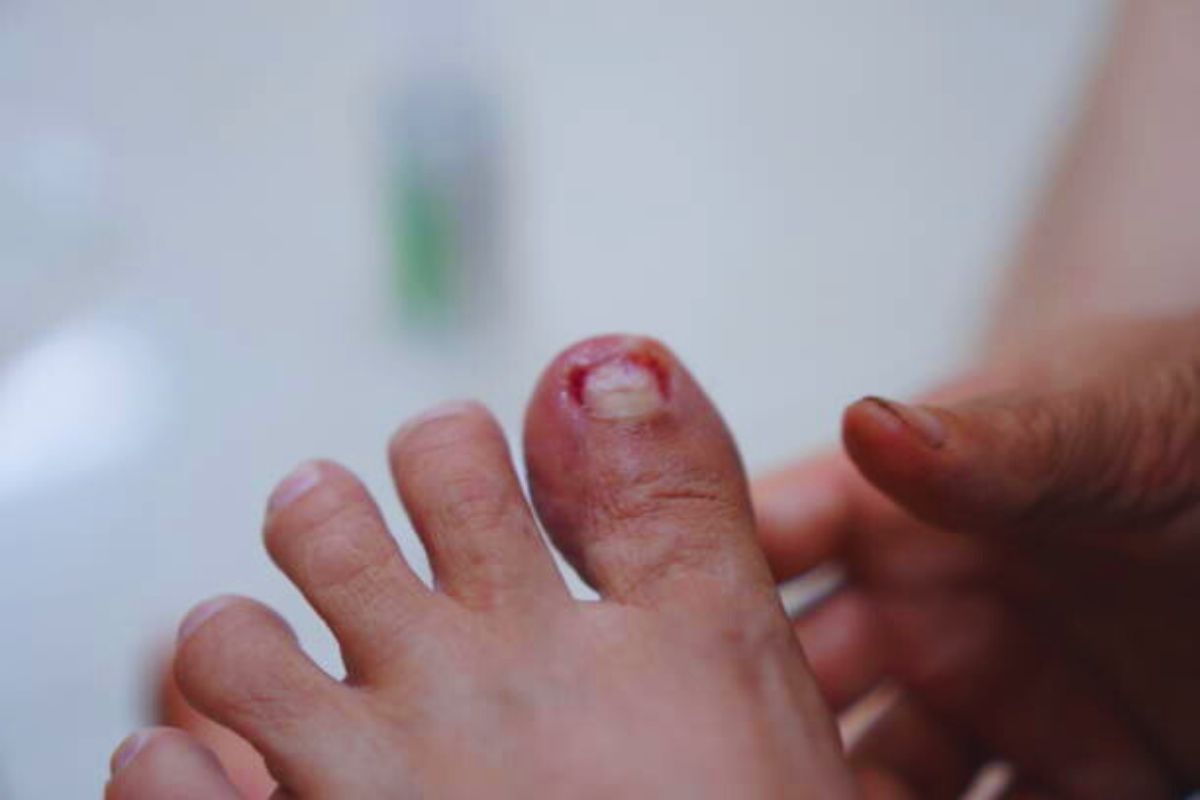
Look, don’t rip anything. If a piece is still attached, trim only the loose, dangling part with clean nail scissors. Leave anything firmly connected alone. Pulling it can tear living skin underneath.
Then:
- Wash gently with mild soap and water.
- Pat dry. Don’t scrub.
- Keep it slightly protected and moist, not crusty and cracked. A thin layer of petroleum jelly is commonly recommended for protecting exposed skin after minor skin injuries.
- Use a non-stick dressing so it doesn’t glue itself to the tender nail bed.
- Wear roomy shoes for a bit. Wide toe box, soft socks, nothing that rubs.
If you’re tempted to use alcohol or peroxide daily, easy there. Those can irritate healing skin if you keep blasting it.
Will the Toenail Grow Back?
Most of the time, yes. But toenails are slow. Very slow.
A full regrowth can take many months, and in some cases closer to a year or more, depending on the toe, your age, and how healthy circulation is.
If the nail matrix was damaged (like a major crush injury), the new nail can grow in thicker, ridged, or a bit weird looking. Not always, but it happens.
How To Stop It Happening Again
This is where you win or lose the rematch.
- Check your shoes. If your toes hit the front when you walk downhill or run, that’s a problem.
- Trim nails straight across. Don’t dig into the corners. (That’s also how people end up with ingrown nails.)
- Keep feet dry. Change socks. Let shoes air out.
- Don’t share nail tools and be picky with salons. Nail fungus loves shortcuts.
- If you suspect fungus, get it properly checked. A lot of “fungus” guesses are wrong, and treatment works better when it’s targeted.
And if you’re on a GLP-1 medication, have diabetes, or deal with circulation issues, make foot checks a habit. Quick glance. Takes ten seconds. Saves drama later.
FAQs
Can stress make a toenail fall off?
Stress by itself doesn’t usually pop off a toenail overnight. But serious physical stress on the body (high fever, major illness, surgery, big shock to the system) can temporarily disrupt nail growth, and months later the nail may shed.
Is painless toenail loss always fungus?
No. Fungus is common, but so is repeated microtrauma, old bruising, or post-illness shedding. A thick, yellow, crumbly nail points more toward fungus, but it’s not a slam dunk without a proper look.
Should I remove a loose toenail myself?
If it’s barely hanging on by a thin edge, trimming the loose part can prevent it snagging. But don’t pull off anything still attached to the skin. If you’re unsure, or it looks angry and inflamed, get a clinician to handle it.
Why didn’t it hurt when it happened?
Because the separation often happened slowly over weeks. The nail plate has no nerves, and by the time it falls off, the living skin underneath may have already adapted to the change.
The Takeaway That Actually Matters
Most people ask why did my toenail fall off without pain because the lack of pain feels suspicious. We admit that asking it is fair, as it is weird that there is no pain.
But in a lot of cases, painless nail loss simply means the “breakup” happened gradually, and you only noticed when the nail finally left the chat.
Clean it, protect it, watch for infection, and think back a few months. New shoes? Lots of walking? A long run phase? A nasty illness? One of those usually explains it.
And if your toe looks off, smells off, or you’ve got diabetes, don’t play hero. Get it checked. Your future self will thank you. Or at least stop glaring at you every time you put socks on, yeah?
Sources & References
- Cleveland Clinic: Onycholysis (Nail Separation): Symptoms, Causes & Treatment
- Health.com (2026 Update): Toenail Falling Off? Common Causes and Treatment Guide
- Mayo Clinic: Nail Fungus Symptoms and the Mechanism of Nail Detachment
- Foot & Ankle Center of Arizona: Why Did My Toenail Fall Off Without Pain? Causes and Solutions
- Credihealth: 7 Reasons a Toenail Falls Off Without Pain That Deserve Your Attention
- Everyday Health: Brittle Toenails and Repetitive Micro-Trauma in Athletes