The first time I heard someone say, “Red Lobster’s back,” I laughed. Out loud. In a parking lot.
Because come on. We all watched the same messy headlines. The endless shrimp chaos. The bankruptcy. The jokes that wrote themselves.
But then I started noticing something. Not on TikTok and in some hypey thread. This is happening in real life. A coworker’s parents went for a birthday dinner and came back weirdly pleased. A friend in Florida said the local place felt “less tired” than it used to. Another friend asked me, dead serious, if Steak and Ale was “actually open again” or if he’d dreamed it.
That’s the thing about restaurant comebacks. They don’t arrive with fireworks. They creep in. Quiet signs first. A reopened location, a new menu and a brand that stops apologizing for itself and starts acting like it belongs in the room again.
So, which restaurant chain is making a comeback? If you mean the biggest, most dramatic, “how are they still standing” comeback, it’s hard to top Red Lobster right now. But it’s not alone. A bunch of familiar names are clawing their way back into the conversation in early 2026, and they’re doing it in very different ways.
Below are the chains worth watching, and why their return actually makes sense.
Red Lobster
This one is the headline comeback for a reason.
Red Lobster filed for Chapter 11 bankruptcy protection in May 2024, then moved through a restructuring and emerged under new ownership led by a Fortress Investment Group-backed group. Reuters covered the court approval and the plan to keep hundreds of locations running.
Then came the part that usually decides whether a chain lives or fades. Leadership. Red Lobster appointed Damola Adamolekun as CEO after the bankruptcy process, and he’s been blunt about what he walked into. Business Insider reported him describing morale as “very low” and staff feeling “beat down”.
What’s different this time is that the plan doesn’t read like a fantasy. It’s the boring stuff that actually works. Tightening the menu. Fixing the experience is crucial. And you are definitely going to appreciate the vibrant interior redesign. Closing weak locations instead of pretending every address is sacred.
Fortune also reported that the company expected positive net income in fiscal 2026 while continuing its recovery plan.
Is it guaranteed? No. Restaurants don’t hand out guarantees. But it’s the clearest example of a chain trying to earn a second chance instead of just begging for nostalgia.
Steak And Ale with Salad Bar And All
If you grew up hearing adults talk about Steak and Ale like it was a lost era, yeah, you’re not imagining that vibe.
The chain disappeared for years. And then it started coming back, for real. Bennigan’s official announcement in January 2025 confirmed the first new Steak and Ale location and also talked about a 15-store franchise agreement for Midwest expansion rights.
Here’s why that matters. It’s not a random one-off. A single reopened restaurant can be a novelty. A multi-unit deal signals intent. They are also using “host kitchens” for Beningan to maximize profit.
Also, they’re leaning into what people actually remember. The old-school feel. The salad bar energy. The comfort of a place that doesn’t try to be cool. It’s “new nostalgia”, but done with some restraint. Smaller formats. Cleaner execution. Same core idea.
Honestly, this is the kind of comeback that works best in suburbs and road trip towns. Places where people still want a sit-down meal that feels familiar and doesn’t cost a fortune.
Sweet Tomatoes
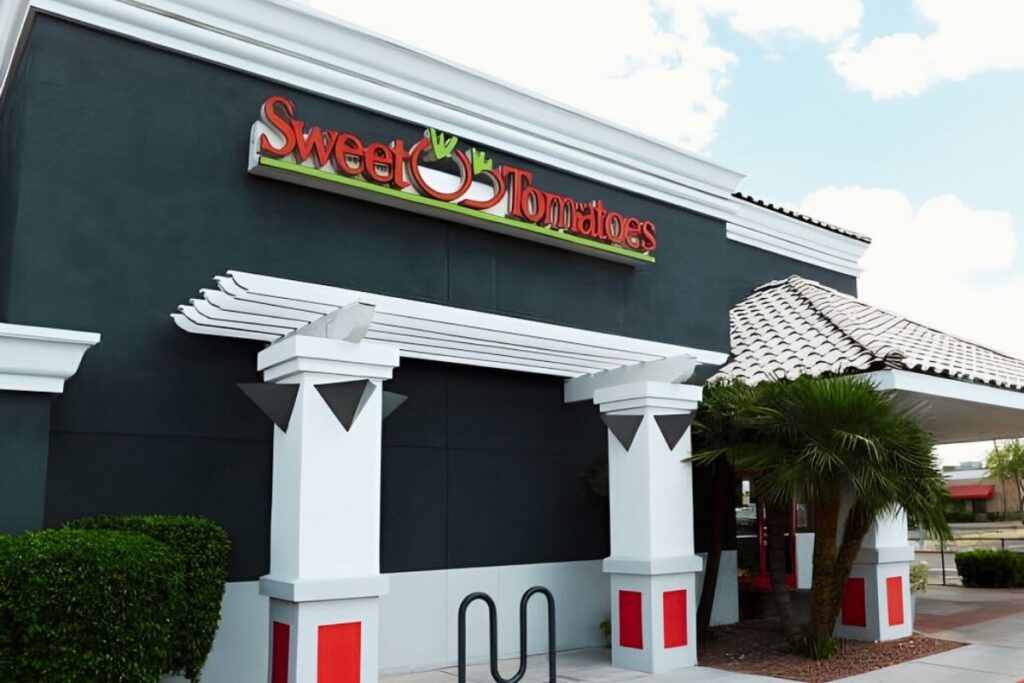
Sweet Tomatoes, also known as Souplantation in some areas, has a different kind of following. Not casual. Devoted.
It shut down in 2020, and people never really let it go. The official Sweet Tomatoes site previously noted ST Three LLC buying rights and planning a return, with operators tied to the old brand involved in the revival.
The comeback has been cautious. That’s probably smart. Buffets are tricky. Staffing is tough. Costs are weird. And yet, the demand is real. Lines at the first reopening got attention for a reason, and more locations have been discussed publicly since then.
They are soon going to open at Fort Myers, FL, in spring 2026.
The appeal is simple. People want the salad bar, the soups, the muffins, and the soft serve. They want a place that feels like a weekday routine, not a “special occasion”.
If you’re asking, ‘Which restaurant chain is making a comeback?’ and you mean the one powered almost entirely by customer emotion, then Sweet Tomatoes belongs near the top. Because that kind of loyalty is rare, and it’s hard to fake.
Quiznos
Quiznos has been “almost back” for a long time. This time, the approach looks more practical.
Instead of betting everything on big standalone stores, they’ve been pushing into convenience store locations and smaller footprints. Business Wire reported Quiznos plans to open additional locations within Pump and Pantry convenience stores across Nebraska, using compact models designed for tighter spaces. This is all about more liquidity and low overhead costs.
That matters because it matches how people actually eat now. Quick stop. Grab food. Keep moving. It’s not a “let’s sit for an hour” brand anymore, and it doesn’t need to be.
If they can nail consistency, keep the toasted sandwich identity, and stop feeling like a throwback, this comeback has legs. Not glamorous legs. But steady ones.
Boston Market
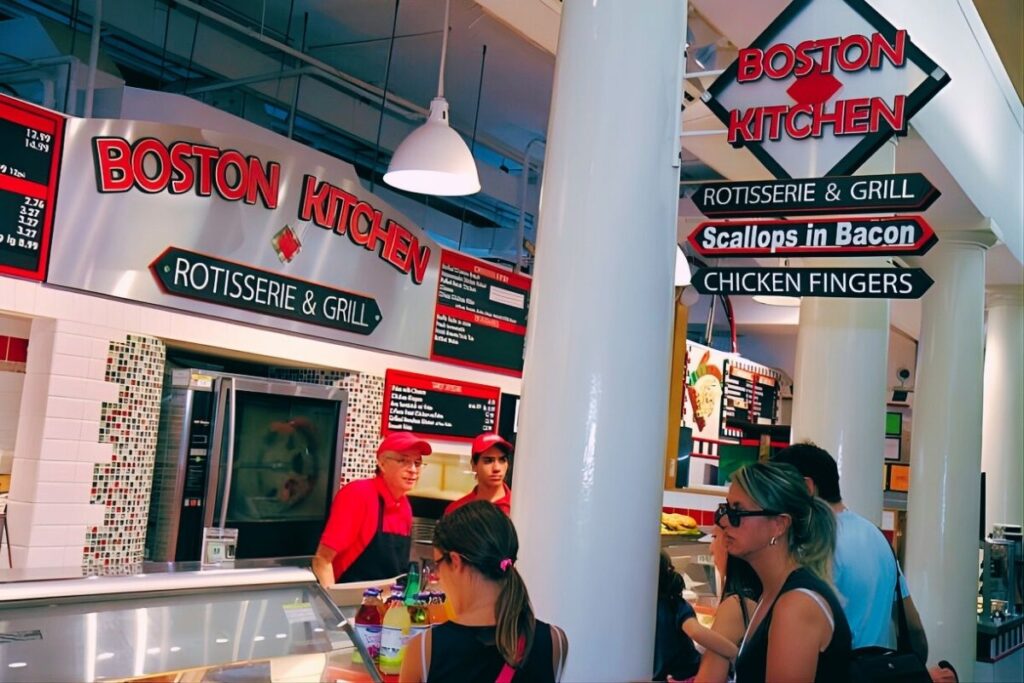
Boston Market is complicated. And yeah, that’s putting it politely.
People don’t just miss the chicken; they miss that specific, warm smell of a Sunday dinner that you didn’t have to cook yourself. That’s a powerful drug, but it’s not enough to pay the rent if the lights aren’t on.
There’s been a real attempt to revive it through licensing and new operator models, especially after years of closures and legal trouble. RetailWire covered a new Buffalo, New York location in 2025 and described the company’s effort to use an owner-operator-style program to reopen stores.
But other coverage has also questioned whether the comeback is working at all. Quartz, for example, has reported on the struggle and the failed nature of earlier revival attempts.
So where does that leave things in January 2026?
It leaves Boston Market as a brand with a strong memory, a weak foundation, and a lot to prove. The food idea still hits. Rotisserie chicken, comfort sides, and a quick dinner that feels like home. The execution is the problem.
If they can build a stable model with operators who actually care, they might claw back a small footprint. If not, it stays a nostalgia logo people mention and then forget again.
Cava
Cava isn’t a comeback in the classic sense. It’s more like the chain that’s thriving while older brands scramble.
But it belongs in this conversation because it shows what “winning” looks like in 2026. Fast casual. Strong tech ordering, simple menu logic and a vibe that plays well with younger diners.
On the business side, Cava has openly talked about aggressive unit growth. Coverage tied to Cava’s investor updates has described plans that point toward a significant expansion pace into 2026.
If you’re watching the restaurant world like it’s a scoreboard, Cava is the team running up points while the old giants argue on the sidelines.
Final Word
If you want one answer, the loudest “back from the brink” story is Red Lobster right now, mostly because the turnaround has real structure behind it.
But the more interesting answer is that we’re watching two different comebacks happen at the same time.
One type is the rescue mission. Fix the mess and stop the bleeding. Try to become profitable again. Red Lobster fits that.
The other type is the nostalgia rebuild. Steak and Ale. Sweet Tomatoes. Even Boston Market, in its messy way. These brands are betting that people don’t just miss the food; they miss what the place felt like.
And honestly? That’s not silly. When everything gets more expensive and more stressful, familiar meals start to feel like a tiny, edible break.
Anyway, if you had to bet your money on one chain still feeling stronger by the end of 2026, who are you putting it on: the seafood rescue, the salad bar revival, or the toasted sub comeback?
Sources and References
- Benzinga (Jan 2026): Red Lobster’s 36-Year-Old CEO Planning ‘The Greatest Comeback’
- Seeking Alpha (Nov 2025): CAVA Outlines 16% Unit Growth for 2026 Amid Macro Headwinds
- Nation’s Restaurant News: Legendary Restaurant Brands Brings Back Steak and Ale
- Bennigan’s/Steak and Ale: Inside the Resurrection of the Legendary Steak and Ale Restaurant Chain
- Business Wire: Quiznos to Open Six Additional Locations Within Pump & Pantry Convenience Stores
- WFTV Orlando (Dec 2025): Sweet Tomatoes Returning to Florida: Fort Myers Reopening Confirmed
- WYRK Buffalo (May 2025): Boston Market Comeback Starts in Buffalo with New Licensed Model
Read Also: How to Calculate Profit Margin for Small Businesses