People love the noisy version of California wealth. The version with launch parties, movie premieres, and headlines about someone becoming a billionaire before lunch.
That version exists. Sure.
But it’s not where most of the money actually lives.
If you spend time in California long enough, you notice something else. The richest places are often the quietest ones. Streets without shops. Towns without a real center. Areas where nothing much seems to happen, and that’s exactly why people with money stay.
These cities didn’t get rich in a year. Or five. Most of them have been wealthy for decades. Some longer. And the real skill wasn’t making the money. It was keeping the place unchanged once the money arrived.
Before getting into the details, it helps to see the full picture at once.
| Rank | City | County | Population (Approx.) | Average Household Income | Median Household Income |
|---|---|---|---|---|---|
| 1 | Atherton | San Mateo | 7,000 | $600,000+ | $560,000+ |
| 2 | Hillsborough | San Mateo | 11,000 | $520,000+ | $320,000+ |
| 3 | Los Altos Hills | Santa Clara | 8,400 | $480,000+ | $260,000+ |
| 4 | Woodside | San Mateo | 5,500 | $460,000+ | $250,000+ |
| 5 | Palo Alto | Santa Clara | 67,000 | $420,000+ | $210,000+ |
| 6 | Saratoga | Santa Clara | 31,000 | $410,000+ | $230,000+ |
| 7 | Cupertino | Santa Clara | 60,000 | $390,000+ | $200,000+ |
| 8 | Manhattan Beach | Los Angeles | 35,000 | $380,000+ | $200,000+ |
| 9 | Newport Beach | Orange | 86,000 | $370,000+ | $195,000+ |
| 10 | Beverly Hills | Los Angeles | 32,000 | $360,000+ | $190,000+ |
Note: Before breaking things down city by city, it helps to say this upfront. A lot of the income numbers you’ll see below are best estimates, not precise figures. Public Census data stops reporting exact medians once household income passes certain limits.
So for high-earning cities, the numbers come from income ranges, IRS county data, and housing trends through late 2025. That’s the honest way to handle it.
Why Certain California Cities Keep Getting Richer
When you look at these cities together, a few shared forces start to show up.
First, housing supply stays tight. Many of these places limit how much can be built, how dense it can be, and even what kind of buildings are allowed. That keeps demand high and prices from drifting down, even when the wider market cools.
Second, income here isn’t just about salaries. A large share of household wealth comes from stock compensation, long-term investments, and business ownership. That kind of income doesn’t show up evenly every year, but over time it compounds.
There’s also the school factor. Strong public schools pull in high-earning families, and once those families arrive, they tend to stay. That stability matters more than people realize.
Finally, location still does a lot of the work. Proximity to tech corridors, financial hubs, or coastal property keeps these cities insulated from sharper downturns. They’re not immune to change, but they bend more than they break.
Now let’s get to the places one-by one.
1. Atherton
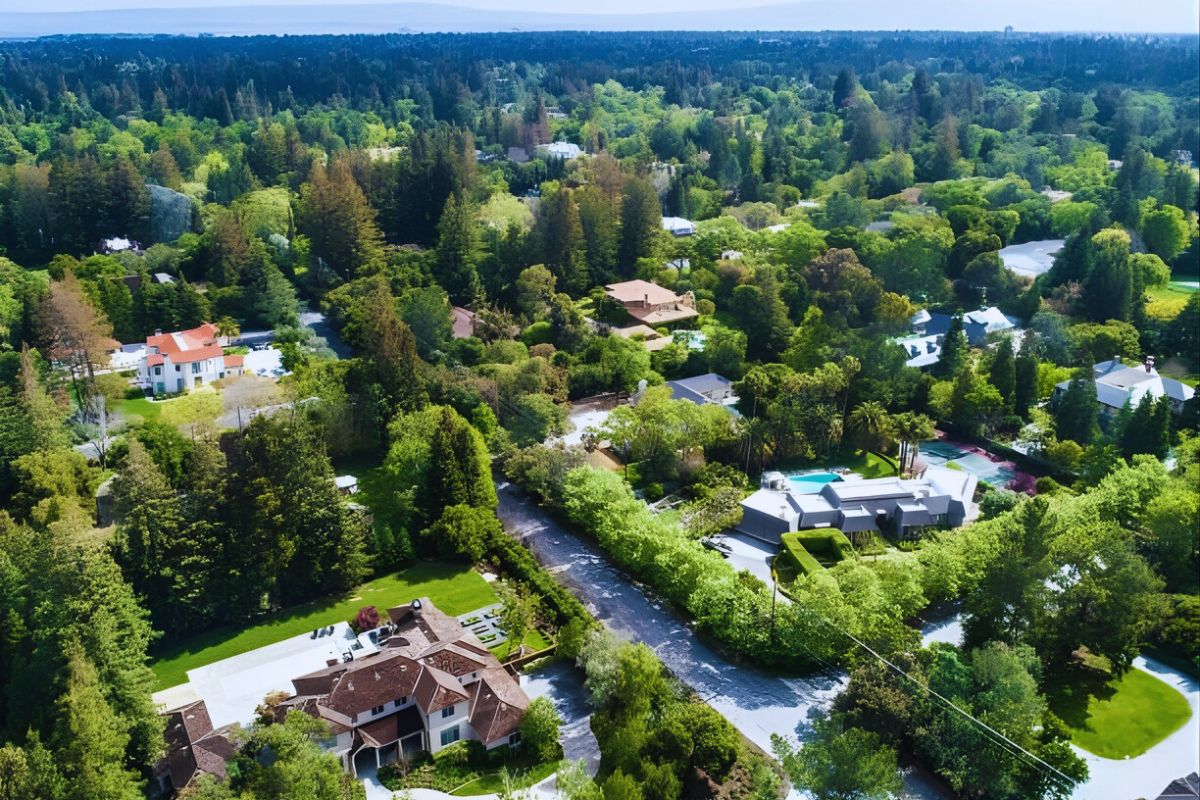
Median Household Income: $560,000+
County: San Mateo
Notable for: Old estates, tech fortunes, deliberate privacy
Atherton doesn’t try to look rich. It doesn’t need to.
There’s no downtown. No shops. No reason to wander through unless you live there or have been invited. That’s not an accident. It’s policy. No commercial zoning means no foot traffic, and no foot traffic means nobody’s watching.
Homes here regularly cross eight figures. Long driveways. Heavy gates. Houses set so far back you barely see them. This is money that values silence more than status.
Real estate:
Large estates on oversized lots. Supply stays low by design, which keeps prices stubbornly high.
Who lives here: Tech founders who cashed out early, venture capital partners from Sand Hill Road and families whose wealth predated even the existence of Silicon Valley as a name.
2. Hillsborough
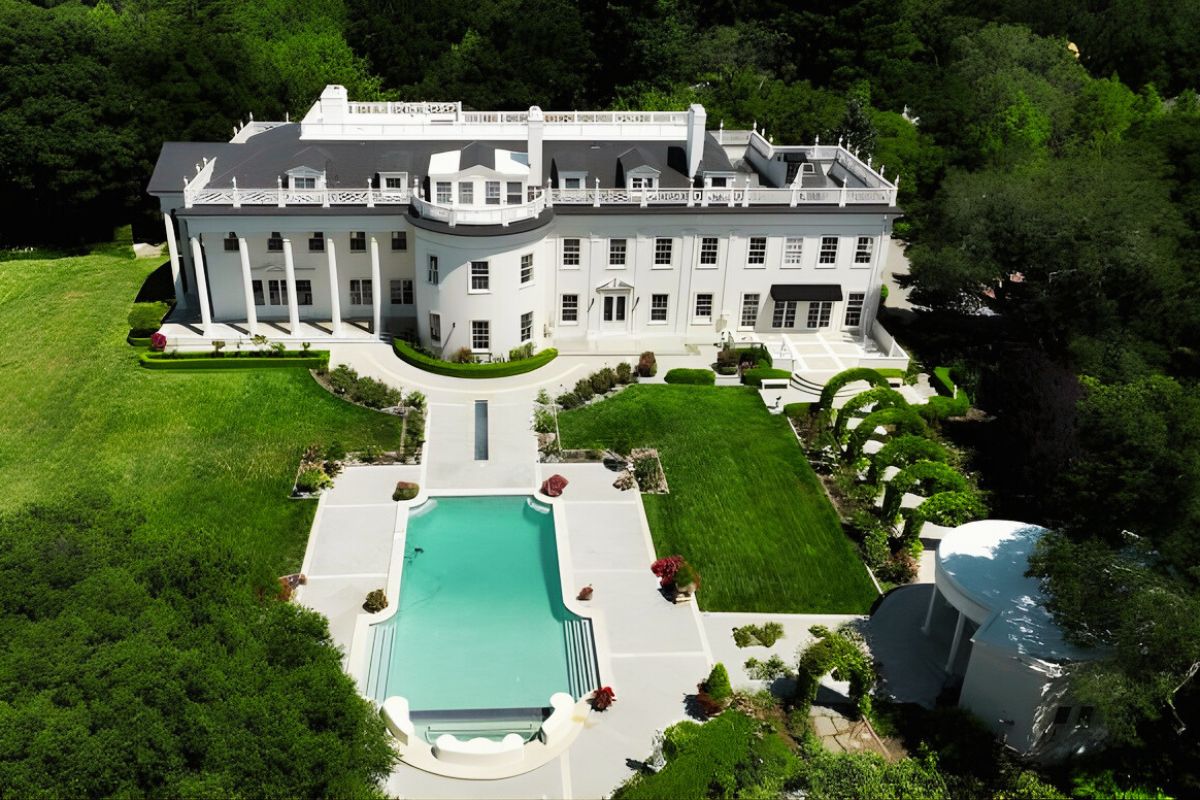
Median Household Income: $320,000+
County: San Mateo
Notable for: Mansions, low density, staying put
Hillsborough feels like money that learned patience.
Development rules are tight, and turnover is low. People move in, settle, and don’t leave unless they have to. That stability has protected property values through every up and down.
It’s close to San Francisco but far enough to feel removed from it.
Real estate:
Large single-family homes, many built decades ago, are rarely replaced.
Who lives here: Senior executives, private equity professionals, and families who want space without disappearing entirely.
3. Los Altos Hills
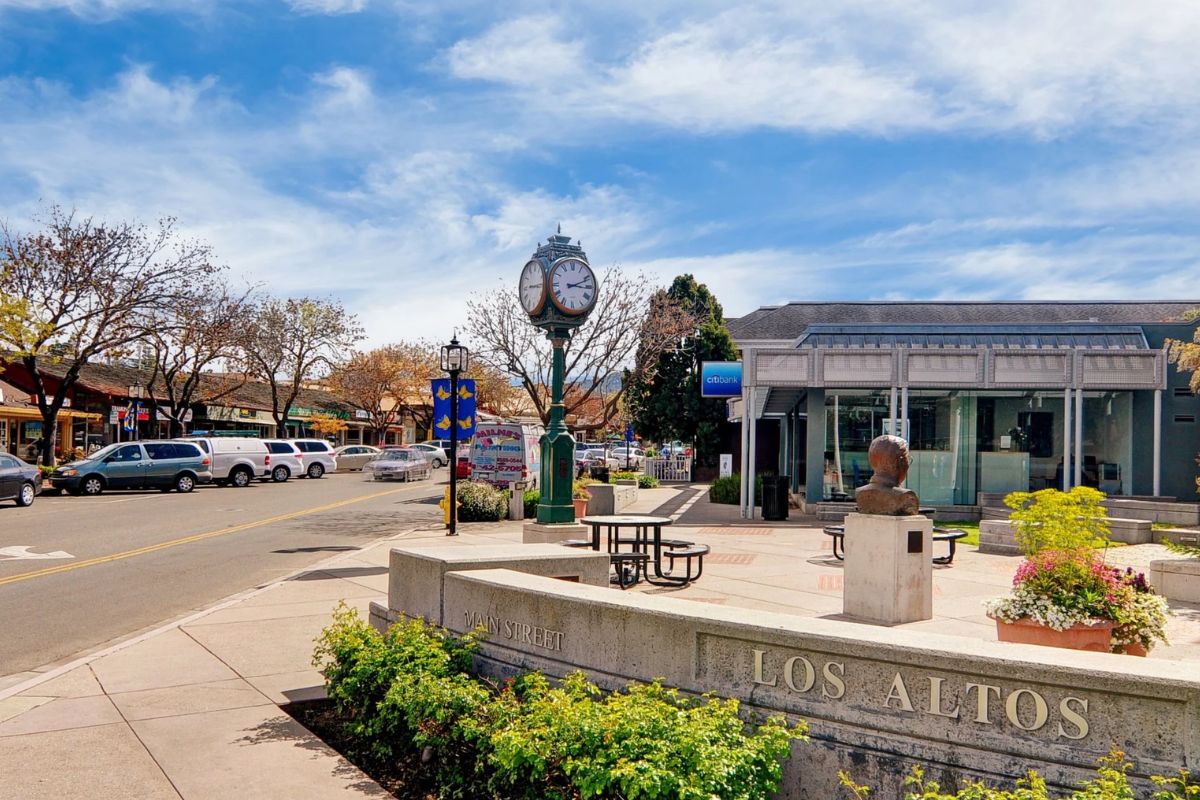
Median Household Income: $260,000+
County: Santa Clara
Notable for: Semi-rural living, senior tech leadership
Los Altos Hills doesn’t rush. Nothing here does.
The roads curve. The parcels are big. Shops are almost an afterthought. This is Silicon Valley wealth that stepped back once the work was done.
Real estate:
Homes on acreage, protected by zoning that limits density.
Who lives here: Retired founders, long-tenured tech leaders, and families who made their money early and stayed close.
4. Woodside

Median Household Income: $250,000+
County: San Mateo
Notable for: Land ownership, privacy, space
Woodside blends wealth with breathing room.
You see horses. Trails. Houses that barely show themselves from the road. It attracts people who want land, not attention.
Real estate:
Large estates with limited inventory, which keeps prices firm even when markets cool.
Who lives here: Investors, executives, and business owners who see land as part of their long-term wealth.
5. Palo Alto

Median Household Income: $210,000+
County: Santa Clara
Notable for: Equity wealth, startups, constant motion
Palo Alto earns its place differently.
Salaries matter, but equity matters more. Stock grants, IPOs, and long-held shares push real wealth well beyond what income alone shows.
The city changes fast. Shops rotate. Offices expand. But the money keeps cycling back in.
Real estate:
Consistently among the most expensive in the Bay Area, driven by schools and location.
Who lives here: Founders, engineers with stock compensation, venture capital staff, and families still in the middle of their careers.
6. Saratoga
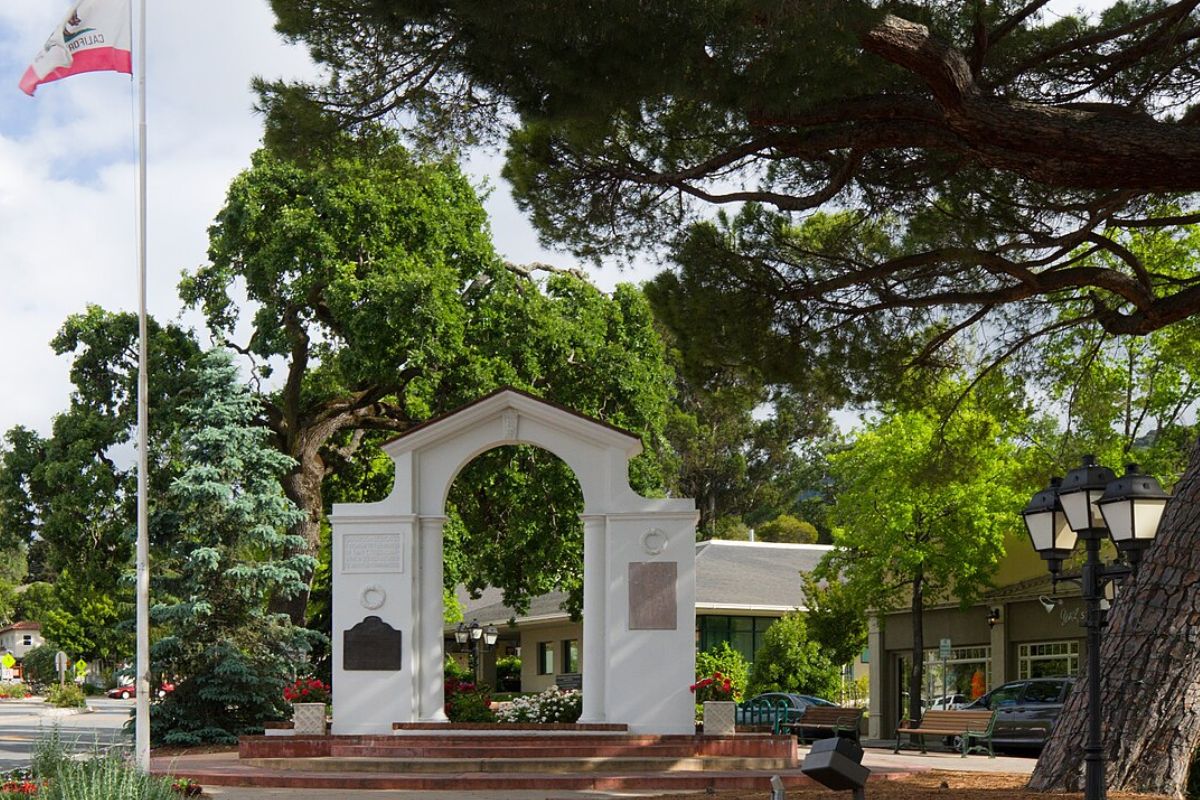
Median Household Income: $230,000+
County: Santa Clara
Notable for: Schools, stability, long ownership
Saratoga attracts people who want things settled.
Good schools drive demand, and most homes are owned for the long haul. There’s very little speculative churn here.
Real estate:
Detached homes with steady appreciation rather than dramatic spikes.
Who lives here: Established professionals, executives with families, and long-term Silicon Valley residents.
7. Cupertino
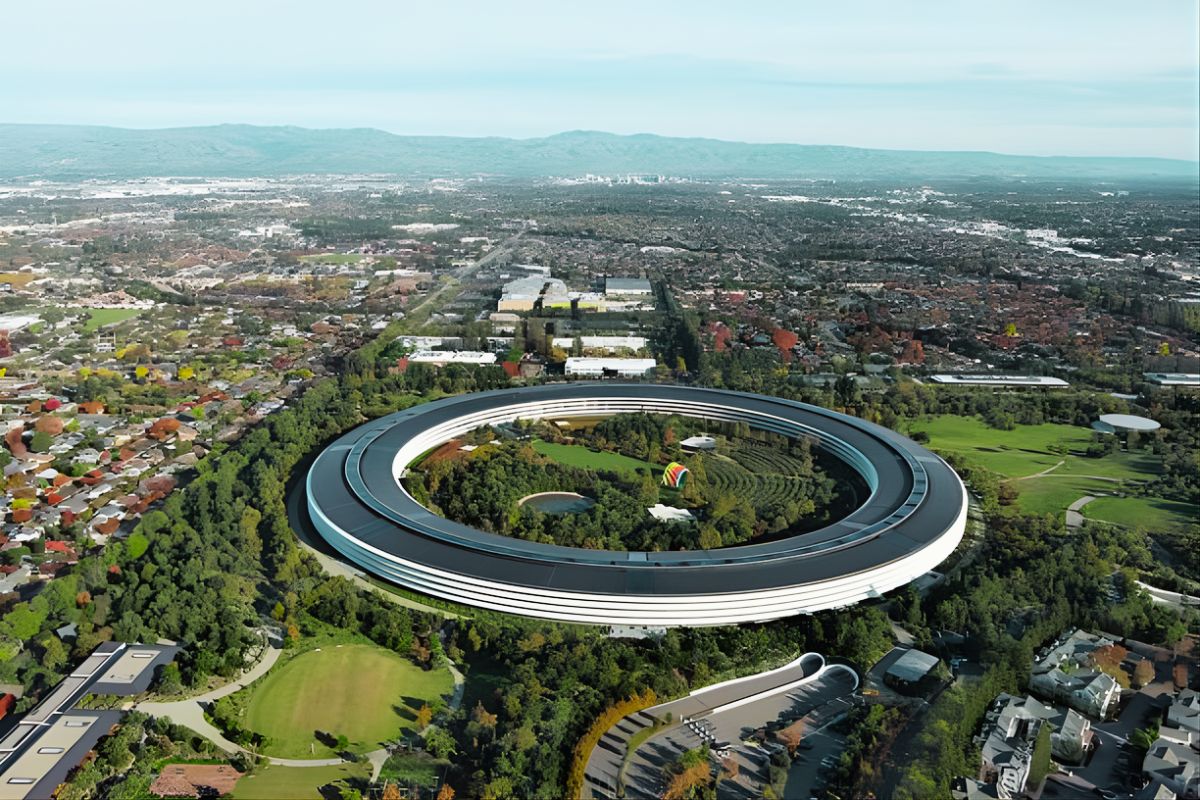
Median Household Income: $200,000+
County: Santa Clara
Notable for: Apple-driven wealth
Cupertino’s story is tied to one company, and it’s not a secret.
Years of stock growth turned solid salaries into serious household wealth. The city itself stays practical, almost understated.
Real estate:
Strong demand, limited land, and prices supported by employment stability.
Who lives here: Apple engineers, managers, contractors, and families tied to the company ecosystem.
8. Manhattan Beach
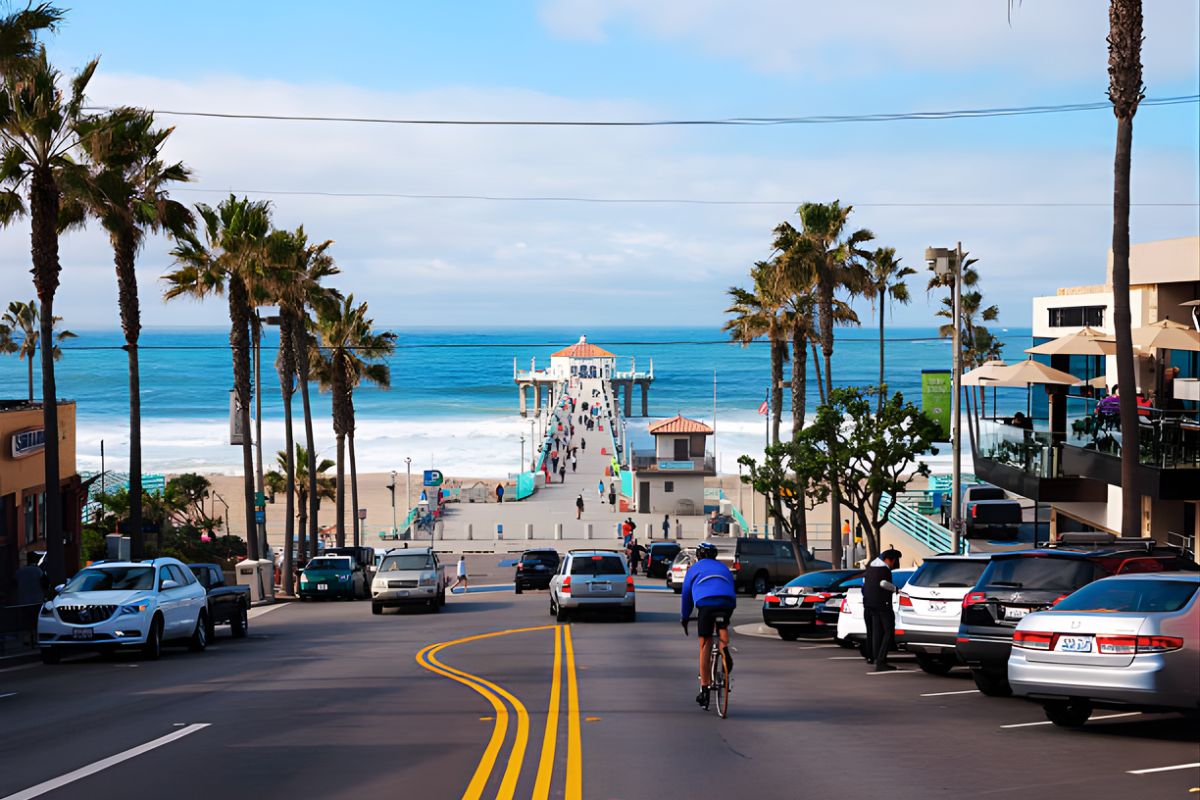
Median Household Income: $200,000+
County: Los Angeles
Notable for: Coastal property, lifestyle wealth
Manhattan Beach mixes income with assets.
The beach does most of the work. Property values keep climbing even when other markets slow down.
Real estate:
High-priced coastal homes with limited inventory.
Who lives here: Finance professionals, entrepreneurs, and entertainment executives who want the ocean close.
9. Newport Beach
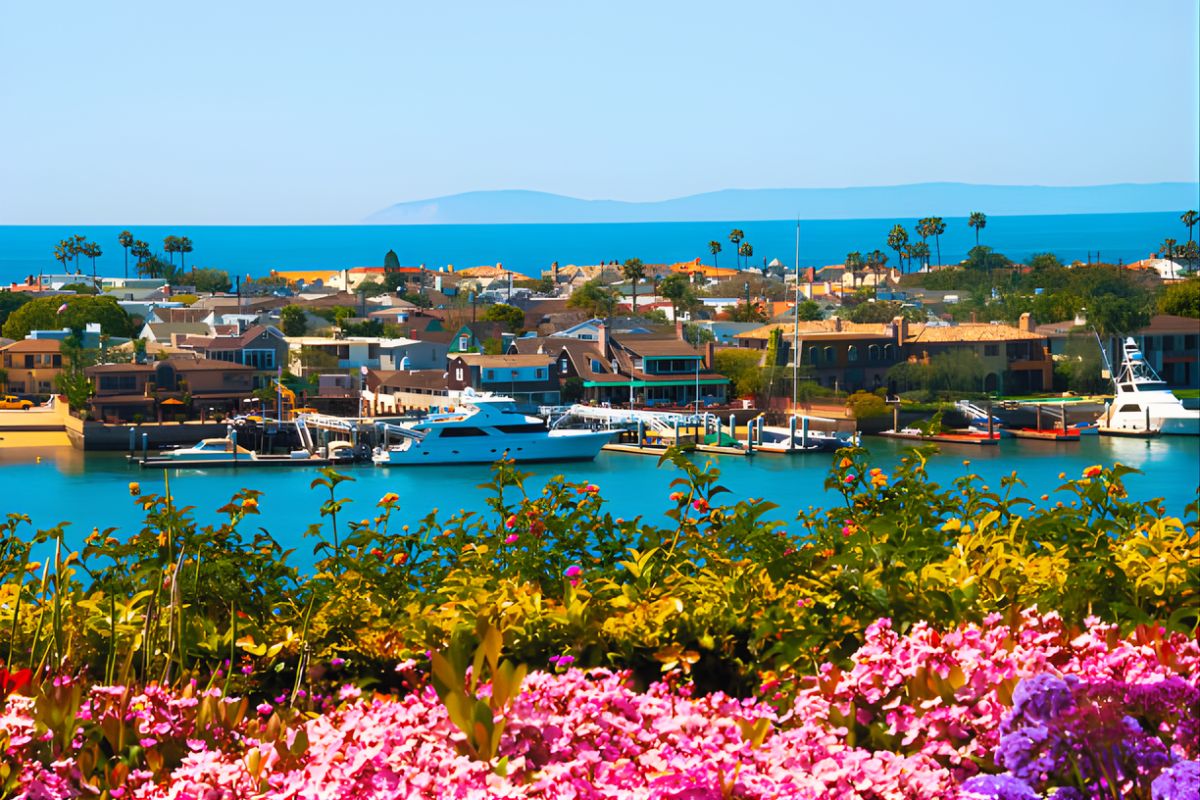
Median Household Income: $195,000+
County: Orange
Notable for: Ownership-based wealth
Newport Beach wealth isn’t about paychecks.
It’s about businesses, real estate portfolios, and long-held investments that compound quietly.
Real estate:
Luxury coastal and waterfront properties anchor values.
Who lives here: Business owners, investors, and multi-generation wealth families.
10. Beverly Hills
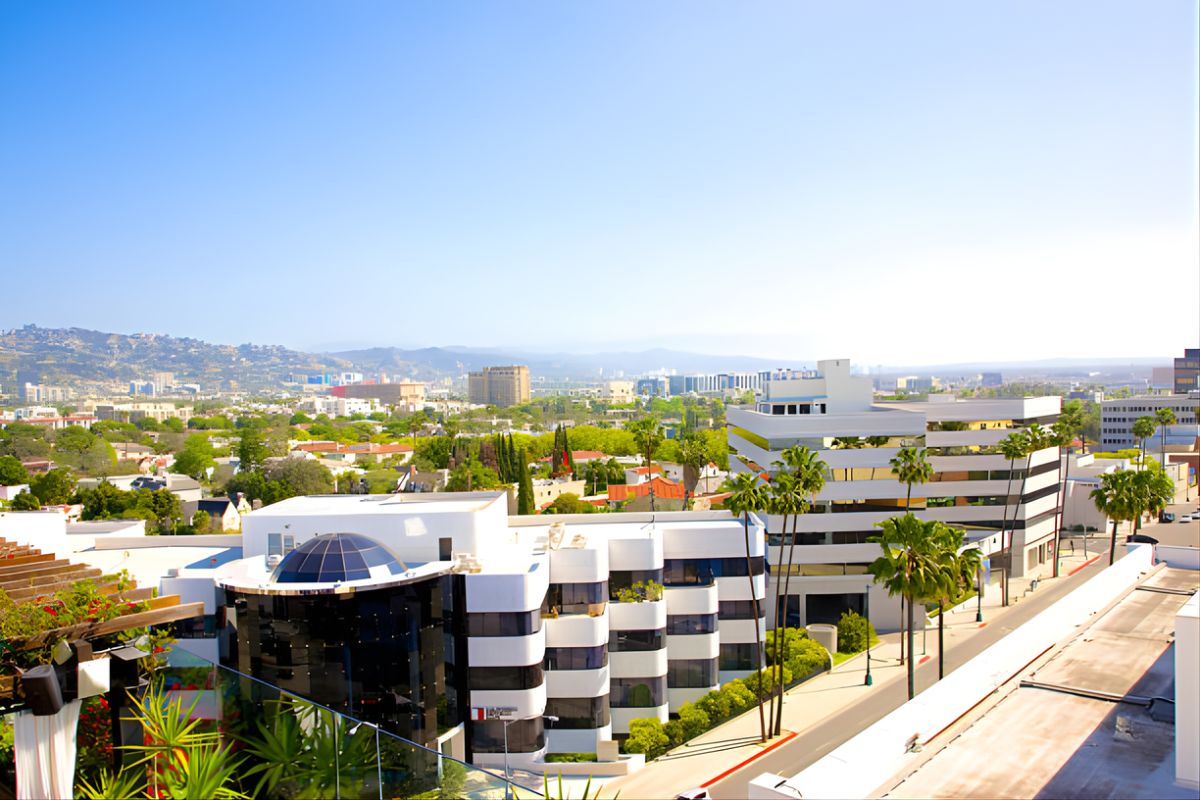
Median Household Income: $190,000+
County: Los Angeles
Notable for: Entertainment wealth, global buyers
Beverly Hills still belongs here, just not because of averages.
Extreme wealth at the top pulls the city into elite territory, even when median figures look modest by comparison.
Real estate:
Prime properties that continue to attract domestic and international buyers.
Who lives here: Actors, producers, executives, investors, and global property owners.
One last thing
One thing becomes obvious after laying all this out. These places didn’t stumble into wealth. And they didn’t chase it either. They shaped themselves in ways that made money comfortable staying put.
Tight zoning. Limited building. Schools people obsess over. Streets where nothing much happens. That combination keeps working, year after year.
Some of these cities feel frozen in time. Others keep changing on the surface while the numbers underneath stay stubbornly high. Either way, the pattern holds.
And if you’ve ever driven through one of these towns and thought, Nothing’s going on here, that’s probably the point.
Sources
- U.S. Census Bureau – American Community Survey (ACS)
Used for household income ranges, population estimates, and demographic data. Note that ACS income tables cap reported medians for very high-earning cities. - Internal Revenue Service – Statistics of Income (SOI)
County-level adjusted gross income data used to understand income concentration where Census medians are limited. - Zillow Research & Housing Market Data (2024–2025)
Referenced for home value trends, housing supply constraints, and long-term pricing behavior in high-income California cities. - California Department of Finance – Demographic Research Unit
Used for city population estimates and regional economic context. - County-level economic and housing reports
San Mateo, Santa Clara, Los Angeles, and Orange County public data portals were used to cross-check income trends, zoning limits, and housing stability through late 2025.
Data compiled from publicly available sources and reports current as of January 2026. Income figures reflect ranges and estimates where exact medians are not publicly reported.
Read Also: Inside Taylor Swift’s Carefully Chosen Tribeca Home