I still recall sitting in a cramped, windowless briefing room in Washington about 15 years ago. The place reeked of burnt coffee and overheated projector bulbs running too long. There was an almost resigned mood then. All of the experts gathered around the table were fixated on one powerful concept: the slow decline of the West. We gazed at graphs that illustrated China’s rapid economic ascent while our infrastructure seemed weary or worn, and the palpable mood in the room was undeniable. It truly felt like we were witnessing the final chapters of the American Century play out in real time.
Jump ahead to late February 2026, and the atmosphere feels completely different. Something has shifted. The world seemed ready for the United States to fade quietly into the background, but instead, it looks like the country has hit a reset. This isn’t about simply hanging on anymore. There’s a sense that the rules themselves are being rewritten. When you look at the early data coming out of the first quarter of 2026, the real question becomes impossible to ignore: Is the United States entering a second era of superpower dominance?
I have been watching global power shift, grow, and recede for most of the past two decades. I have watched countries overestimate themselves, and I have seen (some) others lose momentum without even being aware. What’s happening now doesn’t resemble the loud, swaggering dominance people associate with the 1950s. It’s different. Quieter.
It’s digital. It’s built on silicon and satellite constellations. And honestly, it’s a lot more resilient than anyone predicted during the gloomy days of the 2010s.
The Operating System of the Modern World
People love to talk about “de-dollarization” like it’s a foregone conclusion. You’ve seen the headlines. Brazil, Russia, and China are trying to build a new clubhouse. But here’s the thing. In the real world, when things get shaky, everyone still runs to the greenback.
As of early 2026, the U.S. dollar still makes up about 58% of global foreign exchange reserves. Sure, that’s down from the 70s, but who’s the runner-up? The Euro is a distant second, and the Yuan is barely a blip at around 3%.
Being the world’s “safest house in a bad neighborhood” is a massive structural advantage that doesn’t just evaporate because of a few trade agreements in the Global South.

Read More: Do Midterm Elections Affect The President in 2026? – Here’s How It Actually Works
But the real “Second Era” juice isn’t just in the banks. It’s in the “Technological Iron Dome” we’ve built. While the rest of the world was figuring out manufacturing, American companies like NVIDIA and OpenAI basically seized the keys to the future.
We aren’t just making the chips; we’re defining the intelligence that runs on them. When you control the AI that designs the next generation of fighter jets and the biotech that cures the next pandemic, you don’t need to occupy a country to influence it. You just need to be their provider.
The “Decline” Myth vs. Structural Reality
I hear it at every dinner party. “The U.S. is polarized. The debt is too high. We’re losing our grip.”
Listen, I’m not saying we don’t have problems. Our domestic politics are a mess. Walking through D.C. these days feels like being on the set of a high-stakes soap opera. But don’t mistake noise for weakness. While we argue on TV, our private sector is quietly out-innovating the planet.
The IMF recently pointed out that while China leads in Purchasing Power Parity (PPP) at 20% of global output compared to our 15%, that’s a metric for “stuff.” It measures how many tons of steel you can buy. It doesn’t measure how much “High-Income Innovation” you can generate. As noted in a recent Guardian analysis, America’s “undying empire” isn’t built on being the cheapest. It’s built on being the smartest and the best protected.
Anyway, the military part of this is equally lopsided. We have 750 bases in 80 countries. Nobody else comes close. Not even in the same zip code. We can put a carrier strike group anywhere on the map quicker than most folks out there can get a pizza delivered. That kind of global reach is a huge deterrent that keeps the global supply chain flowing, even when tensions spike in the South China Sea.
Who Is Actually Winning the 2026 Power Race?
If you want to move past the vibes and look at the numbers, the 2026 scoreboard is pretty clear. We’re in a “bipolar” world, but the poles aren’t equal.
| Category | United States | China |
|---|---|---|
| Defense Budget | $921 Billion | ~$251 Billion (Estimated) |
| Nominal GDP | ~$29 Trillion | ~$19 Trillion |
| AI Leadership | #1 (Core Research) | #1 (Mass Scale) |
| Alliances | 50+ Formal Treaties | Mostly Economic Partnerships |
The big “unique” angle here is that we’ve learned to play well with others again. Under the current “National Defense Strategy,” we aren’t trying to do everything alone. We’re building a massive network of allies—AUKUS, the Quad, and expanded NATO.
We’re the hub of a giant wheel. China, for all its economic might, is mostly a lone wolf. And in a globalized world, the guy with the most friends usually wins.
The Next Contenders: Who Else is in the Ring?
Read More: Is the US Going To War With Iran? What The January 2026 Signals Really Say
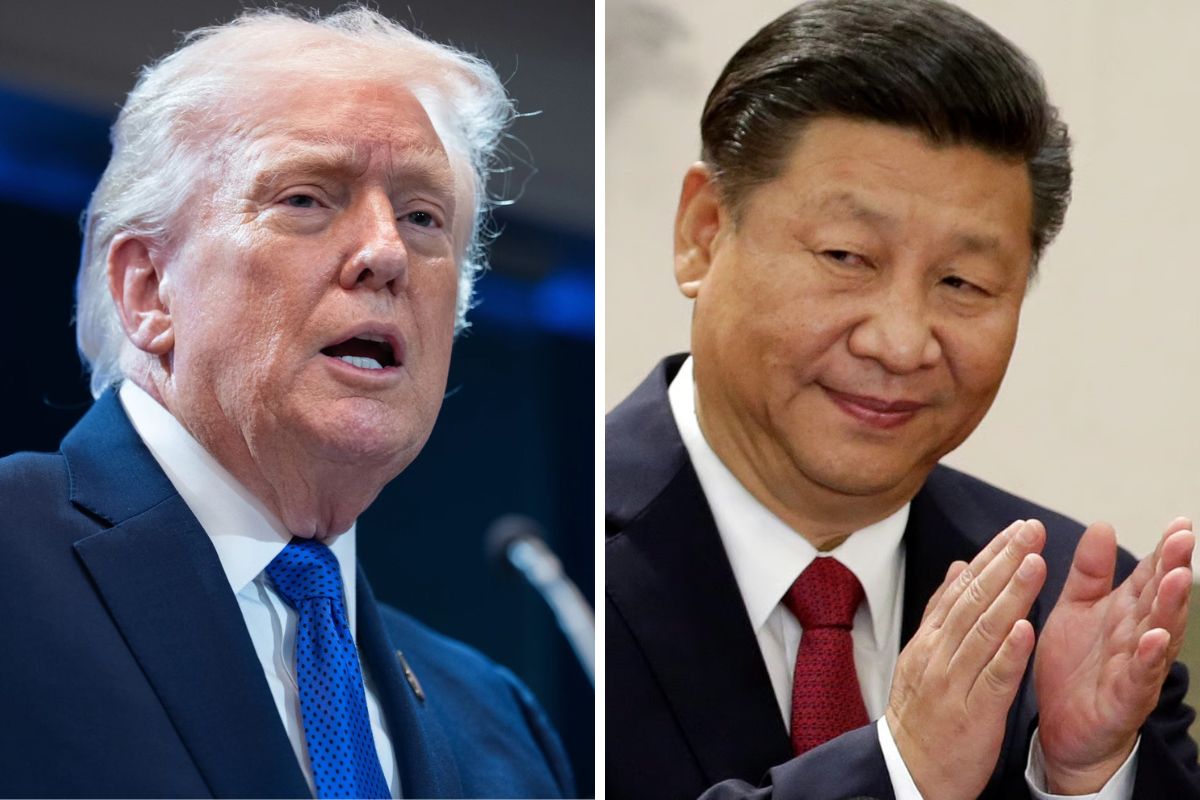
China remains the primary challenger, but it is hitting a wall. Their population is aging faster than a forgotten loaf of bread, and their “growth at all costs” model is stuttering. Then you have India. By 2050, they’ll have the largest workforce on earth. They are the “wildcard superpower.” If India aligns fully with the West, the game is over. If they stay neutral, they become the kingmaker of a multipolar world.
And don’t count out the EU. When they actually get their act together on defense and tech, they represent a massive economic bloc. But right now, the U.S. is the only one with the “full package”—military, money, and the most addictive culture on the planet.
Looking Toward 2050: Three Paths for the Republic
I spend a lot of time thinking about what my kids’ world will look like when they’re my age. By 2050, the concept of a “superpower” might not even mean “ruling” anymore. It might just mean “leading the network.”
- The Dominant Leader: We nail the fusion energy transition, keep our AI lead, and fix our bridges. This is the “Reset” scenario, where we dominate the 21st century just like we did the 20th.
- The Fragmented Fortress: We get so sick of our own politics that we pull back. We stay rich, but we let the rest of the world figure it out. We become a high-tech island.
- First Among Equals: This is the most likely. A world where we lead a team of democracies. We don’t give orders anymore, but we’re still the captain of the squad.
Frequently Asked Questions
Is the U.S. still the only superpower?
Technically, we’re in a multipolar world now. China is a superpower in terms of manufacturing and regional influence. But we’re still the only “Global Superpower” that can act anywhere, anytime.
What is the biggest threat to American dominance?
Honestly? Us. Our internal polarization makes us look unpredictable to our allies. If they can’t trust us to stick to a deal for more than four years, they’ll find other partners.
Does GDP tell the whole story?
Not even close. You can have a huge GDP and still be a developing nation. Power in 2026 is about “chokepoints”—who controls the internet, the satellites, and the banks.
The Final Word
So, are we entering a “Second Era”?
I think the answer is yes, but it’s going to look different. It won’t be about the Marshall Plan or stationing thousands of troops in every corner of the globe. It’s going to be about who controls the algorithms and the energy.
We’ve gotten through the “Decline” narrative because we’re wired to adapt. We destroy things, we fight, we fail, and then we build something better. We are not the nation we were in 1945, and that is a good thing. The “American Sequel” has only just begun, and if the past few years have shown me anything, it is that you should never bet against a nation that’s obsessed with reinventing itself.
Anyway, do you think we can actually fix our internal politics enough to lead the rest of the world, or are we destined to be a “fortress” instead? It’s a tough call, but watching the tech sector lately, I’m leaning toward the comeback.
Sources and References
- International Monetary Fund (IMF): World Economic Outlook (February 2026 Update)—GDP based on PPP and Nominal Share—The definitive source for the “15% vs 20%” PPP gap and the current $29 trillion U.S. nominal GDP projection.
- Council on Foreign Relations (CFR): How the World Is Seeing the United States as 2026 Begins—A detailed analysis of the “American Sequel” sentiment and anonymous perspectives from global leaders on U.S. institutional influence.
- Stockholm International Peace Research Institute (SIPRI): 2026 Global Military Expenditure Database—Verified data on the $921 billion U.S. defence budget and the comparative analysis of China’s $251 billion declared spending.
- Australian Strategic Policy Institute (ASPI): The 2026 Critical Technology Tracker: AI and Semiconductor Monopoly Risk—The primary dataset for the “Technological Iron Dome” argument, tracking leadership in 74 critical technologies, including Generative AI and Quantum Computing.
- The Brookings Institution: Is the US Dollar’s Reserve Currency Status Eroding? (Feb 2026 Analysis)—A technical breakdown of the 58% reserve share and the lack of viable currency alternatives in the current global market.
- The Guardian: America’s Undying Empire: Why the Decline of US Power has been Greatly Exaggerated—A narrative-driven look at the structural resilience of American soft power and innovation.