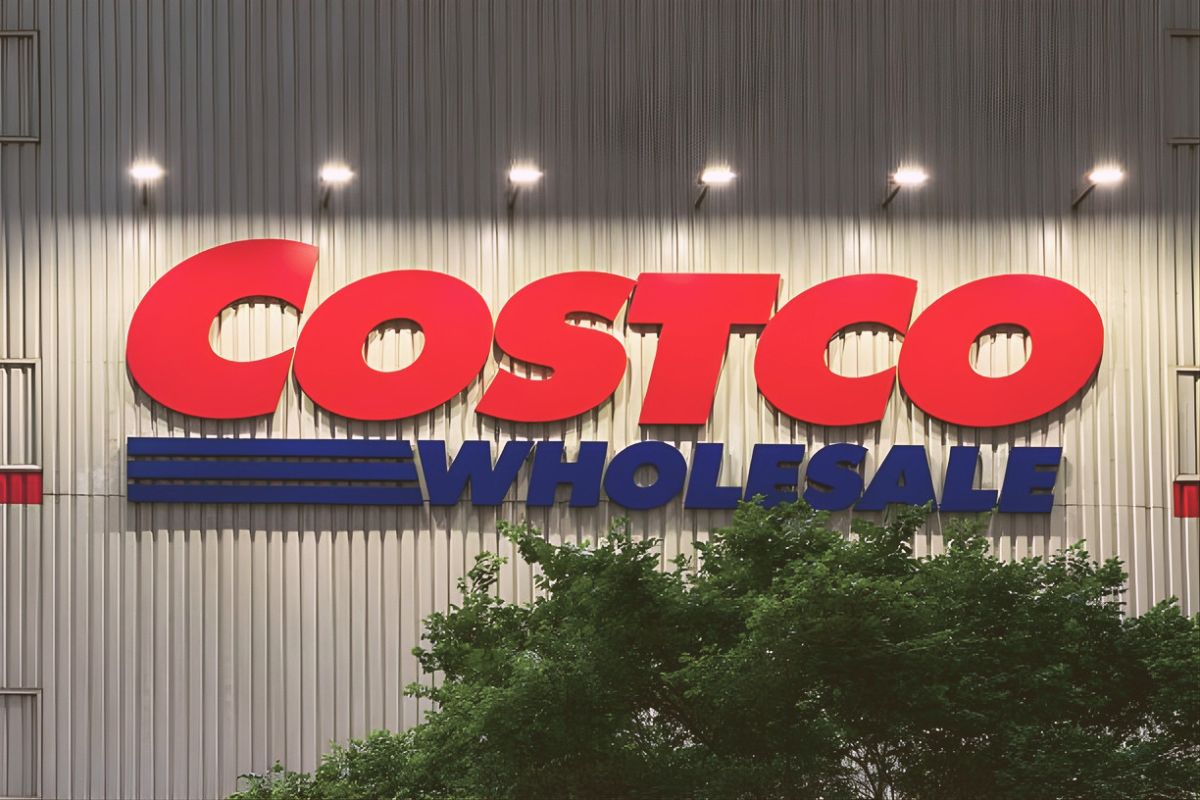
The landscape of American bulk shopping is undergoing a seismic shift this year. While many still associate warehouse clubs with a specific $1.50 hot dog combo, the reality of March 2026 is far more high-stakes. Who Is Competing With Costco? Rivals Launching Massive Stores across the Sunbelt and suburban corridors are fundamentally changing how families stock their pantries. For decades, the Issaquah-based giant seemed untouchable. However, a combination of membership price hikes and a sudden surge in “checkout fatigue” has opened a massive door for competitors.
These rivals aren’t just opening smaller shops; they are building sprawling complexes that aim to out-tech and out-maneuver the gold standard of wholesale. From AI-powered exit gates that eliminate receipt lines to specialized “market” footprints, the battle for the suburban wallet has never been more intense.
Key Takeaways for 2026 Warehouse Shopping
- Sam’s Club Tech Dominance: AI-powered exit technology is now live across all locations, removing the need for manual receipt checks.
- BJ’s Southern Expansion: An aggressive push into Texas and Florida with smaller, hyper-efficient “BJ’s Market” stores.
- The Aldi Threat: A massive 3,200-store expansion plan is targeting high-income neighborhoods with private-label goods that mimic Kirkland Signature quality.
- Membership Shifts: Rivals are leveraging deep discount membership promos to capitalize on recent Costco fee increases.
Sam’s Club and the Death of the Checkout Line
Perhaps the most direct threat to Costco’s dominance comes from Bentonville. Sam’s Club has stopped trying to be a “Costco clone” and has instead pivoted to become a technology leader.
In a major move for 2026, every single Sam’s Club location has finished its rollout of AI-powered exit technology. This means the infamous line of shoppers waiting for a highlighter-wielding employee to check their receipt is gone.
The strategy is working. By using computer vision and digital sensors, the Costco rival launches megastore environments where a shopper can scan items on their phone, pay in the app, and simply walk out.
The Economic Times reports that these tech upgrades are a core part of a massive overhaul designed to lure away younger, tech-savvy families who value time over the “treasure hunt” experience.
Furthermore, Sam’s is opening six new physical megastores this year in high-growth zones like Lathrop, California, and Lebanon, Tennessee.
BJ’s Wholesale and the “Texas Takeover”
While Sam’s Club goes for tech, BJ’s Wholesale Club is going for territory. Traditionally an East Coast powerhouse, BJ’s has spent the early months of 2026 planting flags in the South. The focus is specifically on the Dallas-Fort Worth metroplex.
According to industry data from The Packer, BJ’s is on track to add up to 30 new clubs by the end of the fiscal year.
The unique angle for BJ’s is the “Market” concept. Many shoppers find a 150,000-square-foot warehouse exhausting for a simple milk-and-eggs run. BJ’s is counter-programming with smaller, high-efficiency stores that still offer bulk pricing but in a footprint that feels more like a standard grocery store.
This “Goldilocks” approach—not too big, not too small—is specifically designed to peel off Costco members who are tired of the two-hour weekend odyssey.
The Aldi Expansion: Private Labels for High Earners
It might seem odd to list a German discount grocer as a rival to a massive warehouse club, but the math doesn’t lie. Aldi’s current U.S. expansion is a direct shot across the bow for anyone wondering who is competing with Costco? Rivals Launching Massive Stores. Aldi is currently on a path to reach 3,200 stores by 2028, with a heavy focus this year on high-income markets like Phoenix, Las Vegas, and Denver.
The overlap is in the “Kirkland Effect.” Much like Costco’s fans are loyal to the Kirkland brand, Aldi shoppers rely on private labels that often beat national brands in blind taste tests.
By offering these high-quality items without a $65 or $120 annual membership fee, Aldi is capturing the “bulk mindset” shopper who is starting to feel membership fatigue. TheStreet has detailed how this footprint growth is specifically placed to intercept suburban drivers on their way to the larger warehouse clubs.
Fresh Food Wars: Sushi, Pizza, and Rotisserie
If you’ve walked into a Sam’s Club lately, you might have noticed a smell that isn’t just cardboard and tires. In a bid to take on Costco’s legendary food court, Sam’s has launched nationwide pizza delivery and in-house sushi stations. These aren’t just small additions; they are major investments in “ready-to-eat” categories.
By offering a $8.98 pizza delivered to the curb or fresh-rolled sushi, Sam’s is attacking Costco where it hurts—convenience. While Costco’s rotisserie chicken remains a loss-leader staple, the sheer variety of prepared foods at these new megastores is becoming a major selling point for busy parents. This service-heavy model is a clear attempt to make the warehouse more than just a place to buy 48 rolls of toilet paper; it’s becoming a daily food destination.
Why 2026 is the Year of the Warehouse Rivalry
So, why is this happening now? The answer is “Membership Fatigue.” Costco recently reported $65.98 billion in Q1 sales, which sounds great until you look at the churn of members who are balking at the latest fee increases.
When a Costco rival launches megastore locations with $15 introductory membership promos and better mobile apps, people notice.
Shoppers are increasingly unwilling to wait in long lines for gas or checkout when a competitor offers a “Scan and Go” experience. The era of the “Loyalty Monopoly” is fading. People are now “club hopping,” keeping a Costco membership for specific items but doing their weekly bulk shopping at Sam’s or BJ’s because the technology makes the trip 30 minutes shorter.
FAQ
Does Sam’s Club really have no checkout lines?
Yes. Using the “Scan & Go” feature in their app, you scan items as you put them in your cart. You pay on your phone, and a digital sensor at the door verifies your purchase. No more waiting for a cashier or a receipt checker.
Is BJ’s Wholesale cheaper than Costco?
It depends on the category. BJ’s often has lower membership fees and offers more “manufacturer coupons” that can be stacked with their own discounts, whereas Costco relies almost exclusively on its own “Instant Savings.”
What makes Aldi a competitor if they don’t sell in bulk?
While you won’t find a 5-gallon tub of mayo at Aldi, their “Aldi Finds” aisle and private-label snacks compete directly with the quality of Kirkland Signature products. For many, the lack of a membership fee makes it a more attractive frequent-stop option.
Where is BJ’s opening its new stores?
The 2026 expansion is heavily focused on the South, particularly Texas, Florida, and Tennessee. They are trying to capture the massive influx of people moving to the Sunbelt.
Final Thoughts
The battle for the title of “Warehouse King” is far from over, but the walls around the Issaquah fortress are being tested. Whether it’s through AI technology that respects a shopper’s time or smaller store footprints that respect their energy, the rivals are catching up. Who is competing with Costco? rivals launching massive stores is no longer a hypothetical question; it’s a reality found in every new construction site in North Dallas or Central Florida. For the consumer, this competition is a win. Better tech, lower fees, and more choices mean the days of “take it or leave it” warehouse service are officially behind us.
So, do you really want to stand in that 20-minute receipt line this weekend, or is it time to see what the competition is building down the road?
Sources & References
- TheStreet: Expansion Plans of Huge Costco Grocery Rivals
- Economic Times: Inside the 2026 Overhaul of Sam’s Club
- The Packer: BJ’s Wholesale Expansion into Texas Markets
- Mashed: Physical Expansion of Grocery Chains in 2026
Recommended