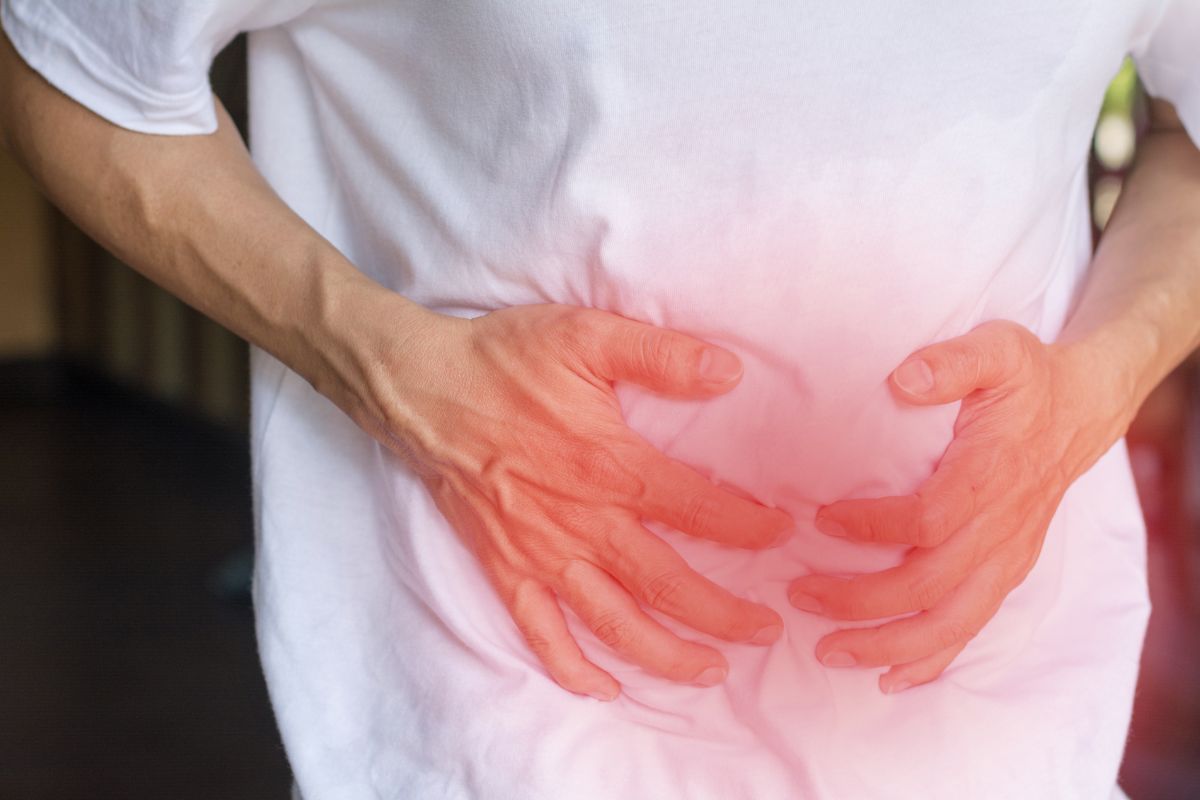
Honestly, it’s a question that keeps more people awake than the actual heartburn does. As someone who has spent over a decade working alongside gastroenterology specialists and seeing the fallout of “silent” reflux, I can tell you that the fear is real. And while you won’t die from just one spicy taco tonight, the danger is much more complex than a simple “tummy ache.” We’re talking about a physiological crash that occurs when your body’s defenses go on strike as soon as your head hits the pillow.
By late February 2026, the emphasis has changed within the medical community. We’re no longer considering reflux merely a lifestyle irritant. New data from Ubie Health and other major 2026 health portals suggest that “night choking” is a high-priority alarm for systemic failure. If you’ve been living on a diet of antacids and hope, it’s time we had a blunt conversation about what’s actually happening in your esophagus while you’re out cold.
The Midnight Strangle: Why Your Airway Shuts Down
Here is the thing about being awake: gravity is your best friend. When you’re standing up, the acid stays in the bucket. But the second you lie flat, that bucket tips over. In my years of careful observation of patients, the most frequent “near-miss” isn’t a heart attack—it’s a laryngospasm.
You can think of laryngospasm as a seizure of the vocal cords. Your brain panics when that caustic stomach acid creeps up and hits your larynx. It thinks you’re drowning. To safeguard your lungs, the vocal cords close tightly. Tight. You wake up unable to make a sound, unable to pull in air, feeling like an invisible hand is squeezing your throat.
Read Also: What Happens if We Eat Kalonji (Nigella Seeds) Daily?
Anyway, the scary part isn’t just the spasm. If you already struggle with something like asthma or COPD, those sixty seconds of suffocation can trigger a massive cardiac event. According to a 2026 clinical guide by Dr. Samir Rahmani, this happens because of three specific “failures” during sleep: your gravity is gone, your swallowing reflex slows to a crawl, and your saliva (which neutralizes acid) basically stops flowing. You are essentially defenseless.
Aspiration: The Silent Lung Burner
There is a much quieter way that reflux can become fatal, and it’s called aspiration pneumonia. You might not even wake up for this one.
Tiny droplets of acid—micro-aspirations—can get sucked into your windpipe while you’re deep in REM sleep. This isn’t just “irritation.” It’s a chemical burn inside your lung tissue. Once that tissue is damaged, bacteria move in for the kill.
The mortality rate for aspiration pneumonia is a sobering statistic, often estimated between 11% and 30%, depending on your overall health. I’ve seen healthy, middle-aged people end up in the ICU because they ignored a “night cough” for six months. They thought it was allergies. It was actually their stomach trying to digest their lungs.
When the Esophagus Finally Gives Up
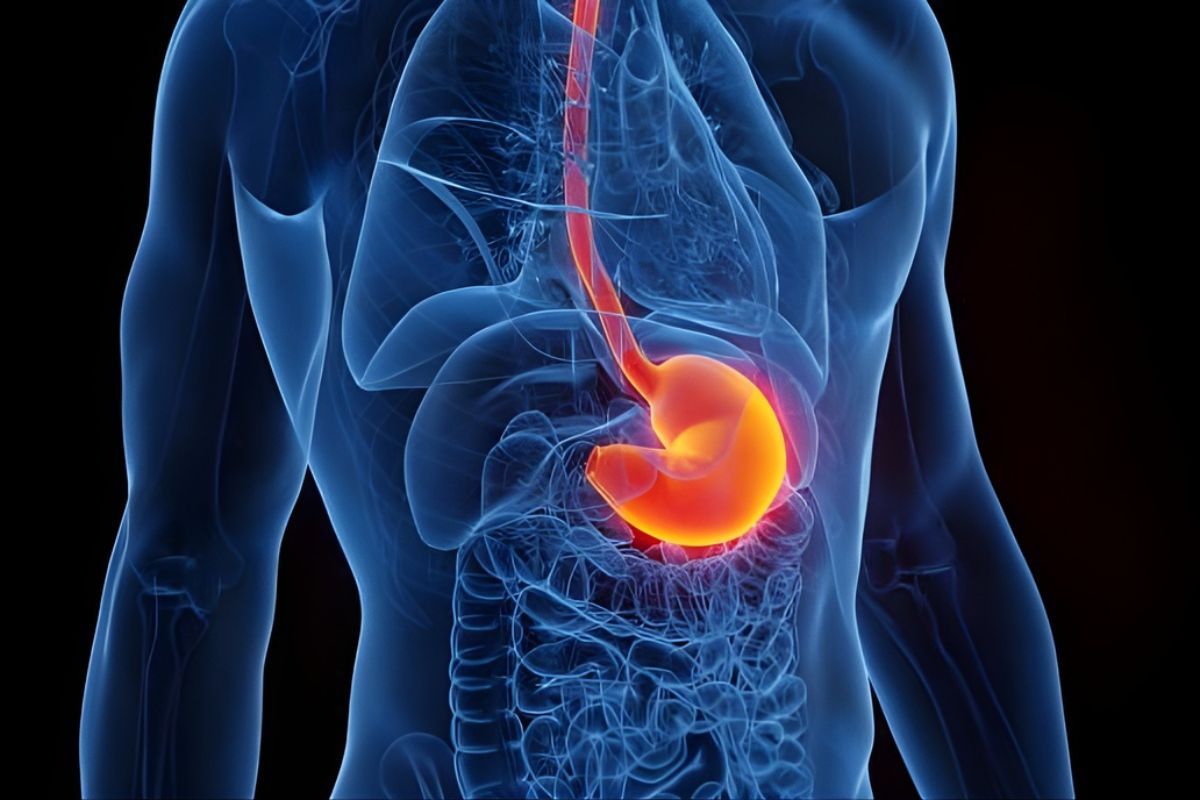
If the immediate choking doesn’t get you, the long-term wear and tear might. Chronic acid reflux isn’t just about “pain”; it’s about structural failure.
- Boerhaave Syndrome: This is the one that keeps surgeons up at night. If your esophagus is weakened by years of acid, a particularly violent bout of midnight vomiting can actually rupture the wall. This lets stomach contents leak into your chest cavity. It’s a 100% surgical emergency.
- Barrett’s Esophagus: This is when your body gets so tired of being burned that it tries to change its own DNA. The cells in your throat start to look like cells from your intestines to survive the acid. The problem? Those cells are highly prone to becoming esophageal adenocarcinoma—an aggressive cancer that has been trending upward in US health data this year.
- Internal Bleeding: Intense inflammation can cause the lining to simply wear away, leading to “coffee ground” vomiting or black stools. It’s a slow-motion medical disaster.
Quick Risk Assessment: Nighttime Reflux vs. Emergency Symptoms
Before we get into how to fix your sleep, you need to know where you stand. I’ve seen people ignore the right column for way too long because they didn’t want to “be a bother” at the ER. Don’t be that person.
| Symptom/Risk | The “Manageable” Version | The “Emergency” Version (Get Help) |
|---|---|---|
| Breathing Issues | Occasional dry cough or throat clearing. | Waking up gasping, wheezing, or unable to speak (Laryngospasm). |
| Swallowing | Mild discomfort after a big, spicy meal. | Dysphagia: Feeling like food is physically stuck in your windpipe. |
| Pain Level | Sharp “burn” behind the breastbone that fades with water. | Intense, crushing pressure that radiates to your arm or jaw. |
| Physical Signs | Sour taste in the mouth (water brash) in the morning. | Vomiting blood or “coffee ground” material; unexplained weight loss. |
| Frequency | Once every few weeks, after “trigger” foods. | More than twice a week for months (High risk for Barrett’s Esophagus). |
Your 2026 Survival Guide: How to Sleep Without Fear
Look, I’m not here to scare you into never sleeping again. But you have to be smart. If you’re asking, can you die from acid reflux in your sleep? “, you’re already at the point where “lifestyle changes” need to be non-negotiable.
First, stop stacking pillows. It’s a myth. Stacking three regular pillows actually kinks your body at the waist, which puts more pressure on your stomach and pushes acid up faster. You need a 6-to-8-inch wedge pillow that elevates your entire torso from the hips up.
Second, the “Left Side Rule” is gospel because of how the stomach is shaped, sleeping on your left side keeps the “hole” (the lower esophageal sphincter) above the level of the acid pool. If you flip to your right side, you’re literally pouring the acid out of the bottle and into your throat.
Red Flags: When to Call the Doctor Tomorrow

Read Also: The Mystery of the Missing Nail: Why Did My Toenail Fall Off Without Pain?
If you see any of these signs, stop reading blogs and book a gastroenterologist. Now.
- You wake up choking or gasping more than once a week.
- You feel like food is “stuck” in your chest (dysphagia).
- You’ve lost weight without trying.
- Your voice is raspy or hoarse every single morning.
- You’re coughing so hard at night that you think you have bronchitis.
FAQ: What Readers Ask Most
Is nighttime reflux more dangerous than daytime?
Yeah, absolutely. At night, you don’t have gravity or active swallowing to push the acid back down. It sits in your throat and does ten times the damage.
Can a heart attack feel like acid reflux?
It happens all the time. If the “heartburn” is accompanied by sweatiness, pain in your left arm, or a crushing feeling in your chest, get to the ER. Don’t play the “is it a burger or a blockage?” game.
Will antacids fix the choking?
They neutralize the acid, but they don’t stop the reflux. Even a “neutral” liquid in your lungs is dangerous. You need to stop the flow, not just change the pH.
How long should I wait to sleep after eating?
In 2026, the standard is the “Three-Hour Rule.” Give your stomach an early start. If you consume a heavy, fatty dinner and go lie down an hour later, you’re just inviting a midnight wake-up call.
The Bottom Line
Chances are, you’re not going to die tonight. The human body is incredibly resilient. But that midnight choking fit? That’s your body’s check-engine light blinking red. It isn’t a “lifestyle quirk” or something that’s just “something that happens when you get older.” It’s an injury.
Try the 45-day challenge: Sleep on a wedge, remain on your left side, and cut out the late-night snacking. If the gasping continues, listen to your gut—literally—and seek professional help. There’s no reason to spend another night wondering if you’re going to be waking up.
Anyway, have you tried that left-side sleeping trick yet, or do you still wake up with that “blowtorch” feeling in your chest?
Sources and References
- Ubie Health Clinical Advisory: Can You Die From Acid Reflux in Your Sleep? (2026 Emergency Red Flags)—A comprehensive breakdown of the “physiological failures” that occur during sleep.
- Manhattan Medical Arts: GERD Risks and Fatal Complications Explained—Expert insights on the long-term risks of aspiration pneumonia and esophageal rupture.
- London Chest Specialist: Impact of Reflux and Aspiration on Lung Disease (Feb 2026 Update)—A specialist report on how “silent” micro-aspiration drives chronic lung damage and infection.
- National Center for Biotechnology Information (NCBI): Gastroesophageal Reflux Disease and Cause-Specific Mortality Study—Large-scale data analyzing the link between severe daily symptoms and overall health outcomes.
- Dr. Samir Rahmani Gastroenterology: Clinical Guide to Managing Chronic Reflux and Nighttime Choking—Practical medical protocols for patients dealing with severe nighttime GERD symptoms.