For thousands of customers around the Southland, that has been the reality this February. The tech giant, after years of efforts to “disrupt” how we purchase our milk and eggs, is halting things. Honestly, it’s kind of like a breakup you knew was coming but hoped wouldn’t. By March 13, 2026, the once-familiar green-and-white logos will be a thing of the past in the local retail landscape.
So, why did the “store of the future” suddenly run out of time? As someone who’s tracked the intersection of big tech and retail for over a decade, I’ve seen plenty of “game-changers” fizzle out. But the Amazon Fresh store closures in Southern California represent something bigger—a massive pivot in how the world’s largest retailer thinks about your dinner plate.
The 45-Day Countdown in the Southland
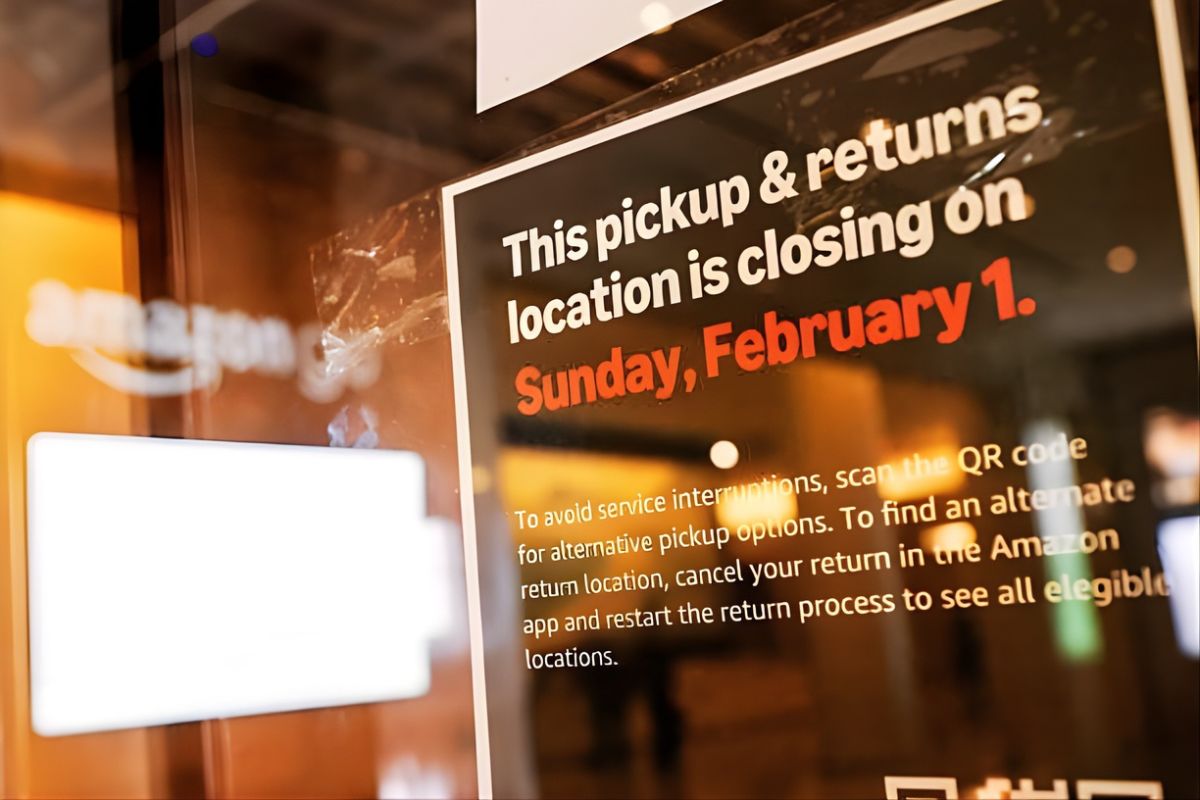
Here’s the thing about California: we have rules that make sudden exits a bit slower. While Amazon Fresh locations in places like Seattle or Chicago shuttered their doors on February 1, our local stores got a 45-day extension. Why? Because of state labor laws requiring longer notification periods for mass layoffs and store shutterings.
The final “lights out” for many of these locations is officially set for March 13, 2026. If you’ve walked into the Long Beach or Pasadena stores lately, you can feel the shift. The shelves aren’t being restocked with the same vigor. The staff—many of whom are facing uncertain futures—are doing their best, but the “Just Walk Out” magic feels a bit heavy these days.
According to a January 27 report from Amazon’s official newsroom, the company is closing all 57 Amazon Fresh and 15 Amazon Go stores nationwide. They aren’t leaving the grocery business, but they are leaving the “Amazon Fresh” physical brand behind.
Where the Carts are Coming to a Halt
Read More: Why Your Golden Eagle Might Cost More: The Truth About Dutch Bros the Tariff Trap
If you’re wondering if your local spot is on the list, the answer is likely “yes.” Almost the entire Southern California footprint is being phased out or transformed. Here is the breakdown of the major Amazon Fresh store closures currently in progress:
- Long Beach (E. Spring St): Final closure set for March 13, 2026.
- Pasadena (E. Colorado Blvd): Scheduled for closure or conversion to Whole Foods.
- Torrance (Hawthorne Blvd): Both the Fresh and Go formats are winding down.
- Irvine (Jamboree Rd): Once a flagship for the tech, now preparing for a shift.
- Woodland Hills (Topanga Canyon Blvd): The original store that started the hype in 2020 is finally bowing out.
- Fullerton & Huntington Beach: Both are on the list for permanent closure in the coming weeks.
Smaller Go convenience stores, like the ones in Whittier and La Verne, actually saw the writing on the wall late last year, with many of those already dark.
The “Just Walk Out” Experiment: What Went Wrong?
I remember the first time I used a Dash Cart. It felt like living in The Jetsons. You put a bag of chips in the cart, the sensors beep, and you just… leave. No lines. No small talk. It was supposed to be the “distinctive customer experience” that CEO Andy Jassy often talks about.
But here’s the reality I’ve observed from talking to industry insiders: the technology was insanely expensive. Maintaining a ceiling full of hundreds of cameras and weight sensors in the shelving is a logistical nightmare compared to a standard barcode scanner.
As reported by Grocery Dive, the economic model just didn’t scale. In a world where grocery margins are already razor-thin, spending millions on “magic” checkout tech didn’t make sense if the customers were still going to Ralphs or Stater Bros for their “real” weekly shopping. We liked the tech, but we didn’t necessarily love the store.
The Silver Lining: The Whole Foods Pivot
If you’re a fan of organic life, there’s actually some good news buried in this retreat. Amazon isn’t giving up on physical stores; they’re doubling down on a brand people actually trust: Whole Foods Market.
The plan involves opening more than 100 new Whole Foods locations over the next few years. In fact, many of the shuttered Amazon Fresh sites in Southern California are already being scouted for conversion. Thousand Oaks has already made the switch.
The strategy is clear: use Whole Foods for the “high-end” physical experience and keep the “Amazon Fresh” name strictly for online delivery. It’s a “back to basics” move. They realized that while we might buy a TV based on tech specs, we buy our tomatoes based on how they look and feel. Whole Foods has that “brand affinity” that Amazon Fresh never quite captured.
What Happens to the Thousands of Affected Workers?
Read Also: Which Classic Restaurant Chains Is Rising from the Grave in 2026?
This is the part that hits home. Across the state, more than 3,000 employees are wondering what’s next. Amazon has stated they are working to place affected associates in nearby Whole Foods or Amazon fulfilment centres.
In California, the new 2026 labor laws have forced a bit more transparency in this process. According to the California Department of Industrial Relations, employers are now under stricter requirements regarding mass layoffs and retraining opportunities. Hopefully, the 100+ Whole Foods stores in the pipeline will give these “Project Dawn” (Amazon’s internal code name for the shift) employees a place to land.
Frequently Asked Questions (FAQ)
Is Amazon Fresh completely going out of business?
No. The physical stores will be shuttered, but the Amazon Fresh brand will live on as an online-only grocery delivery service. However, you can still order using the app.
Why are the California stores staying open longer than the others?
In California, the Cal-WARN Act mandates a lengthier notice period for mass layoffs. That moved the local Amazon Fresh store closures in Southern California to a final date of March 13, 2026.
Will my Amazon Fresh gift card still work?
Yes. Since the online service is staying active, your gift cards and Prime benefits for grocery delivery remain valid.
Which stores are becoming Whole Foods?
While not every location will convert, Amazon has confirmed that “various locations” will be rebranded. Thousand Oaks was one of the first, and more are expected in the Pasadena and Irvine areas.
A Final Thought from the Checkout Aisle
It’s easy to look at this as a failure of technology, but I see it as a victory for the “human” element of shopping. We’re social creatures. We like to see a familiar face at the register, and we prefer a store that feels like a neighborhood institution, not an experiment.
Amazon attempted to make grocery shopping a data-mining endeavor. As it happens, all we wanted was a good deal on avocados and somewhere that didn’t feel like a tech demo.
So, as the doors lock for the last time in Cerritos and Huntington Beach, maybe we’re just heading back to a version of shopping that’s a little more… real.
Anyway, I’m heading out to see whether I can snag one last clearance aisle deal before the 13th. Are you sticking with the delivery app or going back to your local mom-and-pop grocer?
Sources and References
- Amazon Newsroom: A Pivot in Our Physical Grocery Strategy. The official January 27, 2026, announcement confirmed the nationwide closure of Fresh and Go physical banners to focus on Whole Foods expansion.
- California Department of Industrial Relations: Worker Adjustment and Retraining Notification (WARN) Reports. Official state filings detailing the 3,339 affected employees in Southern California and the March 13, 2026, extension for local closures.
- Grocery Dive: The Economic Collapse of the ‘Just Walk Out’ Model. A detailed look at the infrastructure costs and scaling issues that led to the 2026 shuttering of the Fresh brand.
- Long Beach Post: Local Impact: Long Beach Amazon Fresh Closure and Extension. Specific coverage on the Spring Street location and the transition for Southern California staff.
- Los Angeles Times (Business): Retail Shift: Why Amazon is Doubling Down on Whole Foods. The article provides an analysis of the “Project Dawn” transition and the transformation of Southern California sites into Whole Foods banners.
Recommended