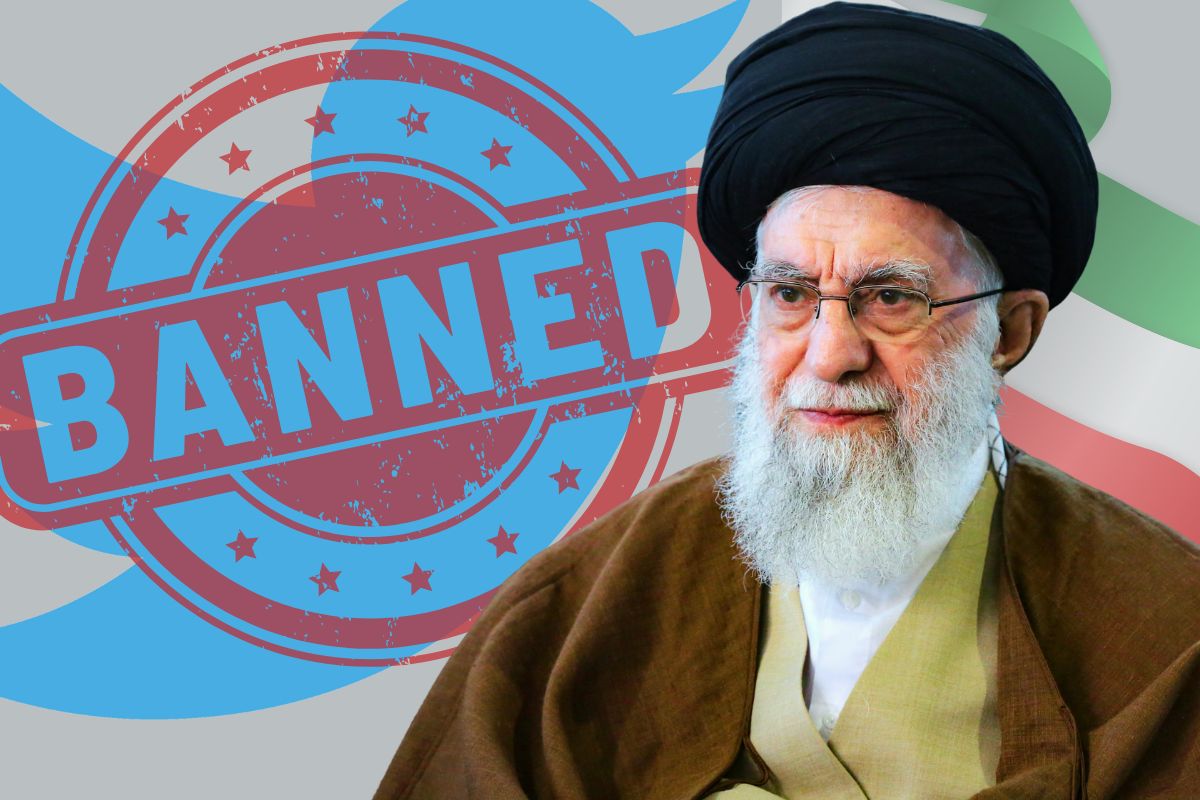
On January 8, 2026, the Iranian government didn’t just block a few apps. They hit a literal kill switch. Everything went dark. Just like that. According to reports from Chatham House, as protests flared up over the currency collapse and inflation, about 90% of international internet traffic in Iran just vanished overnight.
Chatham House, which has been digging into these shutdowns for years, noted that this 90% drop wasn’t just a filter—it was a routing blackout.
I’ve seen blackouts before—2019 was brutal—but experts at The Guardian are calling this a “new high-water mark” for sophistication. They aren’t just blocking URLs anymore. They’re messing with the actual protocols that allow devices to talk to the world. It’s a chillingly precise operation.
One day, you’re trying to message your cousin on WhatsApp, and the next, your phone doesn’t even have a signal. For a lot of people, the digital world just ended.
Internet Apartheid: The Elite and the “White List”
Here’s where it gets really frustrating. While ordinary Iranians are risking jail time just to find a working VPN, the people at the top are tweeting away. In late 2025, an update to X started showing location labels for users. Suddenly, everyone could see that high-ranking officials were posting directly from Tehran—without VPNs.
It’s called “Internet Apartheid.” The regime has created a “White List” or “White SIM cards” for the elite. These lines bypass all the filters. The official story is that these lines are for ‘technical coordination,’ but let’s be real—it’s a digital velvet rope for the regime’s inner circle.”
So, while a student in Isfahan can’t even load a Google search, the Supreme Leader is posting 12 times a day. It’s a “do as I say, not as I do” situation that has people absolutely livid. As noted by NIAC Insights, this isn’t just about tech anymore; it’s a visible, digital class divide.
Why the Ban Never Went Away

So, is Twitter banned in Iran because they hate the tech? Not really. It’s about control. X (Twitter) is where news breaks. It’s where protests are organized. The government sees it as a Western weapon designed to destabilize the state.
Now, technically, some apps like Instagram and WhatsApp were “more available” for a few years, but they’ve been firmly in the crosshairs since the 2022 “Woman Life Freedom” movement. In 2026, the list of what’s actually legal is tiny.
You’ve got domestic apps like Soroush or Eitaa, but let’s be real: nobody trusts them. Everyone knows those apps are basically a direct line to the Ministry of Intelligence.
The War on Starlink
For a while, Elon Musk’s Starlink was the secret back door. Smuggled dishes were popping up on rooftops across Tehran like mushrooms after rain. It was a lifeline. But in early 2026, the government started fighting back with “military-grade” mobile jammers.
I was reading a report from Northeastern Global News that explained it like this: if the internet is a house with one water valve, the government just turned off the main pipe. Starlink was like a secret well in the backyard, so now the government is trying to poison the well.
They’re even reportedly hunting for the physical dishes on rooftops. If you’re caught with one, you’re looking at up to two years in prison. It’s a high-stakes game of cat and mouse.
The Human Cost: More Than Just “No Tweeting”
Listen, we talk about social media like it’s just for memes and hot takes. But in Iran, it’s the economy. IranWire reported that this 2026 blackout is costing the country about $35 million a day. Think about that.
Iran has more than 500,000 shops on Instagram. These aren’t giant corporations; it’s women selling homemade clothes and tutors teaching English. When the internet goes dark, their income drops to zero.
I heard about a garment vendor in Tehran who had to sell her sewing machines just to pay the rent because her Instagram shop was her only door to the world. It’s heartbreaking. The government is, in essence, prioritizing “security” over the actual survival of its people.
What’s Left for the Public?
If you’re wondering what’s actually left on an Iranian’s phone right now, the answer is “not much.”
- X (Twitter): Strictly banned since 2009.
- Facebook/YouTube: Banned.
- Instagram/WhatsApp: Effectively unusable since January 2026.
- Local Apps: Developed by the state and distributed, though aggressively boycotted.
People still attempt to use VPNs, but the government is increasingly cracking down on them as well. It’s a multi-layered system of censorship that makes the “Great Firewall of China” seem nearly porous by comparison.
A Profound Digital Silence
So, where does this leave everyone? Honestly, it’s a grim picture. As we move through February 2026, the internet is slowly being restored in some areas, but it’s not the internet we know. It’s a “degraded” version. It’s slow. It’s monitored. And it can be cut again at any second.
The dream of an open, global web is being replaced by a state-controlled “Intranet.” It’s about making the global internet a “privilege” for the few rather than a right for the many.
When you ask, ‘Is Twitter banned in Iran?’ ‘What you are actually asking about is, what does freedom look like now that we have technology? ‘ And at the moment, that future is behind quite a thick, quite dark curtain.
It makes you wonder, doesn’t it? What would be left if one switch could erase all your digital life? In the case of Iranians, it’s their voices—and they are still trying to make them heard, even if that means having to shout over a wall of silence.
Next time you’re annoyed that your Wi-Fi is acting up for five minutes, just remember there’s a whole country currently fighting for a single kilobyte of truth. Makes you think, right?
Sources & References
- The Guardian: Iran’s internet shutdown is chillingly precise and may last some time—expert analysis on the January 2026 “high-water mark” of censorship sophistication.
- Chatham House: Iran’s internet shutdown signals a new stage of digital isolation—Strategic overview of the shift toward a tiered, “white list” internet architecture.
- IranWire: $35.7 Million a Day: The Hidden Cost of Iran’s Internet Blackout—Economic data and official government statements regarding the 20-day total shutdown.
- NIAC Insights: The “White Internet” Controversy—Detailed report on the location-label update that exposed the dual-tier internet system.
- Cloudflare Blog: What we know about Iran’s Internet shutdown—Technical breakdown of the 90% drop in international traffic observed on January 8, 2026.
- Amnesty International: Internet shutdown in Iran hides violations—A human rights perspective on the correlation between digital blackouts and state crackdowns.
Recommended