If you’ve been watching mortgage rates the way people watch a storm radar, you’re not alone.
One week it feels like things are calming down. The next week, a new headline hits, the bond market twitches, and suddenly your lender’s quote is higher again. It’s exhausting. And for anyone trying to buy a home, refinance, or even just plan a move, it’s also personal. This isn’t “market talk.”. This is “Do we keep renting?” talk. This is “Can we afford the payment if the rate moves a quarter point?” talk.
So let’s deal with the question straight.
Will mortgage rates go down in 2026?
They might. But not in a magic, overnight way. More like a slow release of pressure. The kind where you look back six months later and realize, oh wow, that’s actually lower.’
As of early January 2026, a lot of forecasts and market trackers point to a gradual drift downward, with dips under 6% possible at times. LendingTree’s January 2026 update says rates could slide below 6% temporarily during 2026, after hitting a low around 6.15% at the end of 2025, with a “slow, gradual decline” being the vibe.
But here’s the thing. Even if rates ease, the housing market doesn’t suddenly become “cheap”. Lower rates can pull more buyers off the sidelines, and that can keep prices firm. So it’s not just “rates down = life easier.” It’s more like “rates down = the math changes”, and you still need a plan.
So, here we break it down for you.
What’s Been Happening With Mortgage Rates Lately?
Rates fell through 2025, but they didn’t fall gently. It was more like a staircase. Down a bit, pause, bounce, down again.
That kind of movement tracks with what a lot of people saw in real life: a friend locked at one number in September, another friend got a better quote in November, then a cousin tried in December and still couldn’t swallow the monthly payment.
LendingTree’s January 5, 2026 update puts average 30-year rates around the low 6% range at the time, and it notes the broader trend: 2025 cooled compared to the peak years, but rates stayed elevated compared to the ultra-low pandemic period.
If you’re sitting there thinking, “Yeah, but I remember 3%,” you’re remembering the exception, not the rule. And that’s why so many homeowners got stuck in place. Selling a home with a 3% mortgage, just to take on a 6% one feels like voluntarily paying more for the same lifestyle. People don’t do that unless they have to. That’s the lock-in effect everyone keeps talking about.
What Factors Will Control Mortgage Rates in 2026?
A mortgage rate isn’t set by the president. It isn’t set by a single bank. It’s not even set directly by the Federal Reserve.
It’s more like a chain reaction.
The Fed’s Moves
When the Fed cuts or holds, it directly affects things like credit cards and adjustable-rate mortgages more than fixed rates. Fixed rates respond indirectly, and sometimes they move before the Fed does because markets guess what’s coming.
LendingTree explains this difference pretty clearly, and it’s worth remembering when someone says, “The Fed cut, so mortgages will drop tomorrow.” Not always.
Inflation
If inflation looks sticky, investors demand more yield to lend money long-term. That pushes rates up. If inflation looks tamer, the pressure eases.
The 10-year Treasury Yield
Mortgage rates tend to follow long-term bond yields, especially the 10-year Treasury, because both are long-duration bets. It’s not a perfect match, but it’s close enough that you’ll see analysts watch it like a hawk.
Housing Supply and Demand
If more homes come onto the market, buyers get choices. If inventory stays tight, sellers keep leverage. LendingTree points to rising inventory year over year but also notes that a huge share of homeowners are still locked into lower rates and hesitant to sell, keeping supply limited.
That mix is why 2026 can be “rates easing” and “still feels expensive” at the same time.
So, Will Mortgage Rates Go Down in 2026?
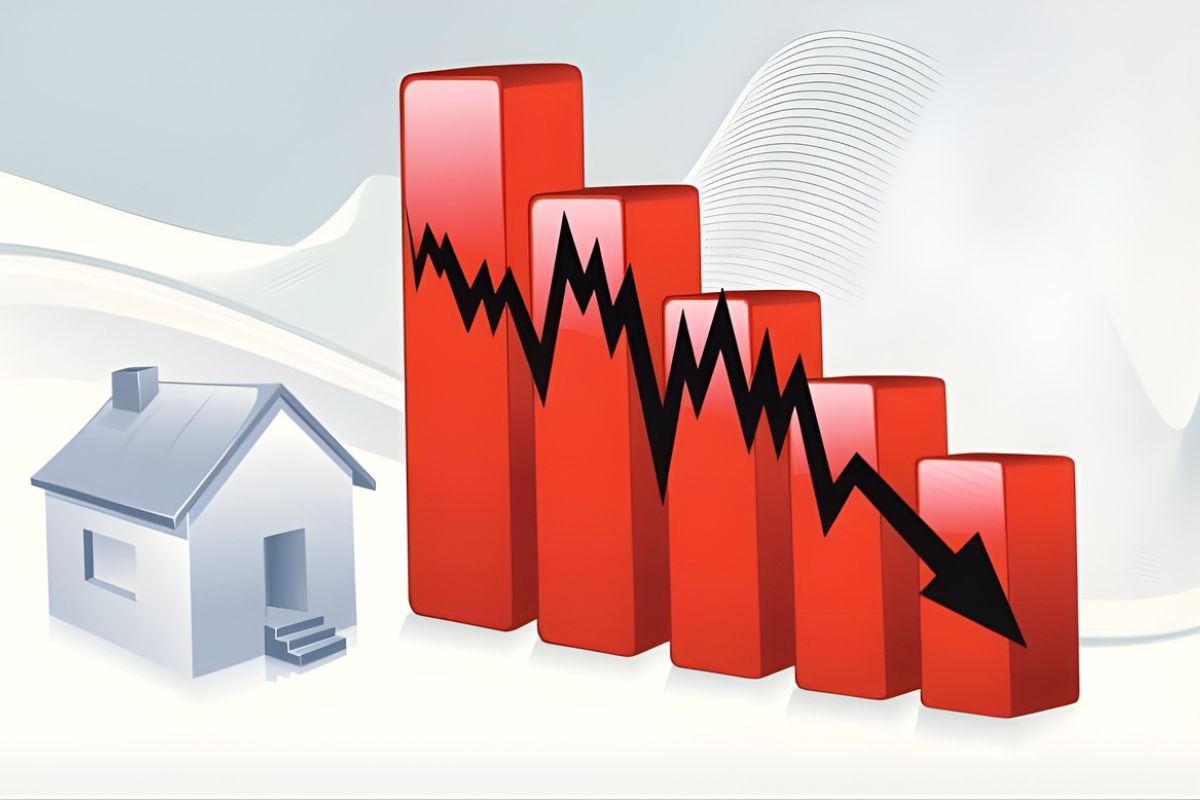
Here’s the honest answer: a gradual decline looks more likely than a surge higher, but nobody can promise you a clean downward line.
Some outlets are already framing 2026 as a year where rates may dip under 6% here and there while still staying historically “normal” compared to the last half-century.
LendingTree’s January 2026 forecast leans into that idea, calling out the chance of rates temporarily dropping below 6% during the year.
And that matters because 6% is a psychological line for a lot of buyers. Not because 5.99% is magical, but because it feels like progress after years of 6s and 7s.
If you’re hoping for 4% in 2026, the same LendingTree piece is pretty blunt: that’s unlikely without a major shock.
So if you’re trying to plan like a grown-up, plan for “slightly better”, not “back to 2021”.
Three possible 2026 Scenarios
The “Soft Landing” Path
Rates drift down slowly. Inflation cools but doesn’t vanish. The Fed stays cautious. You see opportunities, but you don’t see miracles. This lines up with the “slow, gradual decline” language cited by LendingTree’s analyst comments.
The “Something Breaks” Path
A recession, a sharp jump in unemployment, or a major financial stress event can push rates down faster. But that’s not a win for regular people. If rates drop because the economy cracks, job security gets shaky too. Cheap money doesn’t feel so comforting when layoffs start.
The “Stubborn Inflation” Path
If inflation reaccelerates, markets could push yields up again. LendingTree even flags tariffs as one thing economists worry could add inflation pressure over time, which can feed into mortgage rates.
In other words, rates don’t move in a vacuum. They move with the story the economy is telling.
What a Lower Rate Does to Your Monthly Payment
This is where it gets real.
Even small moves matter because mortgages are huge loans over a long time. LendingTree gives a very concrete example: on a $500,000 home with a 30-year mortgage, dropping from 7% to about 6.20% cuts the monthly payment by roughly a couple hundred dollars. That’s grocery money. That’s daycare money. That’s “okay, we can breathe” money.
So yes, if rates slide during 2026, affordability can improve.
But also, if more buyers jump back in, sellers might raise prices or hold firm. So you’re not only racing rates. You’re also racing competition.
If You Own a Home, Is 2026 a Refinance Year?
For many people, 2026 will feel like the first real refinance window in a while.
LendingTree points out that refinance activity has already picked up as rates dropped, citing a big jump in refinance volume versus the prior year from MBA weekly data.
Here’s the practical rule people use, even if it’s not perfect: refinancing starts to make sense when you can cut your rate by around 0.75% to 1% and you plan to stay long enough to recover closing costs. Some lenders and analysts talk in basis points, but the idea is simple. If the payment drop is meaningful and the breakeven period isn’t forever, you run the numbers.
Also, don’t ignore the emotional side. A refinance isn’t just a spreadsheet. It can be the difference between feeling stuck and feeling stable.
Should You Buy Now or Wait?
This is where people want one clean answer, and it doesn’t exist. Sorry.
But you can make a smart call based on your situation:
If you buy now, you might accept a higher rate and hope to refinance later if 2026 gives you a better shot. People call that “date the rate, marry the house”. Corny, but the logic holds if you can handle the payment today.
If you wait, you might catch a better rate later in 2026, but you might also face more competition if rates drop and buyers flood back in. That’s the tradeoff.
So ask yourself two questions:
- Can you afford the payment comfortably right now, even if nothing improves?
- If rates fell half a point, would you actually move, or are you waiting out of fear?
Be honest. That answer tells you a lot.
How to Prepare for Rate Changes in 2026
You can’t control inflation. You can’t control the bond market. You can control your file.
- Clean up your credit. The rate gap between “excellent” and “okay” gets brutal when rates are high.
- Lower your debt to income if you can. Even paying down a card balance can shift your approval terms.
- Shop lenders. Seriously. People leave money on the table by taking the first quote.
- Learn the basics of points, buydowns, and rate locks so you’re not nodding along while someone throws jargon at you.
And if you’re close to buying, track rates weekly, not hourly. Hourly will mess with your head.
FAQs
Will mortgage rates drop below 5% in 2026?
Possible, but not the base expectation. Some forecasts talk about dips under 6% at times, not a clean drop into the 4s or low 5s. LendingTree specifically says 4% is unlikely in 2026.
Is 2026 a good year to refinance?
It can be, especially if you bought when rates were higher and you can cut your rate enough to justify the costs. Refinance demand already rose as rates eased, per the MBA referenced in LendingTree’s January 2026 reporting.
How fast can mortgage rates fall?
They can fall quickly during an economic shock, but that usually comes with ugly side effects like job losses. The smoother path tends to be slow and choppy.
Can mortgage rates rise again after they fall in 2026?
Yes. If inflation picks up or markets demand higher yields, rates can climb. That’s why “waiting for the perfect bottom” often turns into waiting forever.
So… What’s the Takeaway?
Hold two truths at once.
First, will mortgage rates go down in 2026? It has a reasonable “maybe, gradually” answer based on early 2026 forecasts and tracking.
Second, even a better rate won’t fix everything. You still need a home price you can live with, a payment you can handle, and a plan that doesn’t depend on luck.
Anyway, if rates dipped under 6% for a stretch this year, would you jump on it, or would you still wait for a number that only exists in your 2021 memories?
Sources and References
- Fannie Mae (Economic and Strategic Research Group)–Fannie Mae ESR Group. (January 13, 2026). Housing Forecast: January 2026.– Predicts the 30-year fixed rate will end 2026 at 5.9%. They also project a significant increase in refinance share, rising to 35% of all originations due to this lower rate outlook.
- Freddie Mac (Primary Mortgage Market Survey)–Freddie Mac. (January 15, 2026). The Average 30-Year Fixed-Rate Mortgage Hits Lowest Level in Over Three Years. Confirmed the weekly average for the 30-year fixed-rate mortgage hit 6.06% in mid-January, a significant drop from 7.04% exactly one year prior.
- Mortgage Bankers Association (MBA)–Fratantoni, M. (December 23, 2025). MBA Solidifies 2026 Forecast. More conservative than Fannie Mae; predicts rates will hover near 6.4% for much of 2026, cautioning that stubborn inflation and government debt may prevent a dip below the 6% threshold.
- Bankrate–Ostrowski, J. (January 6, 2026). Mortgage Interest Rate Forecast for 2026.– “The average 30-year fixed mortgage rate should bounce around 6%—sometimes a little lower, sometimes a little higher—throughout much of 2026.— Ted Rossman, Bankrate Senior Industry Analyst.
- LendingTree: Channel, J. (December 15, 2025). Rate Cuts to Rising Debt: What 2026 Will Look Like. Forecasts that rates will dip below 6.00% temporarily in 2026 but warns they likely won’t stay there. Highlights that a dip below 6% is a “psychological trigger” for a refinancing surge.
Read Also: What the Real Housewives Actually Get Paid (And Why Some Make Millions While Others Get Scraps)
Recommended