
It’s a weird thing about American politics. The president feels like the main character, but two years into a term, the country holds a giant vote that can quietly turn the whole story.
That vote is the midterm.
And if you’ve ever wondered, ‘Do midterm elections affect the president in 2026?’, the honest answer is this: they don’t change who sits in the Oval Office, but they can change what that person can get done. Fast.
Picture the president trying to push a big agenda. Taxes. Immigration. Spending. Judges. The whole menu. Now picture Congress changing hands in the middle of that. Suddenly, the president is negotiating instead of directing. Signing smaller bills instead of big ones. Spending more time blocking problems than creating new plans.
That’s why midterms feel like a “report card”, even though the president isn’t on the ballot.
And in 2026, it matters even more because the election sits right in the middle of Donald Trump’s term. The economy and public mood have already been tied to his approval, and several analysts have argued that economic frustration in 2025 weakened his support heading toward 2026.
So no, the midterms don’t kick a president out. But they can shrink a presidency into something smaller. Sometimes overnight.
What Midterm Elections Are
Midterms are the big federal elections that land halfway through a president’s four-year term. The president isn’t on the ballot, but Congress is. And Congress decides what can actually move in Washington.
Here’s the simple part. Every single seat in the U.S. House of Representatives goes up for election every two years. All 435. That’s why the House can swing fast. One election night and the whole place can look different.
The Senate runs on a slower clock. Senators serve six-year terms, so the country doesn’t vote on every senator at once. Instead, roughly a third of the Senate comes up for election every two years. They’re grouped into “classes” so the chamber doesn’t fully turn over in one cycle.
Put those together and you get the midterm effect: the House can flip in a hurry, the Senate can shift too, and either outcome can change how much room the president has to work.
Why It’s Always “Every Two Years”
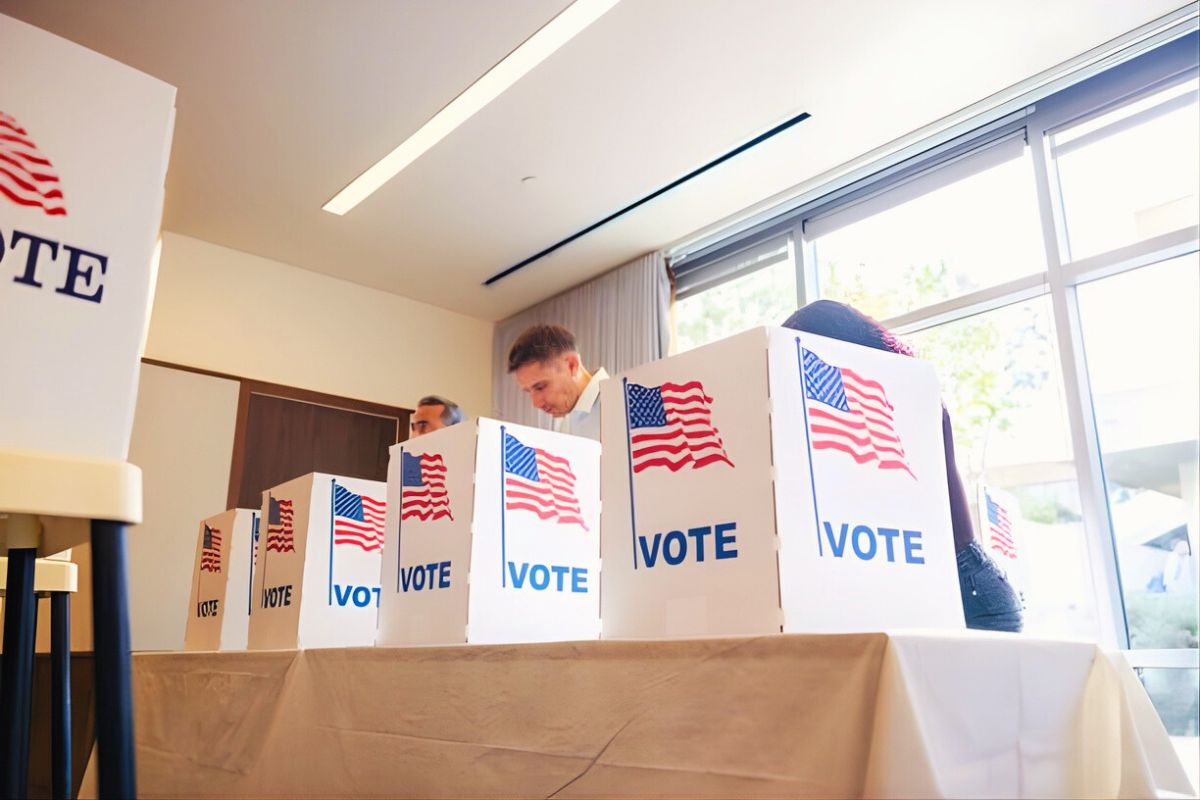
This isn’t a trend or a habit. It’s how the system was built.
The House of Representatives runs on two-year terms. That’s in the U.S. Constitution, and it’s the reason you see House elections constantly. Every seat comes back up fast on purpose, so the chamber stays close to public opinion. Or at least, it’s supposed to.
The schedule also isn’t random. Federal law establishes a single national Election Day for federal offices. It’s the Tuesday after the first Monday in November, and it comes around every even-numbered year. That’s why elections land in 2024, 2026, 2028, and so on. Same time of year, same basic timing, over and over.
So the pattern ends up feeling like a drumbeat:
A presidential election happens. Two years later, you get the midterms. Two years after that, another presidential election. Then repeat.
And yeah, there’s a point to that rhythm. It works like a built-in check. If people think the country’s heading the wrong way, they don’t have to sit on their hands for four years. They can change the House in two. Sometimes they can change the Senate too, depending on which seats are up that cycle.
It’s also why presidents care so much about midterms even though they aren’t on the ballot. A shift in Congress can turn the last half of a term into deal-making and damage control, instead of big new laws. That’s the practical effect most people actually feel.
What’s Up For Grabs In 2026
Start with the House. It’s the easiest to understand.
Every House seat. All 435.
Then the Senate. Roughly one third of it, because of that class system.
Add to that a bunch of state and local races, including governor races in many states. Those aren’t “about the president”, but they shape policy, lawsuits, and election rules in ways that echo into the next presidential cycle.
So when people ask, ‘Do midterm elections affect the president in 2026?’, it’s not theory. It’s the actual machinery of government moving under the president’s feet.
The Real Way Midterms Change A President’s Power
Congress Controls The Levers
Here’s what trips people up. A president can set the tone, give speeches, and throw out big promises. But Congress is the place where laws actually get written and passed. The president signs bills or vetoes them, sure. Still, if Congress doesn’t play along, nothing big happens.
Why The Majority Matters So Much
When the president’s party holds the House and the Senate, things move faster. Committee chairs cooperate. Votes get scheduled. Deals get made inside the same team.
But if the other party takes even one chamber, the whole pace changes. It’s less “What’s next?” and more “Prove it.” The president ends up negotiating for every inch.
The Oversight Side Nobody Loves
A midterm shift doesn’t just slow bills. It also turns up the scrutiny. Congress can call hearings, demand documents, and keep an administration tied up answering questions on live TV. That’s not drama. That’s part of the job description.
Appointments Get Stuck In The Mud
The Senate has to approve lots of major picks, including federal judges and top officials. When the Senate doesn’t want to help the president, it can drag its feet or flat out block nominees. That can leave positions empty or force the White House to pick safer, less controversial names.
So What Does A Midterm Loss Really Mean?
It usually means the second half of a term feels tighter. Fewer big wins. More time spent defending decisions. More energy is burnt on fights that don’t create anything new.
And yeah, that’s why people say midterms can reshape a presidency without ever changing who the president is.
What Happens When A President’s Party Loses Midterms
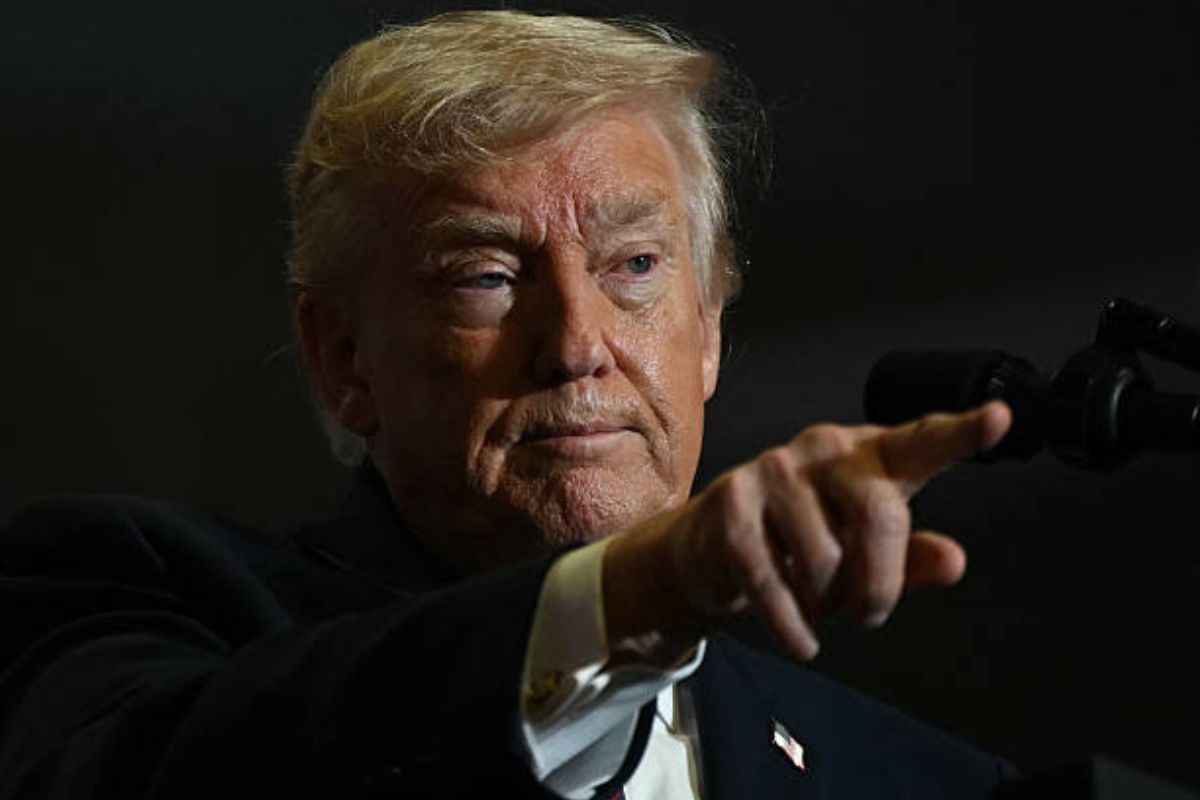
Look at history, and you’ll see a pattern that keeps recurring: the president’s party typically loses midterm seats.
Why? A couple of reasons, and none of them are particularly mysterious.
Turnout usually drops in midterms. The voters who turn out are typically older and more motivated. And the party that’s mad usually has more energy. Gallup has tracked this basic reality for decades, and their midterm history data shows how common it is for the president’s party to lose ground.
There’s also simple psychology. When life feels expensive, people blame whoever feels “in charge”. Even if Congress shares the power or the problem started earlier. That’s just how voters are.
On that note, an AP-NORC poll in December 2025 had Trump’s overall approval in the mid-30s, with economic approval lower, heading into the midterm year.
That doesn’t predict the election by itself, but it explains why both parties treat 2026 as a big deal.
The 2026 Dynamic: Why This One Feels Extra Tense
You can feel the temperature already.
Brookings argued in January 2026 that economic frustration and pessimism dragged down Trump’s approval in 2025 and could matter again as voters approach the midterms.
That’s the kind of pressure cooker that turns a normal midterm into a referendum. Not just on policy, but on mood. People vote with their wallets and their nerves, not just their party ID.
And because Congress controls what reaches the president’s desk, the stakes are real. A win for the president’s party makes the second half of the term easier. A loss can force a pivot into smaller goals, more executive actions, and more public fighting.
Honestly, you don’t need to be a political junkie to understand the vibe. It’s like trying to renovate a house while someone else controls the tools.
Frequently Asked Questions (FAQ)
Q1: Do Midterm Elections Directly Remove The President From Office?
No. Midterms don’t fire the president. They’re elections for Congress and, in many states, other offices. The only ways a president leaves early are resignation, death, or impeachment followed by conviction in the Senate.
Q2: Can Midterm Elections Change The President’s Party Control Of Congress?
Absolutely. That’s the whole point for most voters. If enough House seats flip, the House changes hands. If enough Senate seats flip, the Senate changes hands. And once that happens, the president usually has to bargain a lot more to get anything major done.
Q3: Why Do Presidents Often Lose Seats In Midterm Elections?
Because midterms tend to turn into a “how’s it going so far?” vote. People who are annoyed show up with extra energy. People who are satisfied often stay home. Turnout is usually lower than in a presidential year, too, which changes the mix of voters. Add in whatever issue is annoying everyone that year, and the president’s party can get clipped.
Q4: Are Governors Elected During Midterm Elections?
Yes, in many states. Not every state votes for governor in the same year, but midterms regularly include governor races, plus state legislators, attorneys general, and a bunch of other offices that matter in day-to-day life.
Q5: How Do Midterms Impact Future Presidential Elections?
They shape the next two years. They decide what laws can realistically pass, what gets blocked, and what fights take over the news cycle. They also shape party confidence and candidate momentum heading into the next presidential race, because wins and losses change who looks “strong” inside each party.
So, Do Midterm Elections Affect The President 2026?
Yeah, they do.
Not in a fireworks kind of way. More like someone quietly grabbing the wheel and changing the direction by a few degrees. You don’t notice it right away, then you look up and realize you’re nowhere near where you thought you’d be.
That’s what the 2026 midterms can do to a president.
The vote doesn’t put the president on the ballot. It doesn’t erase the last presidential election. But it can change who runs the House, who runs the Senate, and what actually happens to a president’s agenda once the speeches are over.
If Trump’s party holds the House and the Senate, passing big stuff stays possible. Not easy, but possible. Leaders can schedule votes, committees can move bills, and the White House can usually find a path forward if it has the votes.
If the other party takes even one chamber, everything gets harder. The House can stall bills by simply not bringing them up. The Senate can slow down confirmations or block them. Committees can call hearings, demand documents, and spend months digging into whatever they think matters. None of that removes a president by itself, but it can eat time, shift headlines, and push the White House into defense mode.
So here’s the simplest way to think about it, without turning it into a civics lecture. The presidential election picks the driver. Midterms decide if the driver gets open highway or bumper-to-bumper traffic.
Now be real for a second. When you hear “midterms”, do you still hear “boring”, or do you hear “this is where the rules start to bite”?
Sources & Inspiration
AP-NORC Center for Public Affairs Research (Dec 2025/Jan 2026)—President Trump’s approval rating entered 2026 at approximately 36% to 42%, with a significant “flip” in support among Independents and young adults since his inauguration.
Emerson College Polling (Jan 2026)–On the “Generic Congressional Ballot,” Democrats currently lead Republicans 44% to 42%, with 15% of voters still undecided.
Brookings Institution (January 15, 2026)—Senior Fellow William A. Galston argues that economic frustration—specifically regarding inflation and the 2025 tariff expansions—has weakened the GOP’s “structural alignment” heading into the midterms.
Gallup Historical Statistics–Since the Civil War, the President’s party has lost seats in the House 93% of the time and in the Senate 70% of the time.
The American Presidency Project (UC Santa Barbara)—In the 22 midterm elections between 1934 and 2018, the President’s party averaged a loss of 28 House seats and 4 Senate seats
The U.S. Constitution (Article I, Section 2)—”The House of Representatives shall be composed of Members chosen every second Year by the People…”
Ballotpedia: 2026 Election Overview—Confirms all 435 House districts and 33 regular Senate seats are up for election on November 3, 2026
Read Also: Top 10 World Leaders Who Changed Global Politics
Recommended