Let’s be real about what happens inside the body. It isn’t always some dramatic crisis. Most of the time, long-term health issues start with a quiet, persistent irritation. That is chronic inflammation. It sits in the background, out of sight, slowly driving problems like joint pain, heart disease, and type 2 diabetes.
But you don’t need to drink liquid grass or spend your life savings at a specialty grocery store to fix it. Reversing that internal heat comes down to clear, deliberate choices about what goes on your plate.
This guide walks through exactly how to follow an anti inflammatory diet step by step.
Step 1: Clear Out the Real Triggers
You can’t fix a problem if you keep adding fuel to it. The first practical step isn’t about buying expensive superfoods. It’s about doing a quick audit of what’s already sitting in your pantry.
Identifying the Trouble Foods
To give your body a break, you need to cut back on the items that actively trigger an immune response.
| Food Type | Why It Causes Problems | Better Everyday Swaps |
|---|---|---|
| Refined Carbs | White flour and pastries spike blood sugar quickly, leading to inflammatory spikes. | Steel-cut oats, quinoa, or wild rice. |
| Processed Meats | Bacon and sausages contain high levels of compounds that drive tissue damage. | Fresh wild salmon, chicken, or lentils. |
| Sugary Beverages | High-fructose corn syrup alters gut health and stresses the liver. | Seltzer with a squeeze of fresh lime or unsweetened tea. |
| Heavily Refined Oils | Corn and soybean oils contain high amounts of omega-6s, which promote inflammation when out of balance. |
|
Don’t panic about total perfection here. If you eat a slice of cake at a birthday party, it isn’t the end of the world. What matters is the routine you follow every day.
Step 2: Fill Your Plate with Plants
Once you have done away with all the junk, then your focus must be on adding the good foods. The rule to follow is that if it comes out of the soil, meaning it was grown in a field and looks bright and colorful, then you should add it to your daily food quota.
The Science of Color
Bright colors in your food indicate one thing: many antioxidants. These substances neutralize unstable molecules that can damage healthy cells.
Many long-established guidelines from Harvard Health Publishing suggest that some of the best tools for lowering these markers are leafy greens and berries.
- Dark leafy greens: Spinach, Swiss chard, and kale provide iron and vitamin E.
- Crunchy cruciferous veggies: These foods include broccoli, cauliflower and Brussels sprouts, containing the sulforaphane compound to help block inflammatory pathways
- Berries: Berries such as blueberries, blackberries, and strawberries are rich in antioxidants known as anthocyanins that protect the tissues from oxidative stress.
Step 3: Shift Your Fat Sources
The traditional notion that all fats were unhealthy has since been refuted. Healthy fats form the bedrock of any anti-inflammatory diet.
Balancing Your Omega Fats
Our modern diets are loaded with unhealthy omega-6 fats found in processed foods. For balance, it is important to consciously increase your intake of omega-3s.
- Healthy fish: Mackerel, sardines, and salmon provide a bounty of healthy fats. Aim for two servings per week.
- Plant-based options: If fish doesn’t appeal to you, walnuts, chia seeds, and fresh-ground flaxseeds contain alpha-linolenic acid (ALA).chronic inflammation
- Healthy oils: Stick with extra virgin olive oil in your cooking routine due to its oleocanthal content. Oleocanthal functions similar to over-the-counter anti-inflammatories.
The old idea that all dietary fat is bad has been thoroughly debunked. Healthy fats are actually the foundational core of an anti-inflammatory diet.
Step 4: Use Spices Strategically
Healthy food doesn’t have to be bland. In fact, some of the most potent tools for reducing physical irritation are already sitting in your spice rack.
The Power of Turmeric and Ginger
Turmeric contains curcumin, which has been shown to reduce joint discomfort. Clinical insights from the Mayo Clinic show that curcumin directly inhibits the proteins that cause swelling.
A quick tip: Curcumin isn’t easily absorbed by the body on its own. To fix this issue, always combine turmeric with a pinch of black pepper. The piperine in black pepper increases curcumin absorption by up to 2,000%.
Ginger is another excellent option. Grate it fresh into stir-fries, or steep it in hot water for a calming tea that supports digestion.
Step 5: Build a Balanced Plate
You don’t need to count calories or weigh your food to make this work. Just use a simple visual guide every time you sit down to eat.
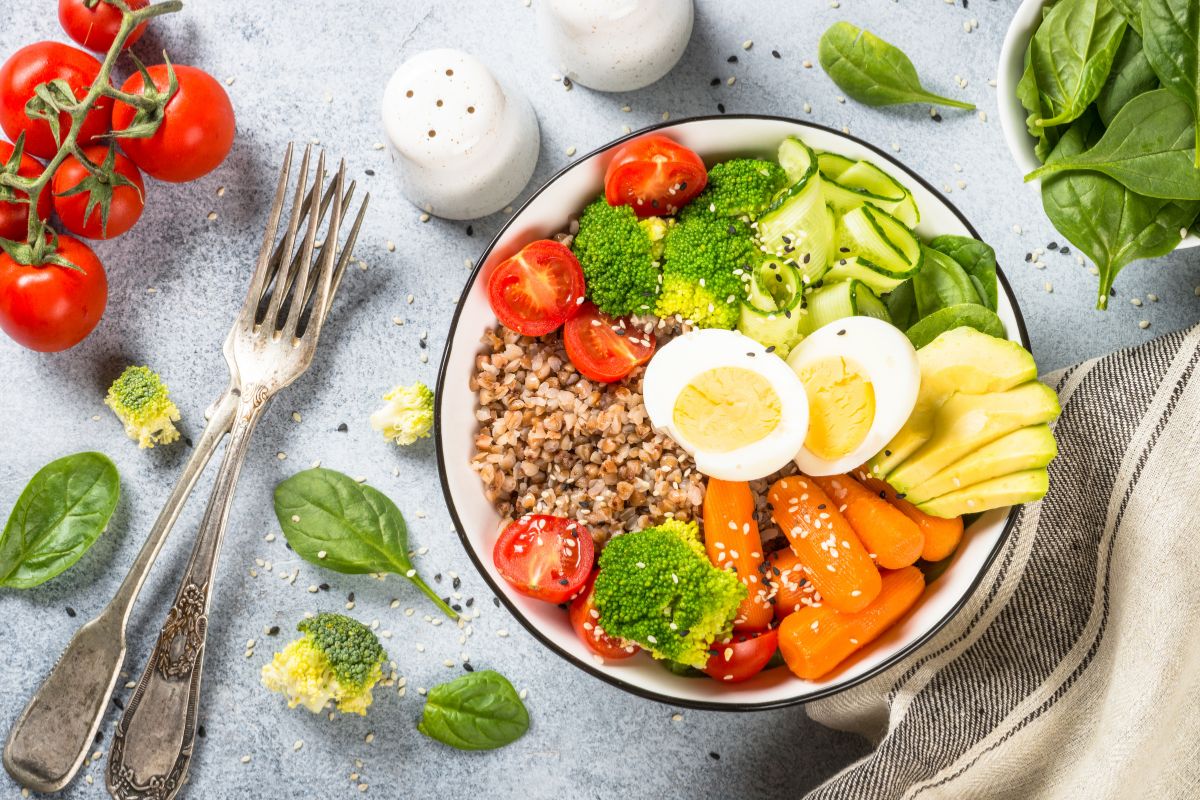
- 50% Colorful Vegetables (such as spinach, broccoli, and peppers)
- 25% Quality Protein (such as wild salmon or beans)
- 25% Whole Grains (such as quinoa or brown rice)
A Simple One-Day Meal Plan
But this is what it looks like to eat that way without hours of cooking:
- Breakfast: A warm bowl of oatmeal that has blueberries and walnuts sprinkled with cinnamon.
- Lunch: Mixed greens with grilled chicken, half an avocado (sliced), diced tomatoes, and a drizzle of olive oil & vinegar.
- Snack: A handful of almonds + 1 small apple.
- Dinner: baked salmon, roasted asparagus, and quinoa flavored with garlic and turmeric.
This dish is easy, filling, and simple to make with ingredients that you would get from any general grocery store.
Step 6: Focus on Consistency, Not Perfection
Diets don’t work when they are too restrictive. If it seems like a chore, you won’t stick to the plan. The secret to making an anti-inflammatory diet work long-term is to think of it as a lifestyle, not a temporary challenge.
Small Changes, Big Impact!
Please don’t try to change everything at once. If you can’t give up your afternoon soda, try half a can. If you don’t have time to cook every night, make a big batch of roasted veggies and brown rice on Sunday so you have it ready to go.
And don’t forget, food is only part of the story. Getting enough sleep, staying active, and managing your stress each day are just as important to keeping your immune system balanced.
Frequently Asked Questions
How soon will I notice a change?
In general, it takes between three and six weeks to feel a shift in energy levels, digestive health, or joint comfort. Even when the body has stopped sending inflammatory signals and is beginning to replenish itself, this process will not have been completed for quite some time.
Do I have to stop eating meat entirely?
No. This pattern is heavily plant-based, but you do not need to go vegetarian. Go for better protein sources—wild-caught fish and chicken are the best options on a daily basis; red meat occasionally.
Is coffee anti-inflammatory?
Yes. Coffee has polyphenols and other therapeutic substances. But just be careful with what you put in it. But that was quickly undone by the copious spoonfuls of sugar and high-fat artificial creamers!
Are nightshade vegetables bad for inflammation?
Many people have been told that foods such as tomatoes, potatoes, or eggplants make arthritis worse. Although there is no sound scientific basis to support this claim. Another food that is high in anti-inflammatories is tomatoes because of their lycopene content.
Can kids follow this eating plan?
Absolutely. This diet emphasizes whole foods, fresh fruits and vegetables, and healthy fats, making it safe and extremely nutritious for people of all ages.
Disclaimer: All information is based on established guidelines from major health institutions and research available as of 2026. Results from dietary changes vary from person to person. Consult your doctor before making significant changes to your eating habits, especially if you have any medical conditions.
Sources and References
- Harvard Health Publishing: Foods that fight inflammation
- Cleveland Clinic: Anti-Inflammatory Diet Guide
- Mayo Clinic: Anti-inflammatory diet – What to eat and why
- Healthline: Anti-Inflammatory Diet 101
- EatingWell: 7-Day Anti-Inflammatory Meal Plan
Recommended