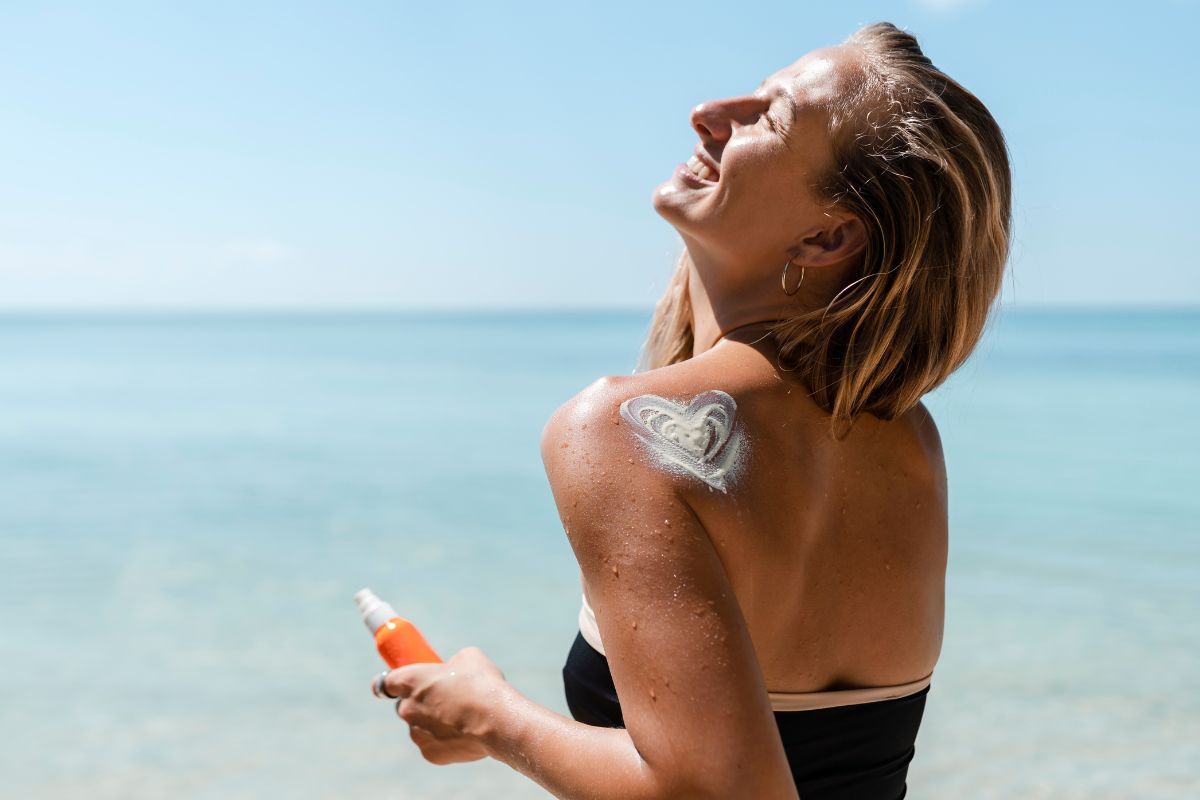
There’s a strange, stubborn idea that has been floating around that sunscreen is an enemy of a good tan. People believe that if they put on SPF 30, it may as well be in a dark basement. But listen, this simply isn’t how skin operates. In fact, if anyone is still trying to get tan in 2026 by frying themselves into a crispy crisp, they’re doing it the hard way.
The smartest approach to a bronzed look that lasts—and skips the “lobster” stage—is strategically applying protection. By allowing only small amounts of the sun’s light to penetrate, skin can darken at a rate that it is actually able to tolerate. It’s all about the long-term strategy.
Key Takeaways for the 2026 Sun Season
- The 3% Rule: An SPF 30 sunscreen still lets about 3% of UVB rays hit the skin. That is plenty to kickstart melanin without causing a medical emergency.
- Melanin vs. Inflammation: A real tan is a slow build of pigment. A burn is just an injury. Sunscreen helps you get the former while avoiding the latter.
- The “Internal” Glow: 2026 trends are all about “eating your SPF.” Loading up on antioxidants like lycopene can help the skin handle UV stress better.
- Timing is Everything: The sun between 10 AM and 4 PM is a beast. Catching rays in the late afternoon is much easier on the DNA.
- Hydration is the Secret: A tan only looks as good as the skin it sits on. If the skin is dry, the tan looks like old leather.
Can You Actually Tan While Wearing Sunscreen?
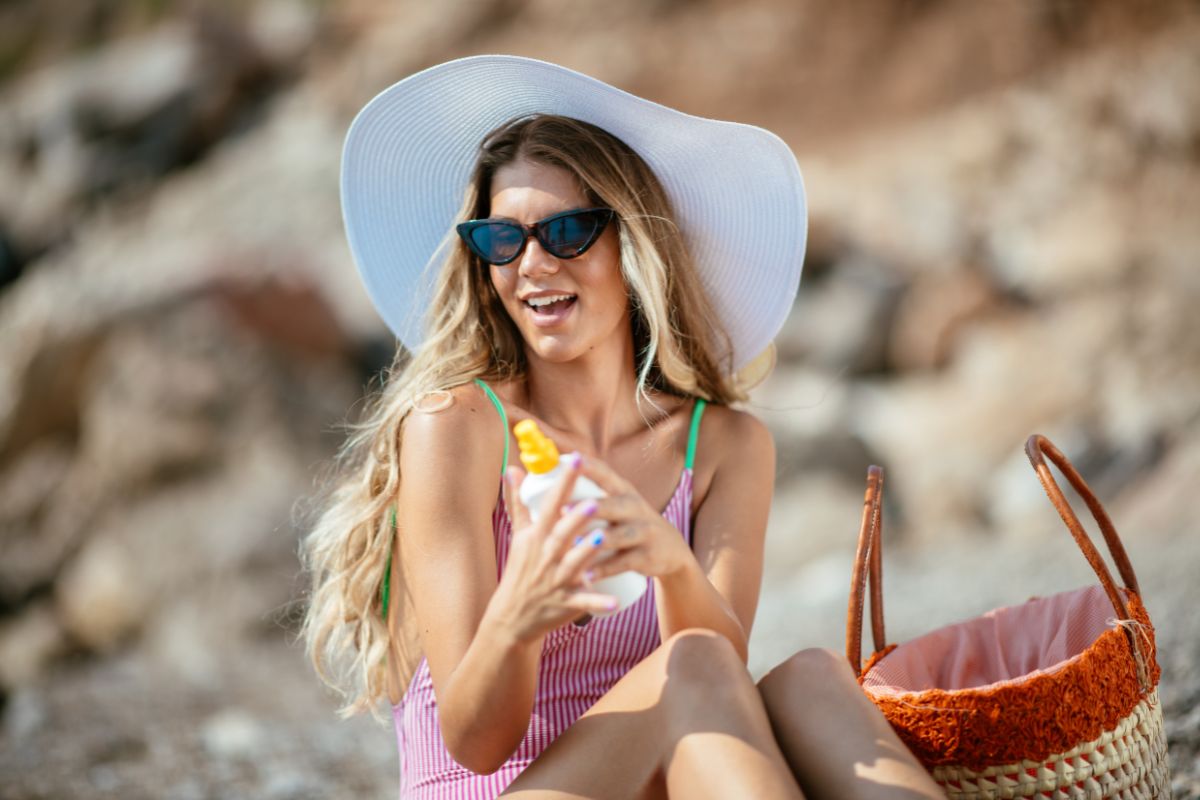
Yeah, you absolutely can. Here is the thing: no sunscreen is a 100% force field. Even if someone uses the heavy-duty SPF 50 stuff, about 2% of those UVB rays are still getting through to the skin. As reported by the American Academy of Dermatology (AAD), sunscreen is designed to prevent the skin from burning, not to stop it from ever changing color.
When those few rays hit the skin, they tell the melanocytes—the cells that make pigment—to get to work. Having filtered out the “trash” rays that cause immediate redness and peeling, the tan grows deep and even. It’s like a slow cooker versus a microwave kind of situation. The microwave (no SPF) effectively ruins the exterior. The slow-cooker (with SPF) produces a result that at least has some depth.
Also read: 25 Smart Ways to Relax at Home with the Best Staycation Ideas in 2026
Suntan With Sunscreen: How to Get a Safe and Natural Glow
If the goal is to walk away from a weekend looking like a summer postcard, there is a specific way to play it. It is not just about rubbing some lotion on and hoping for the best.
The “Pre-Game” Application
Most people don’t reach for a bottle until they’re feeling the heat on their shoulder. By then, it’s too late. The skin is already reacting to the damage. The real trick is to put the first coat of SPF 30 on at least 20 minutes before you even step outside. That allows the filters to settle into all of the skin’s nooks and crannies. Once you reach the beach or park, don another layer. This “double layer” technique fills in the gaps that most people miss, like the edges of the ears or the tops of the feet.
Glow-Focused SPF Formulas
In 2026, sunscreen has basically become high-end skincare. Right now, the “glowy” SPF is huge. Brands are loading their formulas with light-reflecting minerals like mica and skincare heavy-hitters like niacinamide.
The product does double duty: it provides an immediate gleam, so the skin looks good in all that sun, and it prevents the heat from wrecking the skin barrier. As reported by Spate’s 2026 US Sun Care Report, consumers are no longer choosing between protection and a “finish.” They want both.
The “Base Tan” Myth and Other Red Flags
So listen, the “base tan” myth is one of the most dangerous myths to still be hanging around. People believe if they get a little bit of a tan to begin with, they won’t burn later. In reality, a base tan offers only natural protection of roughly SPF 3. That is basically nothing. It is like attempting to stop a bullet with a paper towel.
Tanning oils are another trap. If you cannot spot any clear, high SPF rating, it’s basically frying oil. Using those will lead to skin that resembles a wrinkled handbag by 2030. Limit yourself to creams and sprays that even provide their protection levels.
Also read: Stop Calling TikTok Social Media: Why It’s Now the Biggest Name in Entertainment
Nutrition and the “Internal” SPF Trend
A unique angle that has taken over the US wellness scene lately is the idea of “internal sun protection.” It sounds a bit “woo-woo,” but there is actual science behind it. Eating foods rich in lycopene—think cooked tomatoes or watermelon—helps the skin defend itself against the oxidative stress caused by the sun.
Again, this doesn’t mean skipping the lotion. But it does mean that a body fueled by antioxidants handles the sun better. As reported by researchers at the University of Cincinnati, the trend in 2026 is moving back to these basic, biological supports. It gives the tan a more vibrant, golden hue instead of that dull, “cooked” look.
Top 2026 Sunscreen Picks for a Better Glow
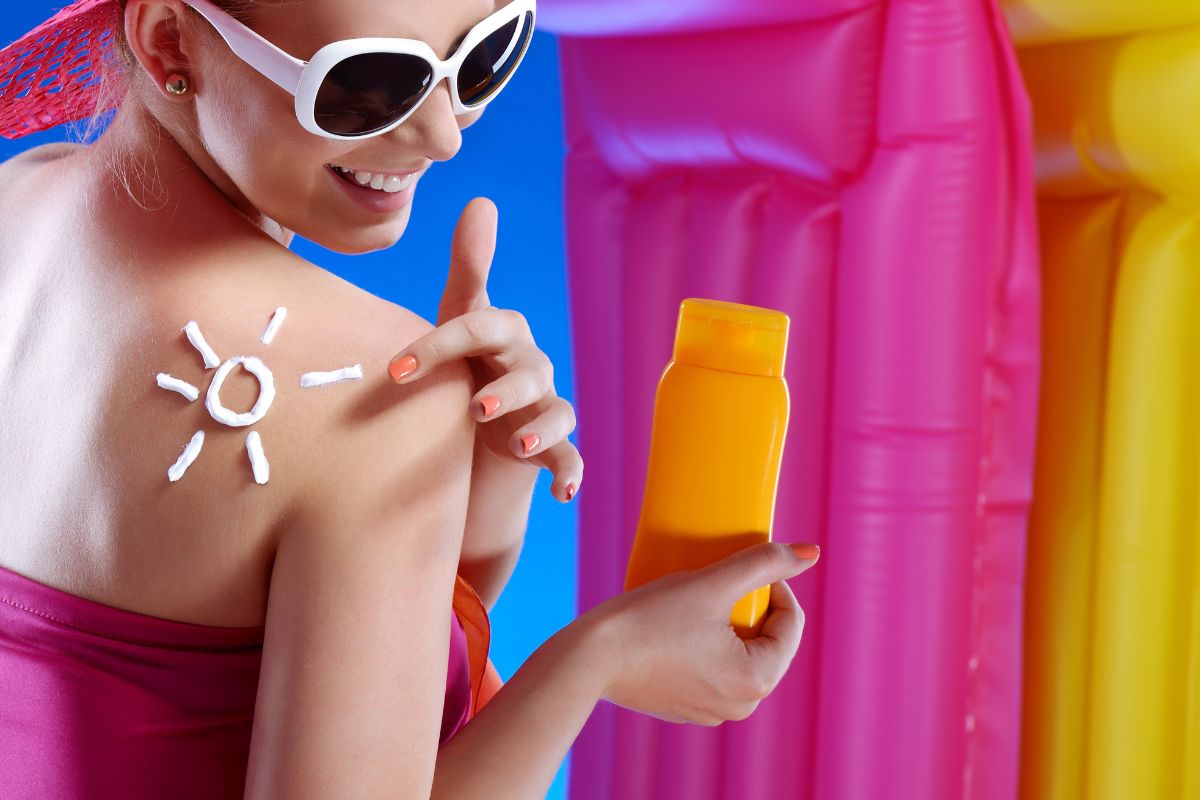
Not all sunscreens are created equal when the goal is a tan. Here is what is currently trending on the American market:
- Best Overall Protection: EltaMD UV Sheer SPF 50+. It is a favorite among US dermatologists because it is lightweight and leaves zero white cast, allowing the natural tan to shine through.
- The “Instant Glow” Pick: Vacation Classic Whip SPF 30. This one went viral because it looks like whipped cream and leaves the skin looking incredibly radiant the second it goes on.
- Best for the Face: La Roche-Posay Anthelios AOX Serum. This product is a hybrid that acts like an antioxidant serum but packs a punch with SPF 50. It prevents the “muddy” hyperpigmentation that can ruin a face tan.
- Best Budget Option: Sun Bum Original SPF 30. A staple in every beach bag for a reason. It smells like a classic summer and blends into the skin without feeling like a grease trap.
Common Questions About Tanning with SPF
Can I tan through SPF 50?
Yes. Even SPF 50 lets through about 2% of UV. Results will take longer, of course, but the tan will be far more even and won’t involve a painful burn.
How often should I reapply if I want to tan?
Every 2 hours, or immediately after swimming or sweating. And if the sunscreen wears off, you aren’t “tanning faster,” you’re just burning. A burn will peel off in three days, taking your tan with it.
Does after-sun lotion really help?
Absolutely. A tan is basically a layer of pigmented, somewhat burnt skin. And if that skin dries out too much, it flakes off. Applying an antioxidant-rich lotion – containing aloe vera or green tea – after a day in the sun is like insurance for your glow.
What is the best time of day to tan?
Late afternoon is best. The UV index tends to drop rather significantly after 4 PM, but there is still enough light to initiate production of the skin pigment melanin without the harsh heat that can cause sun stroke or burns.
How long should I stay in the sun to tan?
Start with 15 to 20 minutes. All it takes for the skin to trigger that tanning action. Thereafter, seek shade. You don’t need four hours to get a tan; you just need consistent, short bursts over several days.
Does SPF 50 stop me from tanning?
No, it just slows it down. But that is a good thing! A slow tan is a deep tan. If you wear SPF 50, you likely won’t notice anything on day one, but by about day five you’ll have a glow that isn’t accompanied by pain.
The Final Word for a Sun-Kissed 2026
The truth of 2026 is that we know too much to bake in the sun like it’s 1985. We know that every burn counts, and skin cancer is the most common cancer in the United States. But we also know that folks like how they look with a bit of color.
The trade-off is straightforward: wear the sunscreen. Use the high SPF. Let the tan come to you slowly. And by safeguarding the skin itself, you ensure that the tan you get is one that you will love to have and not the kind of tan you have to hide under long sleeves because moving hurts. Anyway, the idea is to look like you’ve just returned from a vacation, not that you spent it on the surface of the sun.
So, pick up the bottle, throw on the shades and relax. A good glow is worth the wait.
Sources and References
- American Academy of Dermatology: Sunscreen FAQs and Tanning Myths
- UPMC MyHealth: Tanning Myths and Facts for 2026
- Spate NYC: US Sun Care and Tanning Market Trends 2026
- American Skin Association: Sun Safety and UV Protection Guidelines
- MD Anderson: 6 Myths About Tanning Safety
Recommended